The leaders who drive meaningful change don’t project certainty. They start with a powerful vision, commit fully to the work, and adapt as the goalposts move. The leaders who navigate this best often learned to do it long before they ever stepped into a boardroom.
They learned it playing as kids.
THE TROPHY NO ONE MENTIONED
A few winters ago, I dropped my five-year-old daughter off for her first day of ski school. She was the youngest in the group, struggling even on the bunny slope. By lunchtime, her instructor warned me that she might not be ready, and I had a knot in my stomach.
I skied by the group to casually see how it was going. She spotted me immediately, lifted her goggles, and I could see her eyes welling up. That look—the one that says this is harder than I thought and I don’t know if I can do it—is one every parent knows.
We got home and my daughter burst into tears. I took a breath. I was about to tell her she could try again next year. She beat me to it.
Through tears, with complete conviction, she said: I’m going to go back there, and at the end of the season, I’m going to win the trophy. I asked what trophy, and she didn’t know. It was an aspiration that made the challenge seem real.
There was a real chance she’d get cut the next day. But I had to let her try. It felt worth the risk.
Ten weeks later, she had put in the work and won the trophy.
WHAT PLAY TEACHES
What my daughter did wasn’t about a trophy, it was about setting a goal She was also learning that the most powerful goals aren’t finish lines; they’re starting points. She had to imagine it was possible, learn how to do something hard, and stay with it. That’s how confidence gets built.
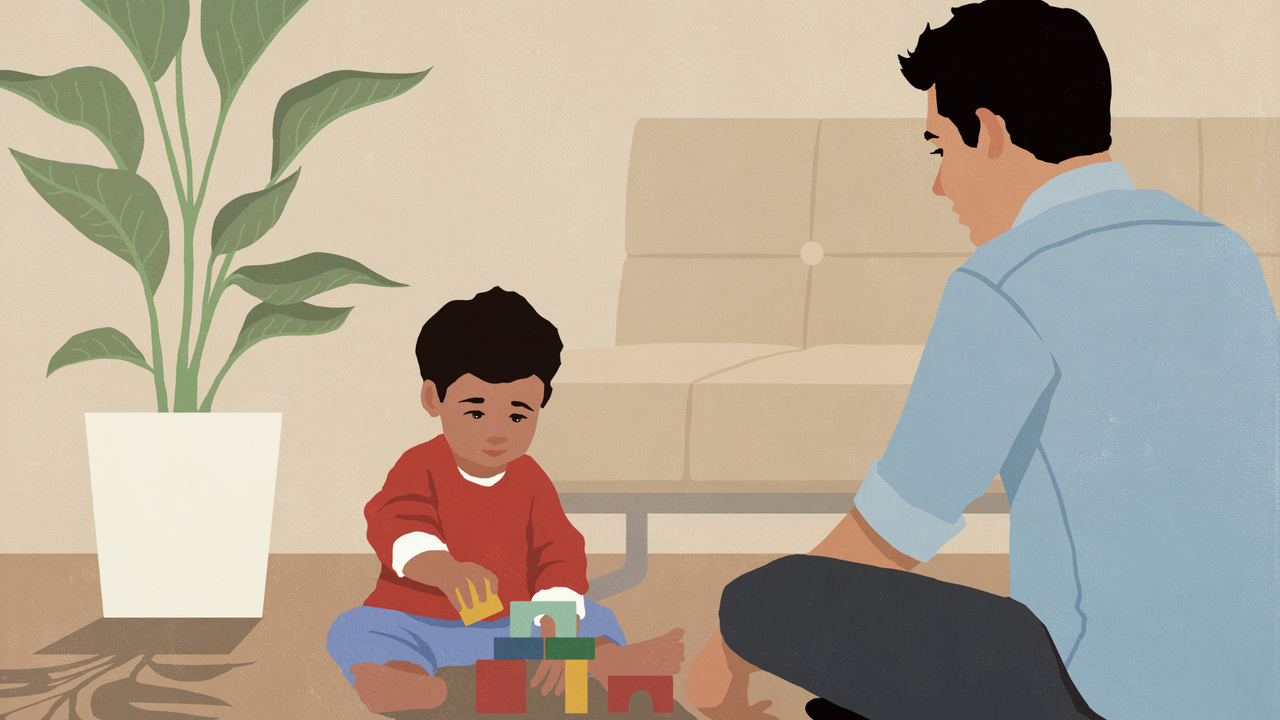
Play is where children first practice these skills. Through sports, games, and imaginative play, they cultivate creative thinking. They also cultivate problem-solving, empathy, perseverance, and collaboration—qualities that are indispensable for success in adulthood. They don’t arrive fully formed in a corporate training program. As the world of work changes, those deeply human skills may matter more than ever.
Children have a remarkable, universal instinct to play and to process. They push and they try again. I’ve seen this firsthand. At UNICEF we know play can’t wait because it is fundamental to how children learn, adapt, and build resilience. For children in conflict zones, natural disasters, and under-resourced communities, access to play can provide stability. It can also provide belonging and the confidence to imagine something beyond their current circumstances.
Play is not just relevant to childhood. It shapes the kind of resilient, creative, and adaptable leaders the next generation will become.
THE GOALPOST THAT MATTERS
My daughter has that trophy photo. She looks, understandably, like she owns the mountain.
But what she really came away with that season was something harder to capture in a photograph: the experience of setting an aspiration, struggling through uncertainty, and discovering she could handle more than she thought. The trophy was simply the marker.
When the goalposts keep moving and certainty is increasingly rare, the leaders who thrive rarely have all the answers upfront. They are willing to dream and try. To adapt and then dream again.
Those are not skills most people first learn at work. They often begin much earlier through play.
The best leaders I know never stop playing. Every child deserves that start.
Michele Walsh is executive vice president and chief philanthropy officer of UNICEF USA.