Rob Waters
- Rob Waters was laid off from Google, then offered a new six-figure role there.
- He turned down the offer, walking away from six figures’ worth of unvested equity.
- Waters moved to San Francisco and is living off savings while building his AI startup.
This as-told-to essay is based on a conversation with Rob Waters, a former Google employee who was laid off last November. The 42-year-old cofounded Kanawai AI and lives in San Francisco. The following has been edited for length and clarity.
In November 2025, I was on a flight to Los Angeles to meet with a customer when my laptop screen suddenly went black.
My laptop rebooted, but when I tried to log back in, it didn’t work. Then I felt my personal phone buzz. I had an email from Google HR saying I’d been impacted by a layoff and my role was no longer necessary. I had no notice. My access was cut off immediately.
I had to email the customer I was flying to meet from my personal account and cancel our meeting. The timing felt like something out of a movie — like I couldn’t make it up.
I’d spent nearly six years at Google. Working there had been a dream of mine, and by the end, I was leading the data analytics and AI sales specialist team for Google Public Sector.
Now, suddenly, it was over.
I had a chance to return to Google
I landed in Los Angeles around 12:30 in the morning. Before going to sleep, I checked my phone and saw an email from my manager setting up a call for 8:30 a.m. Eastern time.
That meant getting up around 5:30 a.m. on the West Coast. I got about two hours of sleep.
During the meeting, I was informed about a position on a new team Google was creating, and I was encouraged to apply once the opening became available.
In early December, Google offered me the role with a six-figure salary. Accepting the offer would have meant returning to the financial security I’d had at Google and allowing my stock to continue vesting. I estimated that turning it down meant walking away from about six figures of equity. I also had my wife and son to think about, which made the decision harder.
But the way my time at Google had ended changed how I felt about going back.
I’d grown frustrated with some of the bureaucracy within the company and how the reorganization was being handled. I’d also been working incredibly hard and dedicating myself to the job. After putting so much into my work, I felt like all I had to show for it was getting laid off.
Starting my own company had been a goal of mine for a long time, but walking away from a comfortable corporate job had always been difficult. The layoff ripped the Band-Aid off. I could return to Google and restart the cycle of a high salary and equity vesting, or I could see this as my opportunity to finally pursue my startup dreams. I looked at it as now or never.
Ultimately, I decided not to accept the offer. It was time to bet on myself.
I moved across the country to bet on my startup
I didn’t start actively developing my startup until January, after my ties with Google had ended. I wanted to avoid any potential legal issues.
A few months later, a former colleague of mine left Google, and we began working together on a business idea that became Kanawai AI. We’re building an AI system of record, where one platform provides AI visibility, governance, and security primarily for commercial and enterprise customers.
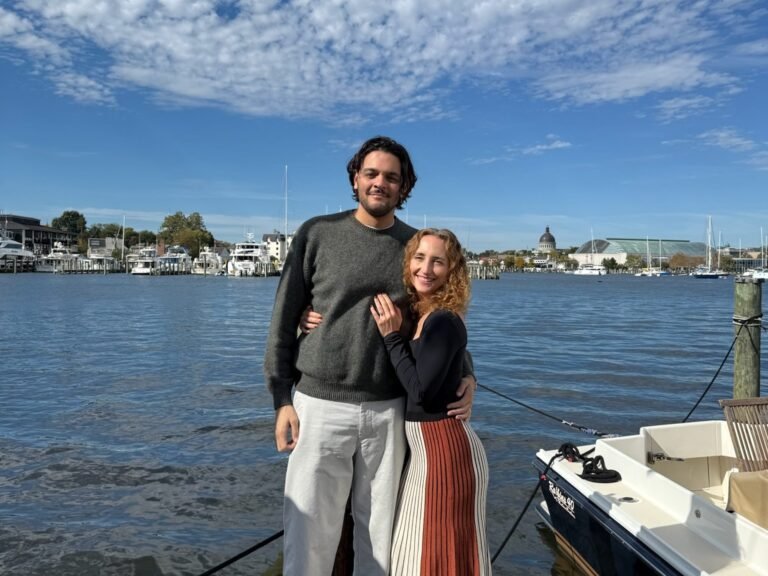
Rob Waters
For the first six months of 2026, I traveled regularly between my home in Virginia and California. Being in California gave me greater access to other founders, builders, venture capital, and the startup ecosystem. Eventually, I decided to relocate to help accelerate the business.
On July 1, I moved across the country to San Francisco.
I left behind nearly all of my belongings. I arrived in San Francisco with two suitcases and a case of computer equipment. Finding a place wasn’t easy. Because I had no income and was living off my savings, I didn’t qualify for some apartments. But I eventually signed a lease on a two-bedroom apartment.
Earlier this month, about two months after I first moved, my wife and son joined me in San Francisco. The move — and putting my Virginia house up for sale — was part of betting on myself and the company.
You have to be a little bit delusional as a startup founder
Going from making six figures at Google to zero as an entrepreneur was a very hard pill to swallow. Since leaving Google, I have been living off my savings and haven’t taken a salary.
The joke is that you have to be a little bit delusional as a startup founder. But I saw my situation as now-or-never. I’m not the stereotypical 22-year-old Stanford founder, but I have years of experience working with AI and data, including in challenging environments. I believe that experience can help me now.
We’re still in the early stages of the business, but we’re already onboarding clients to our platform, partnering with bigger technology vendors, and starting our pre-seed raise in San Francisco.
My biggest career advice for other tech professionals is to never get too comfortable. Being uncomfortable can mean pursuing a certification, a promotion, changing companies, or making a drastic career pivot. Only you know what that next uncomfortable move is.
I’d long dreamed of doing two things: working at Google and starting my own company. I got to spend nearly six years living out the first dream. Now I’m betting on the second.
Nothing is guaranteed, especially in Silicon Valley. But getting the chance to pursue both of my biggest dreams is what makes this all worth it.
Do you have a story to share? Reach out to the reporter via email at jzinkula@businessinsider.com, or via Signal at jzinkula.29.