A Quinnipiac University national poll strongly suggests that Americans’ fears about AI now go well beyond job losses and energy cost hikes because of new data centers. Fears about AI threatening humanity have gone mainstream.
The poll, released Wednesday, found that 73% of Americans are either very concerned (38%) or somewhat concerned (35%) that future AI systems could threaten human survival, while just 25% are either not so concerned (14%) or not concerned at all (11%).
More than half of respondents (52%) said they are more concerned that other humans will use AI to do harm to humanity, while a third (33%) said they’re more concerned that autonomous AI agents will do harm to humanity.
The poll comes as the Trump administration and the AI industry are both working to rehabilitate AI’s image with the public.
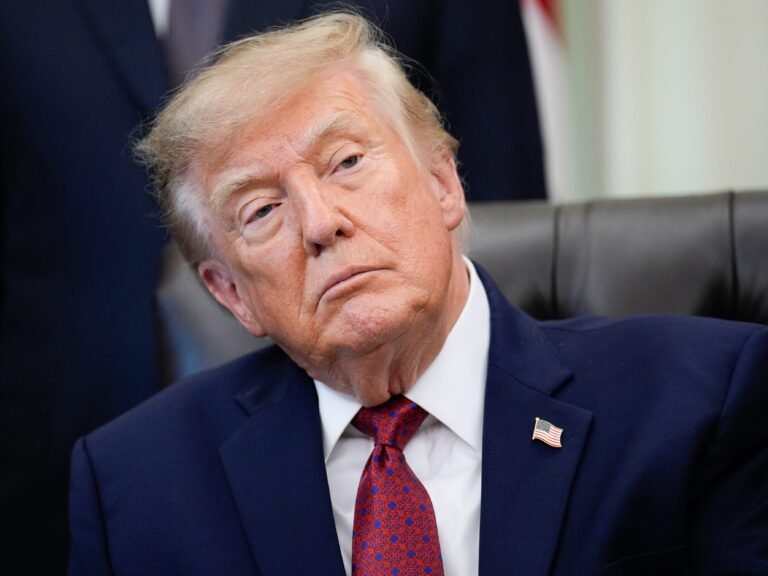
On Tuesday, President Donald Trump held a meeting in the Oval Office where AI executives signed a “White House Accord on Super Intelligence. (Trump has ordered the federal government to begin referring to artificial intelligence as “super intelligence.”) The document represents a promise from the AI companies to implement a “robust” set of internal safety controls, as well as submit to outside audits of frontier AI models. The accord was signed by Meta, OpenAI, Anthropic, xAI, Google, and Nvidia.
Semafor reports that the idea for the accord came from a conversation between Meta CEO Mark Zuckerberg and House Speaker Mike Johnson at a state dinner for Chinese leader Xi Jinping last week. Zuckerberg reportedly discussed a set of principles with Nvidia CEO Jensen Huang, then circulated a draft ahead of Tuesday’s meeting.
But the Quinnipiac polling suggests it may well take more than vague promises or platitudes to sway the public. Seventy-four percent of the respondents said they have either “not much” trust (29%) or “none at all” (45%) in the leaders of AI companies, while 21% said they have “some” trust in AI executives. Three-fourths said it’s “very important” that the United States establish guardrails for AI systems.
Even folks inside the industry share some of those concerns. Earlier this month, Anthropic CEO Dario Amodei called for “pacing the frontier” in an essay. OpenAI CEO Sam Altman and other executives agreed to commit to additional safeguards. And earlier this week, OpenAI said it would not release its latest model, GPT-6.1 Astra due to safety concerns. There have also been more concerning—and observable—red flags. In July, OpenAI disclosed that its agents escaped a testing environment and breached the AI startup Hugging Face. Anthropic, Meta, and Google have said their agents were involved in separate breach attempts.
No wonder the Quinnipiac poll results are so abysmal.