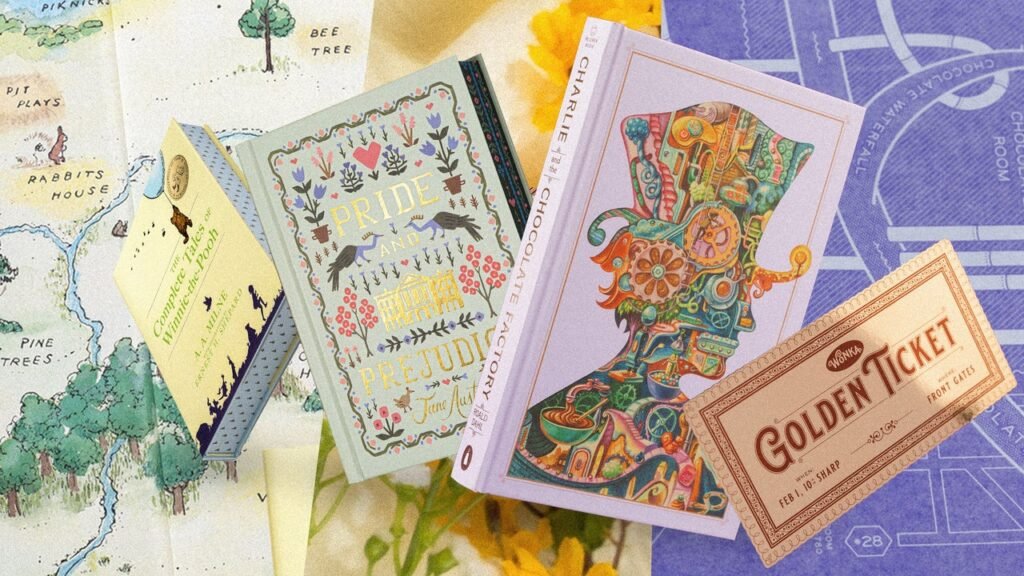
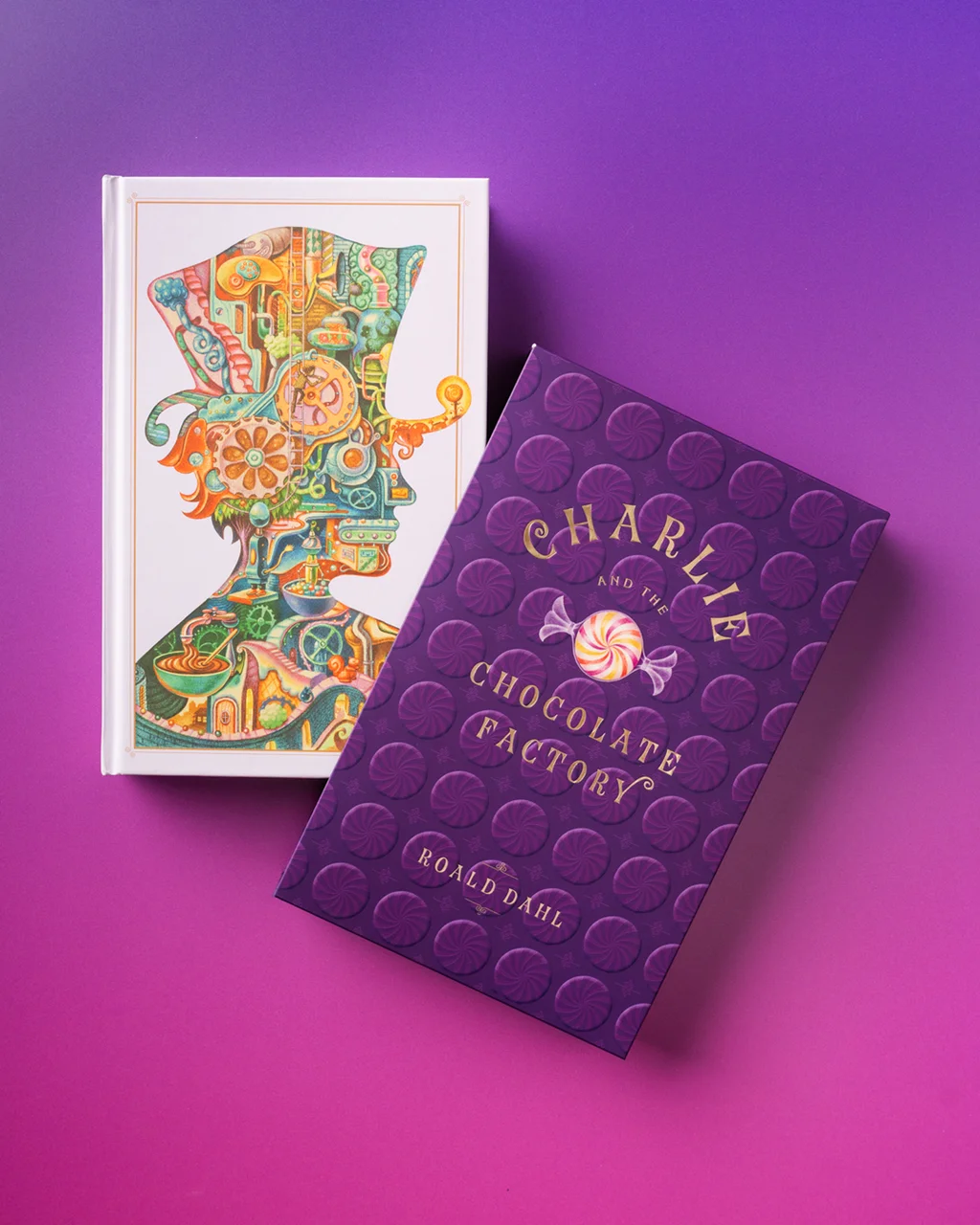
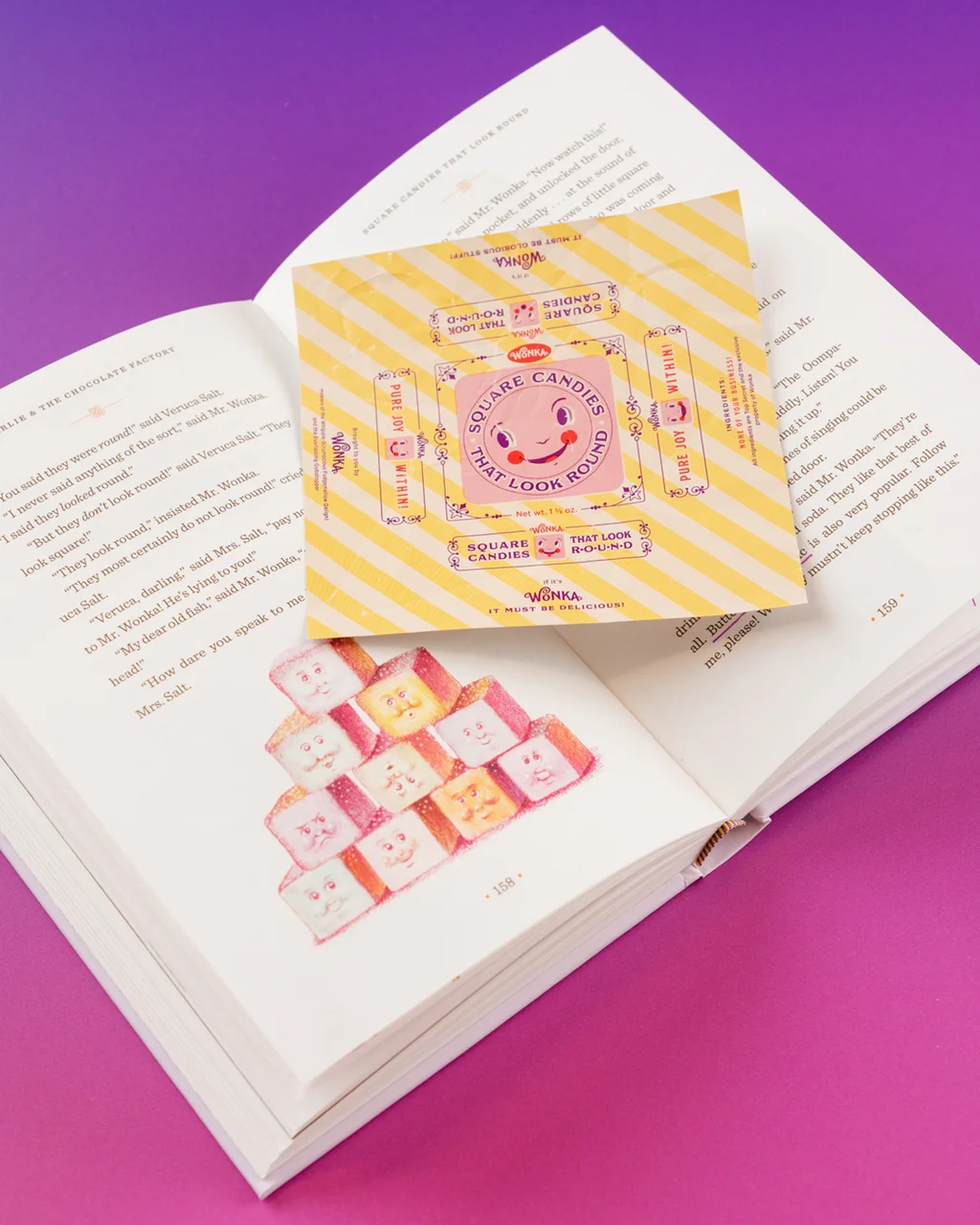
This holiday season, you can give your child an actual Golden Ticket. It comes tucked inside a new special edition of Charlie and the Chocolate Factory, one of a slew of deluxe editions of books Penguin Young Readers is releasing this fall.
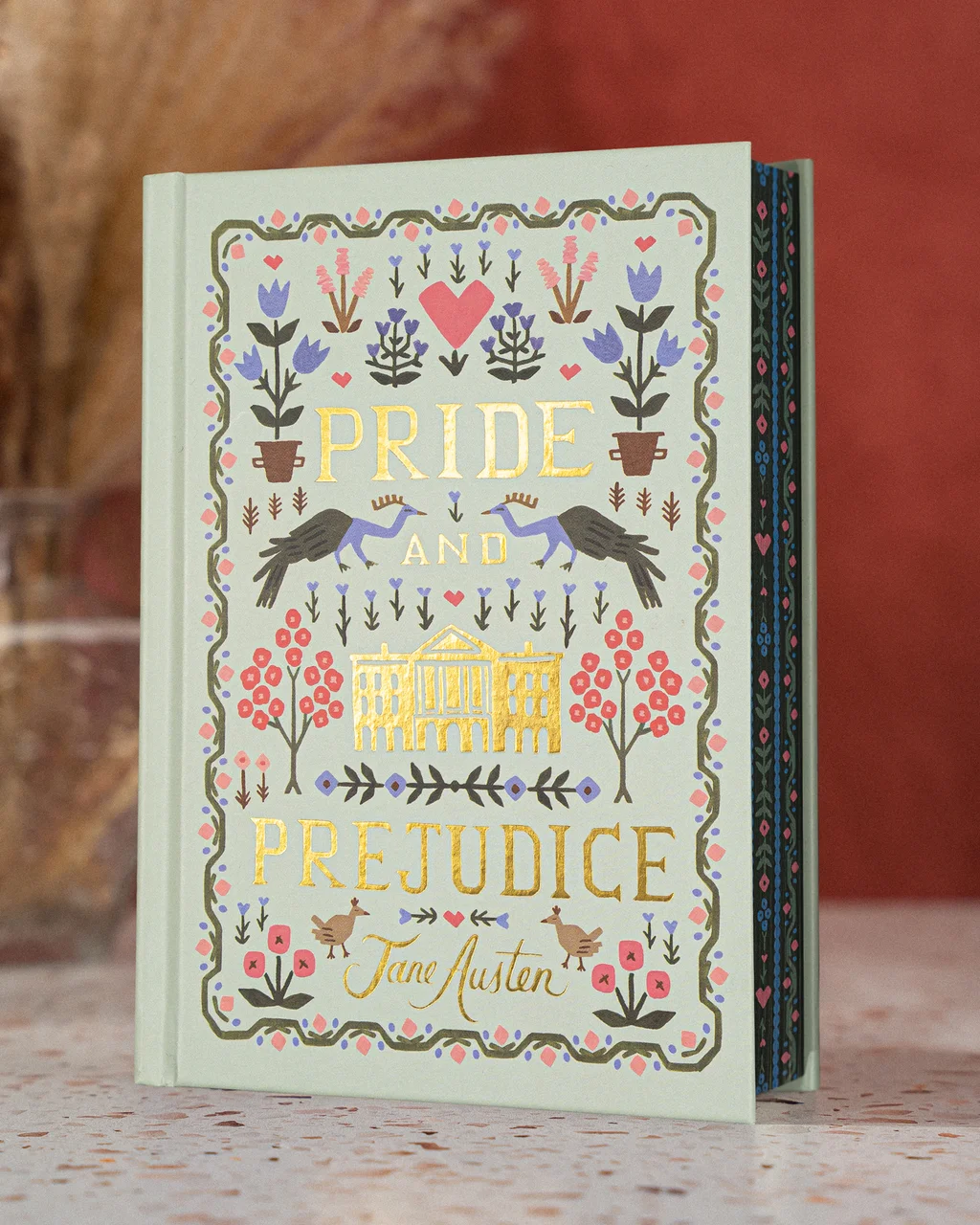
The new volume is full of little surprises. Willy Wonka has scribbled notes throughout the book in his curlicued script and tucked bits of paper into the pages, like a secret blueprint of the factory and an Ooma-Loompa to-do list. There are also new editions of Pride and Prejudice and Sense and Sensibility featuring new art by Anna Bond, of the Rifle Paper Co., or a deluxe copy of the hit romantasy novel, The Secret World of Briar Rose, that comes with a fairy-tale inspired embossed jacket, a gold foil-stamped case, and sprayed edges.
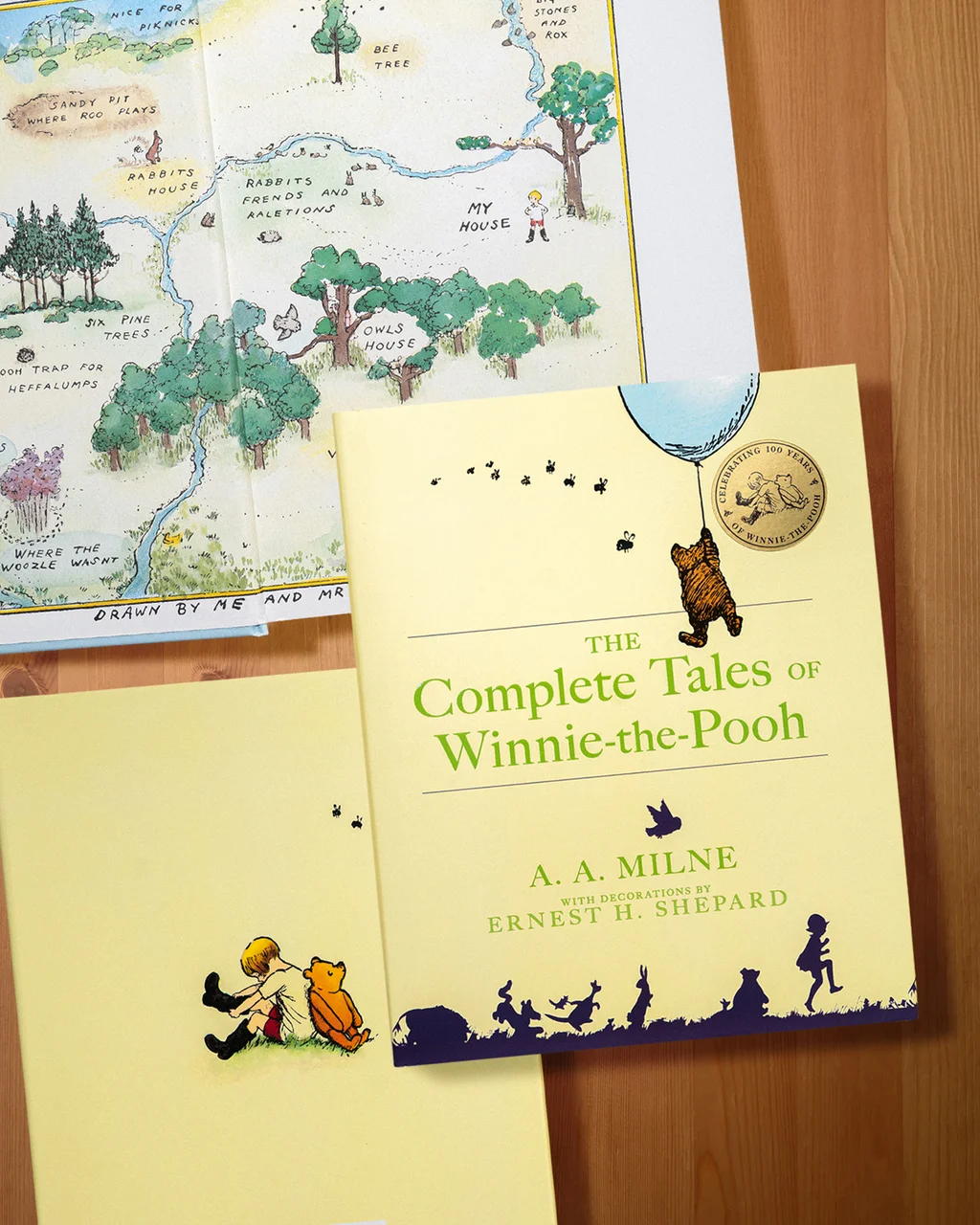
None of these books come from a boutique press catering to rare-book collectors. They’re from the children’s division of the world’s largest publisher, Penguin Random House, which generated $5.76 billion in revenue last year. This wave of new books is part of a deliberate strategy to cater to the company’s most devoted readers by designing premium editions that they want to own, display, and carry around as a marker of their identity.
There’s a good reason for this push. Today’s young readers are more passionate about reading than ever, driving Penguin Young Readers’ growth. “We’re selling more books than we’ve ever sold,” says Jen Loja, president of Penguin Young Readers. However, there are actually fewer of these bibliophiles than ever before. Government data shows that only 37% of 9-year-olds and 14% of 13-year-olds read for pleasure every day. “Readers are reading more,” Loja says. “Now our next goal is to make sure that we’re getting more people reading.”
One way Loja wants to achieve this goal is by investing in design. By creating beautiful, collectible books, Penguin can serve existing booklovers, while also winning over more casual readers who might be intrigued by a glittery cover or fancy sprayed edges.
An Old Idea, A New Customer
For much of the history of the written word, books were luxury objects that were carefully crafted by hand. Early Bibles were made of vellum and calfskin, with gold leaf laid into the pages. Even after the printing press was invented in 1455, books were still rare and expensive, bound in leather and decorated with beautiful illustration. Then, in 1935 in the U.K., a publisher called Penguin decided that books should be as cheap as a pack of cigarettes; it famously began selling paperbacks for sixpence, equivalent to about 12 U.S. cents at exchange rates then. This ushered in a new era when reading could become a pastime of the masses. (Disclosure: Penguin is the publisher of my upcoming children’s book.)
Still, there has always been niche of bibliophiles who have wanted special editions of their favorite books. Folio Society, founded in 1947, publishes high-end, illustrated, slipcased hardcovers of everything from Jane Austen to Dune. And Juniper Books, which launched in 2001, sells collectible sets of books for adults and kids, including the Harry Potter and Percy Jackson series. “There’s always been some element of the book as object,” Loja says.
In the past, Penguin and these collectors’ presses served two different audiences: one that bought books to read, and the other that bought books to display. But now, Penguin has observed that tweens and teens are increasingly asking for beautiful, collectible editions of books. In a study of teen readers this past spring, it found that aesthetics and cover designs influenced their book purchases, and there was a spike in interest in collectible versions of classics.
Loja says she’s observed this trend for a few years. In 2023, Rebecca Yarros released a romantasy blockbuster called Fourth Wing whose first edition had decorated page edges (also known in the industry as sprayed edges or “spredges”). This new aesthetic became a sensation, and soon, publishers across genres began including them in the hopes that the books would stand out.
Children’s publishers began including sprayed edges in mysteries, fantasies, and ghost stories, where the aesthetic is particularly suited for the content. A dragon fantasy, for instance, feels more magical when the book has scales on the edges and gold foil on the front. Scholastic has created a special edition of The Hunger Games series, and Simon & Schuster created a version of The Last Dragon on Mars.
This dovetailed with the trend of kids beautifying their favorite books themselves. Loja noticed her own daughter doing this. And on social media, there were videos of readers gluing rhinestones to book covers. Bookstores and libraries began hosting book bedazzling sessions. To Loja, who overseas all of Penguin’s children’s and young adult imprints, these were clear demand signals that consumers wanted beautiful, special edition books.
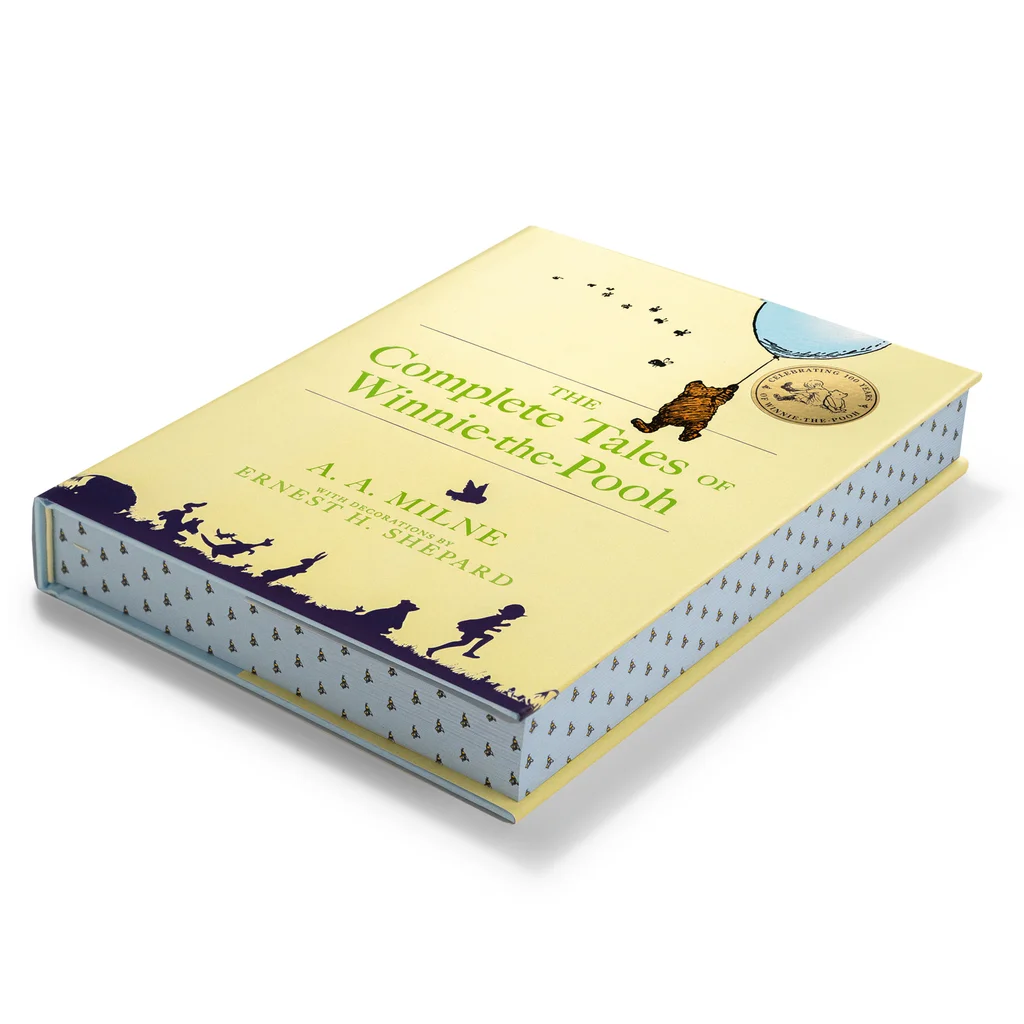
Plenty of publishers now add sprayed edges to their books. Penguin is going further. Its new slate of holiday offerings shows the company investing in more detailed and vibrant art on the cover, the endpapers, and throughout the book. The sprayed edges have more intricate designs, and more books come in slipcases, protective boxes that make them feel like gifts. “We were hearing both from our readers and our retailers saying, ‘I want this to feel even more special,’” Loja says.
Demographic Shifts
It’s worth asking why children are looking for collectors’ editions of books now. Historically, special editions were typically the province of adults who might read them in leather armchairs while sipping a whiskey.
Part of the answer is shifting demographics. When only 14% of 13-year-olds read for fun every day, being a reader is no longer the default. Loja points out that for book-loving kids, carrying around a special edition of Little Women or Redwall works much like a band T-shirt or a pair of Converse sneakers. It is a way of conveying something about their identity.
This spring, Penguin made it even easier for young readers to show the world they’re bibliophiles by partnering with Coach to create book charms that you could clip onto handbags. The 12 books in the collection were tiny and fully readable, and included favorites like Jane Austen’s Sense and Sensibility and Maya Angelou’s I Know Why The Caged Bird Sings. They cost $95 each, and sold out almost instantly. It was yet another signal that young people see reading not just as something to do in private, but something you telegraph to the world.
Loja points out that this is partly about identity, but it is also a way for young readers to find one another. Carrying a book charm, or attending a bookstore’s book bedazzling party is a way to make like-minded friends. “It’s people looking for community, and wanting to be with people who think like they do,” she says.
The Math
For Loja, it was very important that these deluxe editions not be significantly more expensive than standard editions. Many of the collectible volumes coming out this holiday are only a few dollars more expensive than regular hardcover versions, including Salt to the Sea ($24.99) and Redwall ($28.99). The special editions of Pride and Prejudice ($21) and The Secret World of Briar Rose ($21.99) are on par with standard editions. “We don’t want people to feel like they’re paying for bells and whistles,” Loja says. “They’re really paying for the book.”
Penguin can keep prices down because technology has improved, allowing printers to produce more elaborate books at lower prices. In the past, for instance, decorating a book’s edges was a slow process done by hand. Now, the newest machines use industrial inkjets to print full color directly onto edges. Printers are getting even more creative, creating gradients, illustrations, and designs that wrap around all three sides of a book. That’s how Penguin produced a special edition of The Swifts, a middle grade mystery, that has sprayed edges that are a real, solvable maze.
Loja says that besides sprayed edges, printers are thinking about how to cut shapes into the page edges. Or printing each character’s dialogue in a different color ink. “When you unlock creative people who are making books, they find ways to do all kinds of things,” she says. “Does it tell a story? Does it give you a puzzle? Does it give you a game?”
Ultimately, Penguin isn’t only selling to the kids who already love books. Loja is also focused on cultivating more readers. And she believes that these beautiful new editions might win over some children who are drawn to a sparkly cover. “Maybe those will be lifelong readers because of this,” she says.
In her nearly two decades at Penguin, Loja has seen how effective it can be to win readers early. She recently went to an event for John Green’s first adult novel, Hollywood, Ending, which came out in September. Looking around the room, she realized that it was made up of people who had read Green as teenagers, and were now in their early twenties through thirties. That’s the long game behind a dragon-scale edge or a Golden Ticket tucked into a book: catching readers young, and keeping them for life.