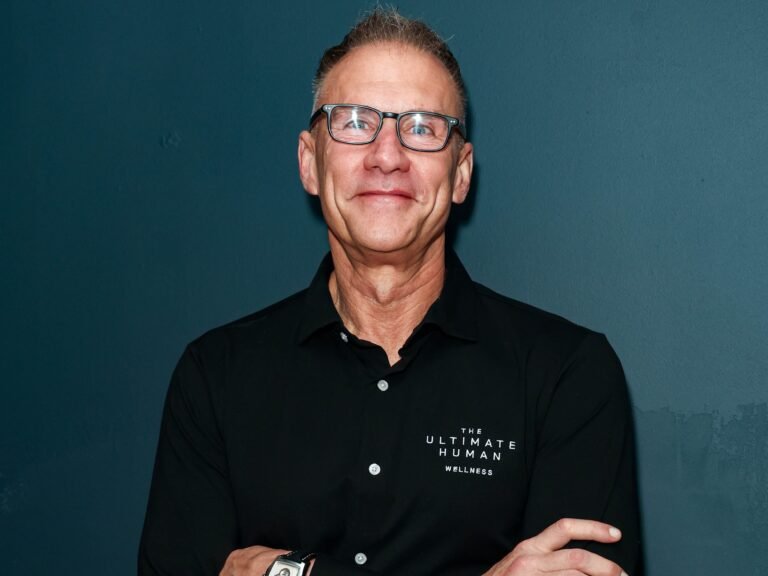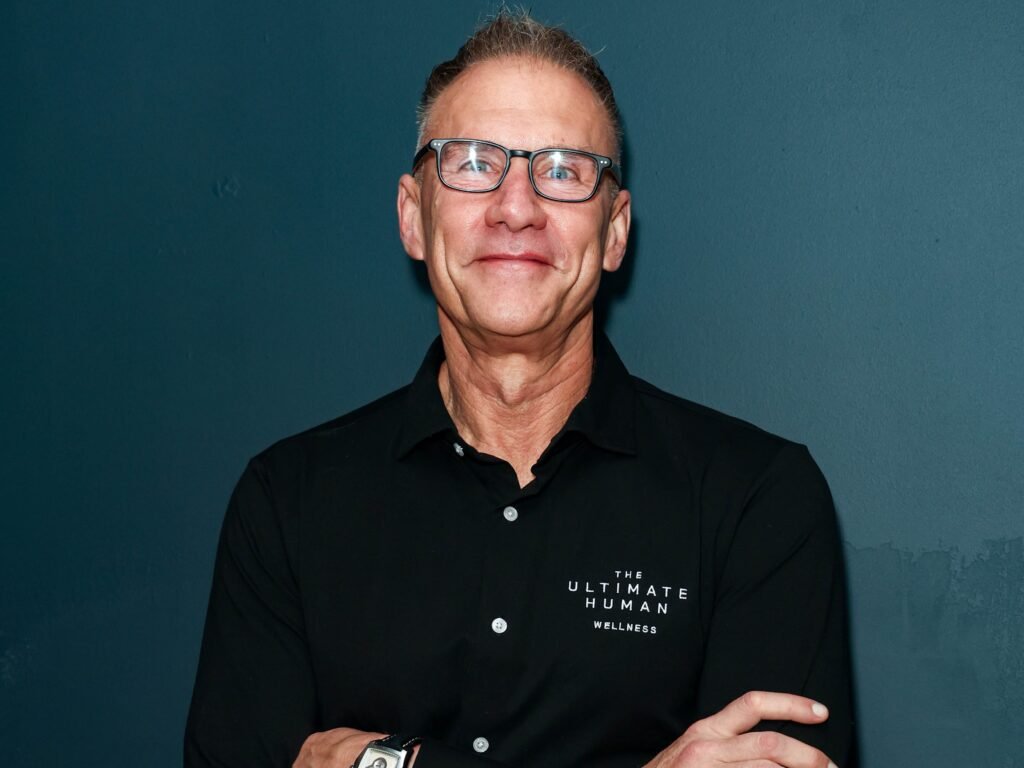
Hoda Davaine/Getty Images for smoov
- Gary Brecka is a biologist who worked on predicting mortality for insurance companies.
- He’s 56 and hopes to live to 120.
- He’s purchased hyperbaric chambers and red light beds, but says sleep and community are more important.
This as-told-to essay is based on a conversation with Gary Brecka, co-founder of Ultimate Longevity Center. It has been edited for length and clarity.
I’m a biologist, and for years, I worked helping insurance companies try to predict exactly when their customers might die. I also expect to live to 120 — and I’m only 56 today.
Everyone on earth has a predicted life expectancy, based on large-scale data. When I worked for insurance companies, I used their data to analyze the specific factors that affected individual life expectancy.
What I found surprised me. For example, high blood pressure wasn’t always associated with increased mortality. A lot of data from insurance companies ran counter to mainstream medical dogma.
My work was sometimes grim. One day, I found a potentially deadly medical error in a patient’s chart, but I had no means to tell her. That was the day I decided I wanted to stop working to predict death and start helping people live longer, happier, healthier lives.
Skip the diets and cleanses, but move daily
A lot of longevity work isn’t flashy. It’s about the same healthy habits that we all know we should practice. If you show me someone’s daily habits, I’ll show you where they’ll be in three to five years.
There’s no evidence for dogmatic dieting, whether that’s following keto, carnivore, or any other dietary trend. What extends life is the absence of processed foods. Likewise, you don’t need to cleanse: if you’re peeing, pooping, and sweating, you’re already living a detox lifestyle.
Unsurprisingly, exercise is critically important. I know from working in insurance that a sedentary lifestyle is one of the biggest risk factors for death: sitting is the new smoking. Daily mobility is non-negotiable for me — I block off time for it on my calendar daily.
Put sleep on the calendar and don’t use your phone in bed
Sleep is one of the most critical aspects of longevity. It’s our human superpower, the time when our brains clear waste and form memories. And yet, sleep is the most bullied part of most people’s calendar. It happens only after everything else is done.
I take the opposite approach: sleep is the first thing I put on my calendar. I am meticulous about keeping a solid sleep schedule, and I make my bedroom a sanctuary. To get good sleep — and all the health benefits that come with it — your nervous system needs to be regulated and relaxed.
I bring my phone into the bedroom, but put it on airplane mode. I don’t scroll, watch TV, send work emails, or do anything else that could put my nervous system on high alert.
Build community around healthy habits
How often have we heard a story about spouses who have been married for decades, dying in quick succession? That’s because relationships are critical to longevity — and they’re something money can’t buy. Your community and connections have a huge impact not only on your lifespan but also on your health span.
My kids range in age between 18 and 28, spanning all of Gen Z. Their peers are realizing how important community is. Run clubs are becoming more popular among that demographic. It’s not just about physical health — anyone can lace up their sneakers and run a 5K — but about the community building that takes place before and after exercise.
We should all take a page from their books. Building social space with like-minded people who share your passions and purpose will help you live longer.
I’ve spent big on health technologies
The basic tenets of longevity — sleep, community, exercise, and unprocessed foods — will allow me to live a happy, healthy life. And they don’t come with an unattainable price tag.
Because I have the means, I also use expensive technologies that can further harm my health. I’ve spent well into seven figures on health technology, including saunas, cold plunges, red light beds, and hyperbaric chambers at my two houses.
I’d rather have a hyperbaric chamber than a Ferrari, and a red-light bed than a Rolex. But I also know that you can’t skip the basics of healthy living, no matter what cutting-edge technology you have access to.