Generic store brand groceries can increasingly be found in the pantries, fridges, and freezers of Americans across all income groups. Once designed to communicate value and affordability, a new generation of private labels designed for high earners is driving sales.
Among households earning more than $100,000 a year, 82% say they’ve increased the frequency of buying store-brand groceries “often” or “very often,” according to a report from Alvarez & Marsal Global, a consulting firm.
That’s compared to 74% of households earnings less than $100,000 a year who also say they’ve increased their store-brand grocery purchases.
Grocers have rebranded and grown their portfolio of private label brands over the past several years to cater to consumers pressed by inflation, and it’s paid off as the highest-earning shoppers make up an increasingly large share of the economy. The report attributed the steep increase among the highest-earning Americans to “improvements made in private label products.”
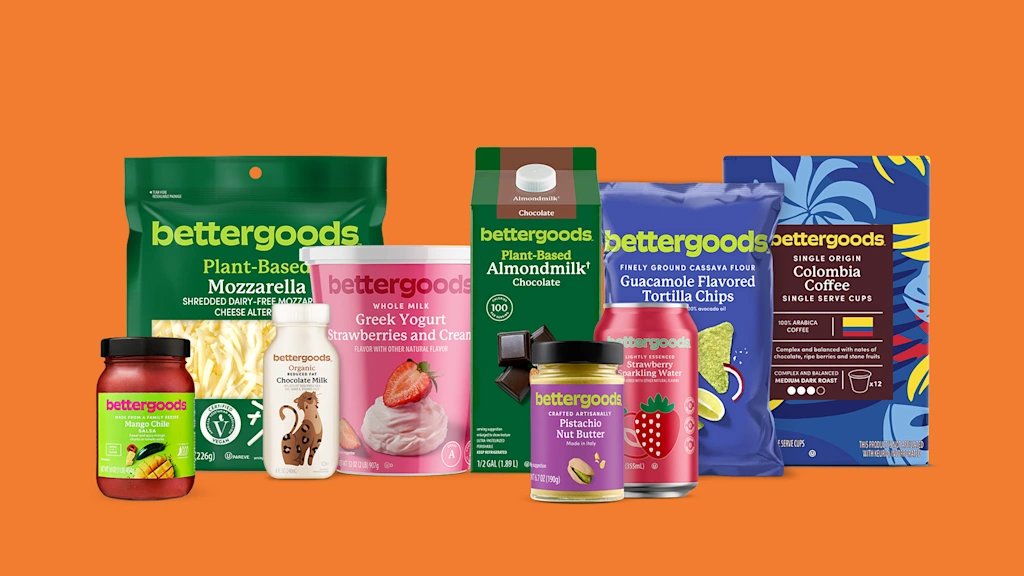
Nowhere is this more true than Walmart, the leading grocer since 2019, which launched a new private label called Bettergoods in 2024 that includes products that are plant-based, organic, or gluten-free. These products intentionally cater to the Whole Foods shopper with bright, well-designed packaging. The company reported quarterly revenue of $179.5 billion, up 5.8%, and said high-income households were part of the reason why.
“We continue to benefit from higher-income families choosing to shop with us more often,” Walmart CEO Doug McMillon said on the company’s earnings call late last month.
Upgraded, design-ified generic brands aren’t just boosting high-income shopping, though. The report found 68% of shoppers across all income groups believe store brands offer quality that is as good or better than national brands, and switching to store brands was the No. 1 way shoppers said they cut their grocery bill.
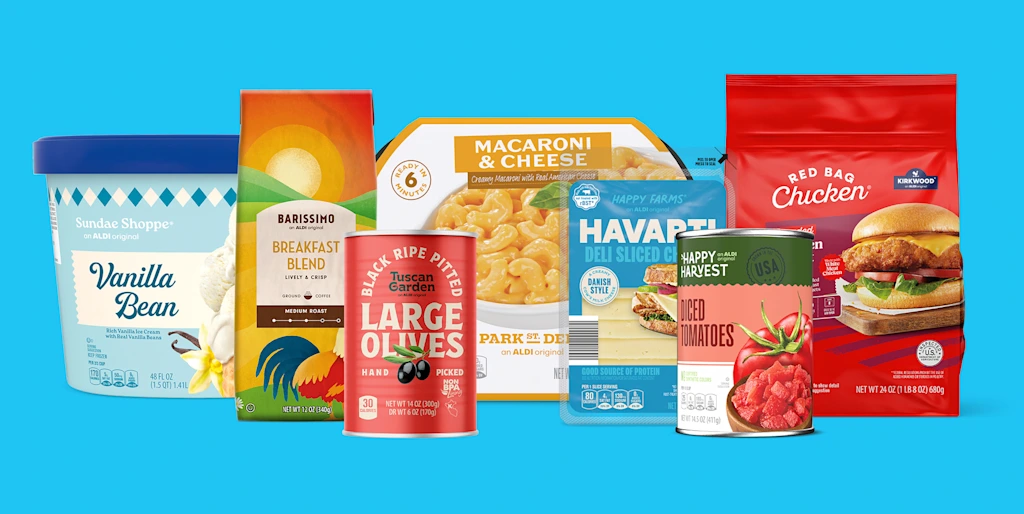
Those trends are shaping the industry. Albertson’s says it’s aiming for private labels to eventually account for 30% of its business, Aldi put its name on all its products for the first time, and Amazon debuted a new branded online grocery store with packaging that makes good use of its new font, bright colors, and white space.
With high-income households driving so much spending, industries from airlines to produce are especially catering to the shoppers with high-end products and premium experiences. At the grocery store, though, the success of private labels proves that when it comes to cooking dinner, even the highest-earning among us are looking for a good deal.
Related Posts
Tesla’s ex-global sales chief says Chinese EV makers use a ‘super smart’ technique that even Tesla has applied to its cars
Jon McNeill, Tesla's former president of global sales and co-founder…

A 29-year-old VC founder sparked a debate after posting about a 7-day workweek. He shared his philosophy with us.
Harry Stebbings says that working a 7-day workweek is required…
I was laid off by Intel — then my wife lost her job. 4 months later, I still can’t find work.
Sriram Ramkrishna Sriram Ramkrishna Sriram Ramkrishna has struggled to find…