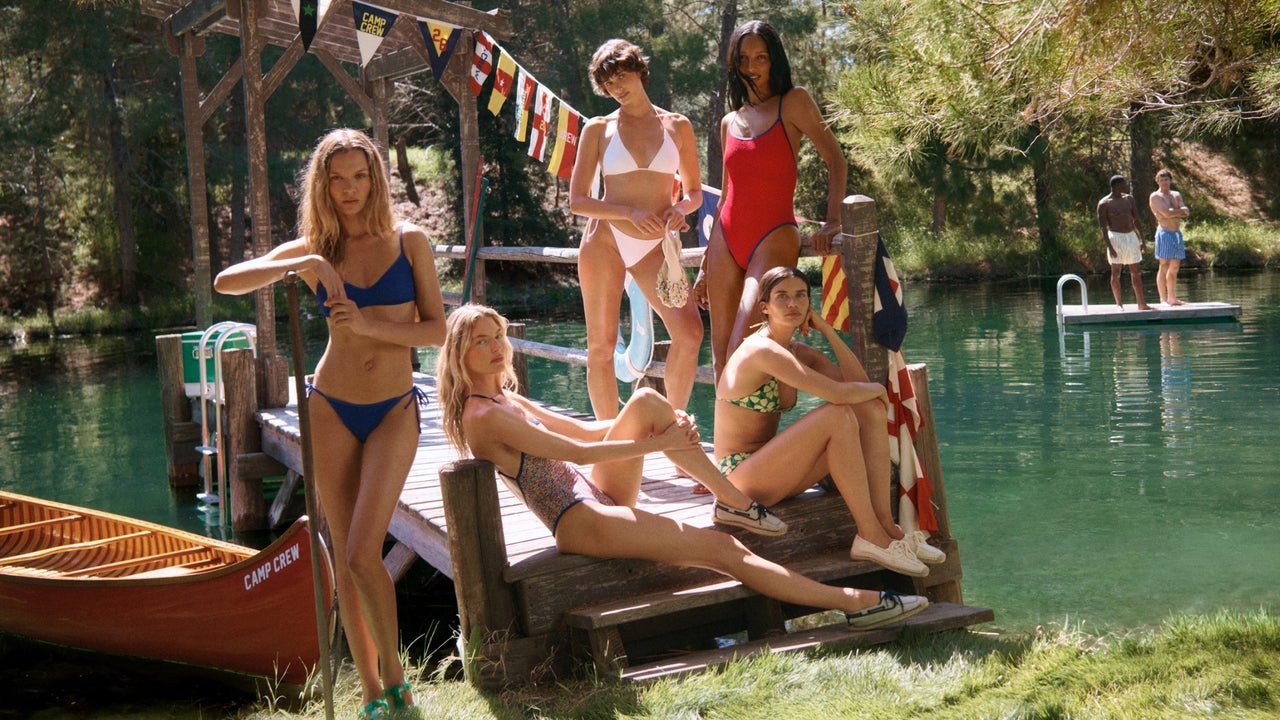
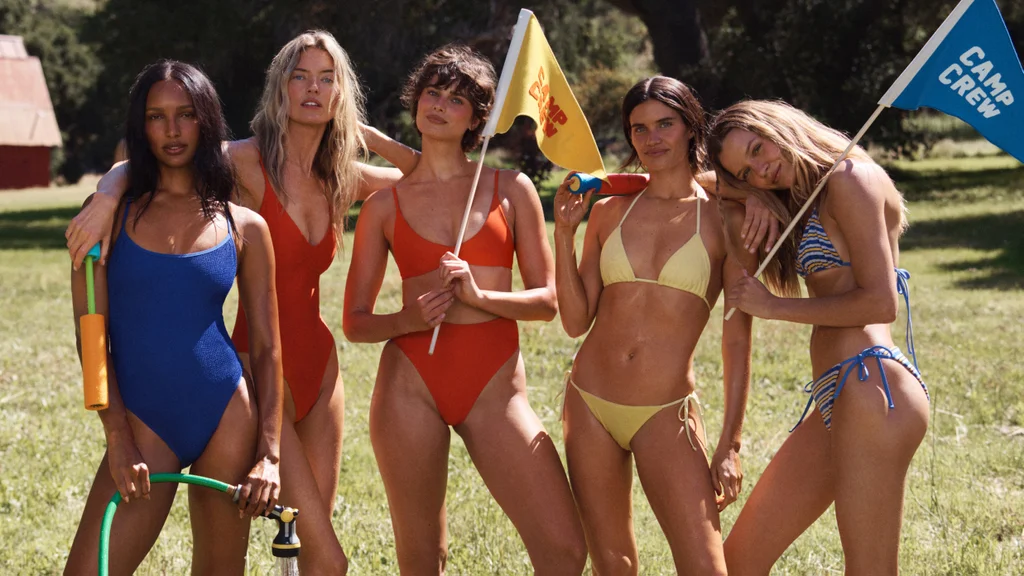
Grab your jelly sandals, one-piece, and striped swim trunks: It’s time to hit the beach at Camp Crew, the setting of J.Crew’s summer campaign that’s selling sweet summer romance (and bikinis) to the masses.
“Camp Crew” debuted on June 2 in a series of Instagram posts and a 40-second video on the brand’s website. The ad campaign combines new pieces that feature Camp Crew branding, like a red-and-white ringer tee and cream baseball cap, with items from J.Crew’s general summer collection, like a lightweight version of the brand’s iconic roll-neck sweater and plenty of beachy apparel. The entire campaign revolves around the nostalgia-packed setting of Camp Crew, which is operated by a cast of “camp counselors” pulled straight from a dream scenario—including models Jasmine Tookes, Martha Hunt, Taylor Hill, Sara Sampaio, and Josephine Skriver.
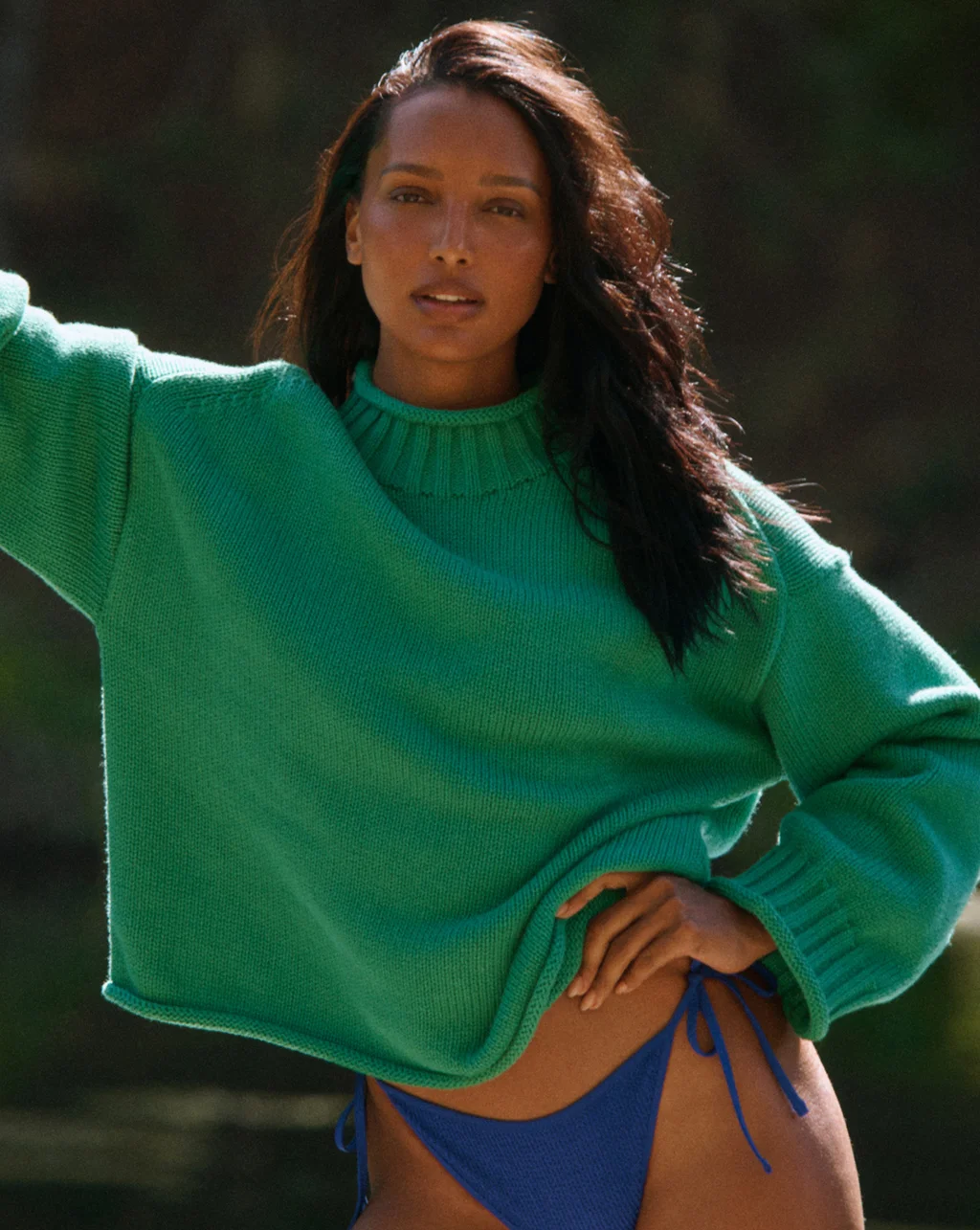
The campaign is the embodiment of a marketing formula that J.Crew has spent the last several months perfecting. It’s an approach that turns each launch into its own retro-inspired storytelling platform, populated by familiar faces who elevate J.Crew’s apparel into the uniform of a fictional universe you can never visit, but wish you could.
Inside J.Crew’s winning marketing playbook
J.Crew’s winning new playbook has been slowly taking shape since Libby Wadle, a 20-year veteran of the company, stepped in as CEO in 2020. Wadle has since been focusing on the brand’s broader turnaround, including a return to its aesthetic origins (preppy, vintage Ivy League style) and a greater focus on strategic partnerships to boost its cultural relevance.
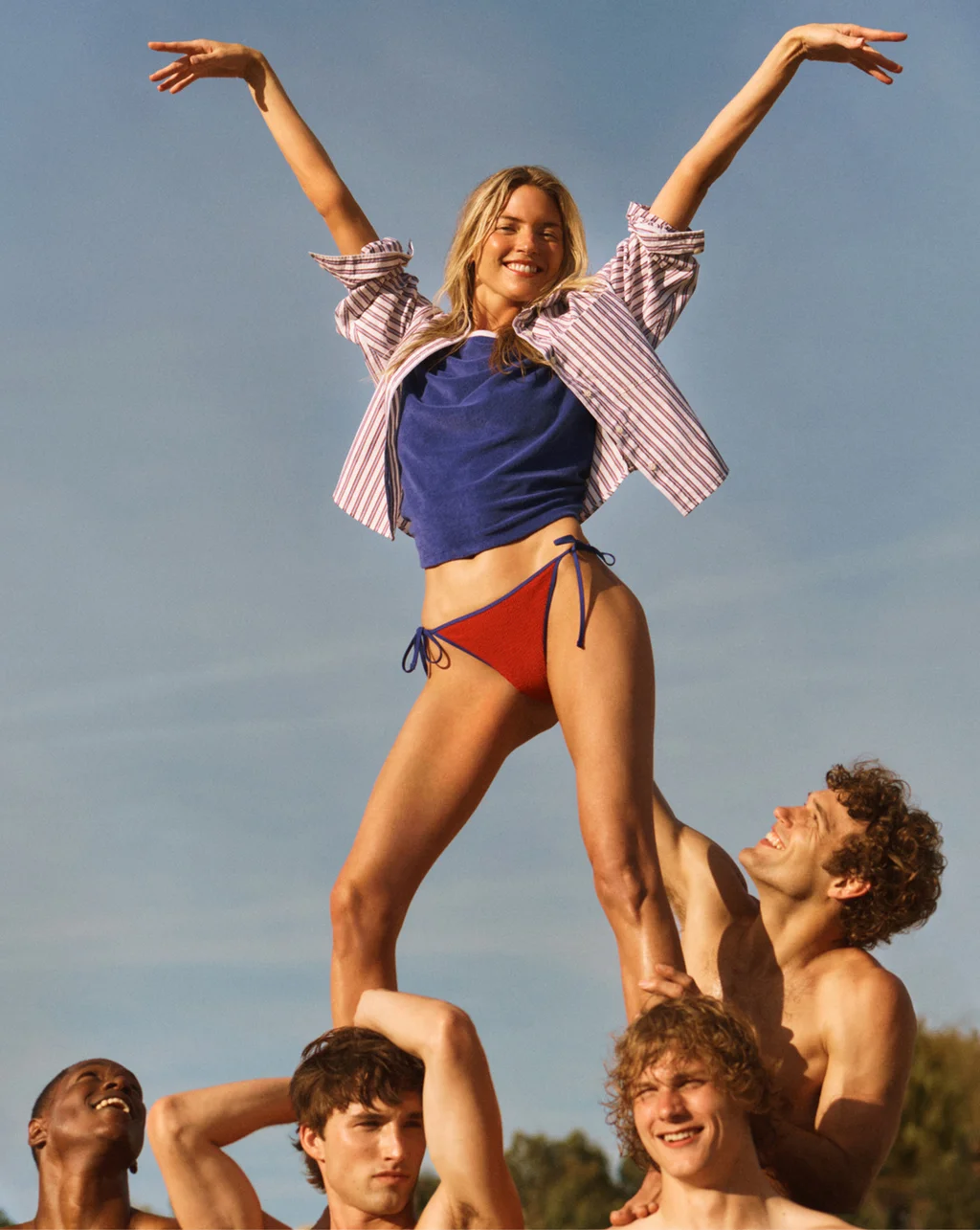
We first saw J. Crew’s new approach to marketing this past October, with its wildly successful roll-neck sweater campaign, which was spearheaded by new CMO Julia Collier. (Collier previously led marketing at Skims.) The campaign, for a reimagined version of the iconic sweater, included talent like actress Molly Gordon and singer Maggie Rogers. It looked like a modern take on The Breakfast Club—complete with ’90s lacrosse sticks, an ’80s soundtrack, and character traits assigned to each of the brand partners.
It also elevated brand marketing into what Fast Company described at the time as “brandtainment”: an approach that doesn’t just sell items, but also creates compelling stories that stand on their own—and that viewers will actually stop to watch and engage with online. After the campaign debuted, the roll-neck sweater fully sold out.
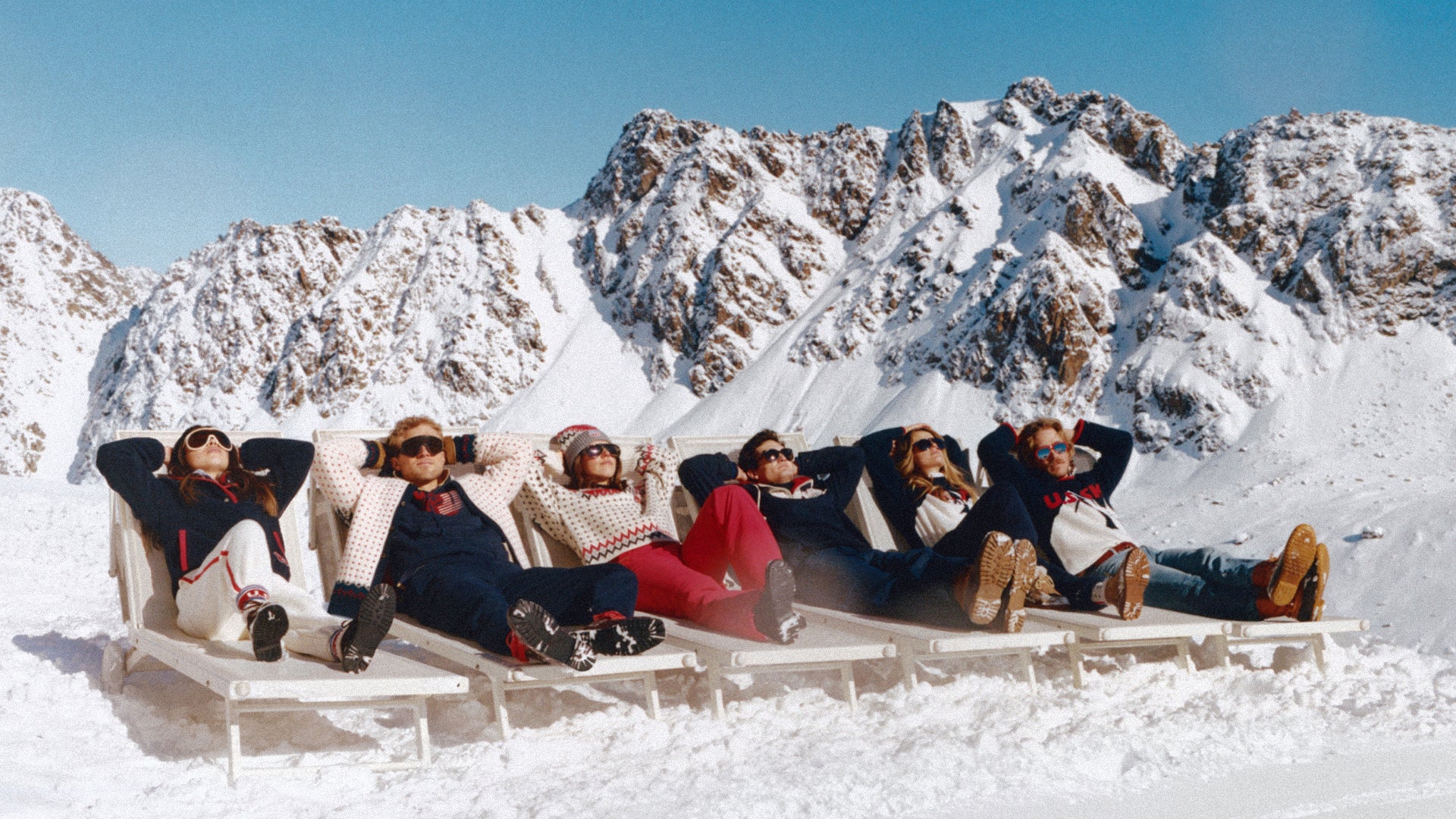
J. Crew took a similar approach this winter when it created an apparel collection in collaboration with the U.S. Ski & Snowboard teams for the 2026 Milan Cortina Olympics. That campaign, called “Alpine People,” saw six athletes take to the slopes in a campy ’70s-inspired, Wes Anderson-style brand film. Like in the roll-neck campaign, the short video gave each athlete his or her own fictionalized characterization, such as “the gear head,” “the snowball bandit,” and “the local legend.”
“One thing we’re increasingly interested in is building worlds rather than simply presenting products,” Collier says. “The strongest brands today create a point of view and are generous with their role as entertainers, creating content that customers can participate in, not just shop from. This is how we also celebrate our cultural legacy and heritage in a wider way that resonates in popular culture but allows us to have some fun.”
These campaigns blend real vintage props and aesthetics with zeitgeisty people and storylines, and Camp Crew brings that formula to the height of nostalgia-core settings—the summer camp.
Welcome to Camp Crew
Summer camp is an almost universally nostalgic setting, not only because plenty of Americans of all generations have had their own experiences at camp, but also due to its evergreen popularity in media (think movies like Moonrise Kingdom, Wet Hot American Summer and, more recently, Fear Street: Part Two–1978). For J.Crew, it offers the perfect playground to mix and match various retro aesthetics.
The brand film for Camp Crew is an amalgamation of different throwbacks—from preppy ’50s-style swim trunks and sweaters to ’90s Baywatch-esque red one-pieces and ’70s ringer tees. Collier says that the campaign took inspiration from J.Crew’s own catalogs and imagery, “particularly the aspirational storytelling and sense of adventure that defined the brand in the late ’80s and ’90s.” Classic camp ephemera—like vintage pennants, patches, camp handbooks, old athletic uniforms, and souvenir graphics—were other key touchpoints that add a hearty dose of Americana to the visuals.
“Camp naturally invites a sense of fun, so we experimented with color, scale, proportion, and graphic treatments throughout the campaign,” Collier says. “We wanted the visual identity to feel more spirited and collected, almost like something you might discover on vintage camp signage, merit badges, pennants, or a well-loved camp handbook.”
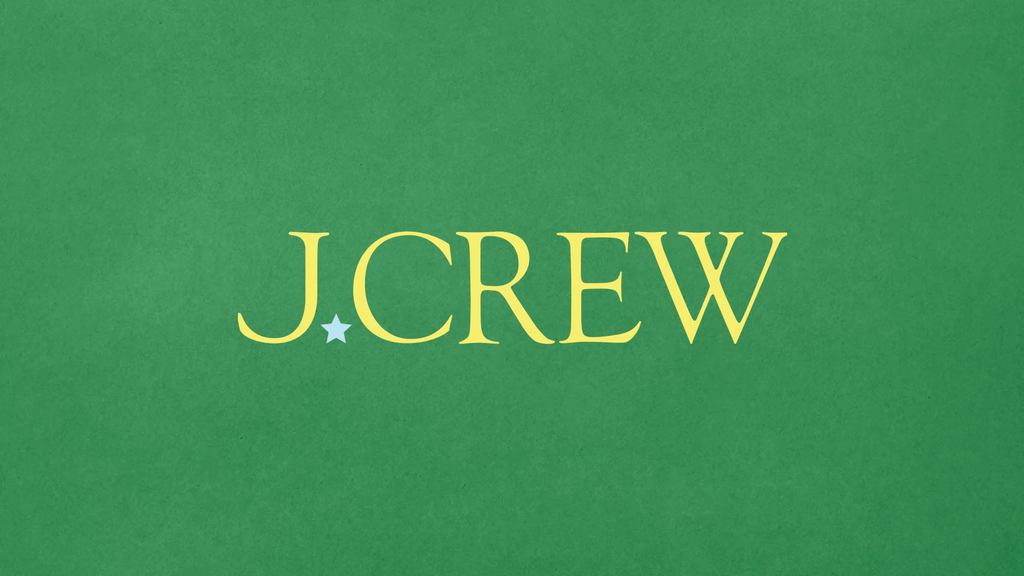
That playful spirit even extends to J.Crew’s wordmark, if only for the season. As part of the launch, the brand created a version of its logo with a star as the period between “J” and “Crew,” as well as added a star to its profile picture on its socials. Collier says it’s a wink to camp aesthetics that quickly became a unifying element across product, marketing, social media, and experiences.
As for the choice of cast, each starring role is filled by an era-defining supermodel from the 2010s, which creates an interesting interplay between familiar faces and an unfamiliar brand world.
“At its core, Camp Crew is about being young at heart. So telling the story through a reunion of these iconic supermodels, who helped define a generation of fashion imagery, allowed us to bring a different perspective and confidence to those same feelings of adventure and possibility,” Collier says. “That tension between nostalgia and evolution is what makes the campaign feel contemporary.”