Andreessen Horowitz investors (and identical twins) Justine and Olivia Moore have been in venture capital since their undergraduate days at Stanford University, where, in 2015, they cofounded an incubator called Cardinal Ventures to help students pursue business ideas while still in school. Founding it also gave the Moores an entry point into the broader VC industry.
“The thing about starting a startup incubator at Stanford is all the VCs want to meet you, even if you have no idea what you’re doing, which we did not back then,” Olivia says.
At the time, the app economy was booming, and services around things like food delivery and dating proliferated, recalls Justine. But that energy pales in comparison to the excitement around AI the sisters now experience at Andreessen Horowitz.
“There’s so many more opportunities in terms of what people are able to build than what we’re able to invest in,” she says.
To identify the right opportunities, the Moores track business data such as paid conversion rates and closely examine founders’ backgrounds—whether they’ve worked at a cutting-edge AI lab or deeply studied the needs of a particular industry. They attend industry conferences, stay current on the latest AI research papers, and, perhaps most critically, spend significant time testing AI-powered products. That means going beyond staged demos to see what tools can actually do and spotting founders who quickly intuit user needs and add features accordingly.
“From using the products, you get a pretty quick, intuitive sense of how much of something is marketing hype,” says Olivia, whose portfolio includes supply chain and logistics operations company HappyRobot and creative platform Krea.
The sisters also value Andreessen Horowitz’s scale, which allows the firm to stick to its convictions rather than chase trends, and its track record of supporting founders beyond simply investing. (Andreessen Horowitz is reportedly seeking to raise $20 billion to support its AI-focused investments.)
“It’s most fun to do this job when you can work with the best founders and when you can actually really help them with the core stuff that they’re struggling with, they’re working on, or striving to do in their business,” says Justine, a key early investor in voice-synthesis technology company ElevenLabs.
Though the sisters live together and work at the same firm, where they frequently bounce ideas off each other, they’ve carved out their own lanes. Olivia focuses more on AI applications, while Justine spends more time on AI infrastructure and foundational models. At this point, they say, it’s not unheard of for industry contacts to not even realize they’re related.
“If I see [her] on a pitch meeting in any given day, that’s maybe more of the exception than the rule,” Justine says.
This profile is part of Fast Company’s AI 20 for 2025, our roundup spotlighting 20 of AI’s most innovative technologists, entrepreneurs, corporate leaders, and creative thinkers.
Related Posts
I just went to Las Vegas for the first time since I stopped drinking. It was a surprisingly sober-friendly destination.
The author recently visited Las Vegas solo for the first…
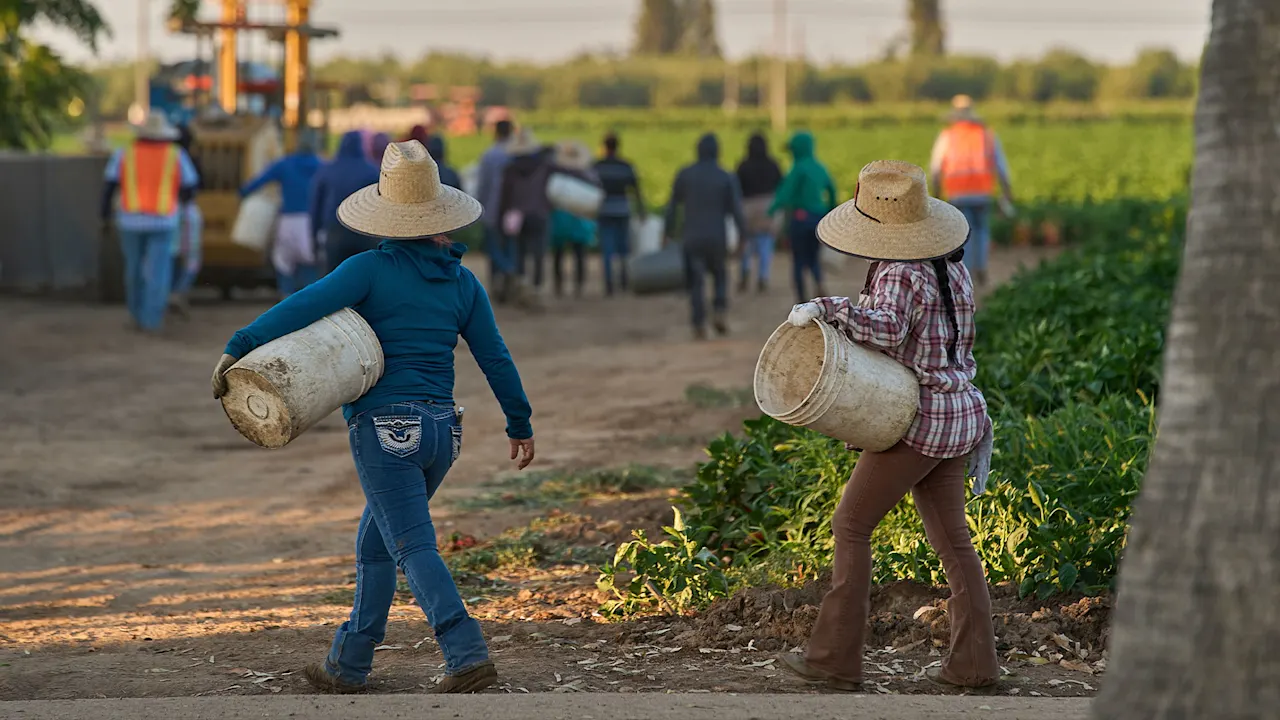
Census Bureau data reveals U.S. labor force has lost over 1.2 million immigrants
It’s tomato season and Lidia is harvesting on farms in…
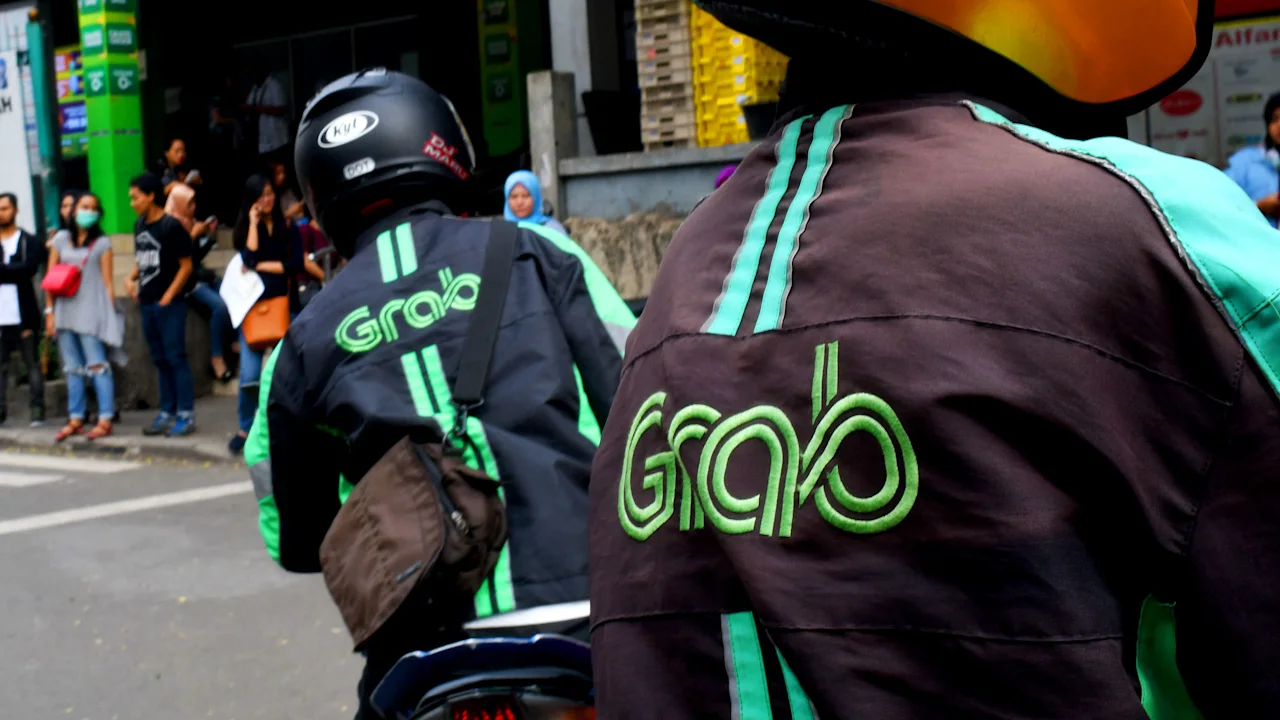
Grab’s $20 billion playbook for becoming a super app
Grab is a rideshare service-turned superapp, not available in the…