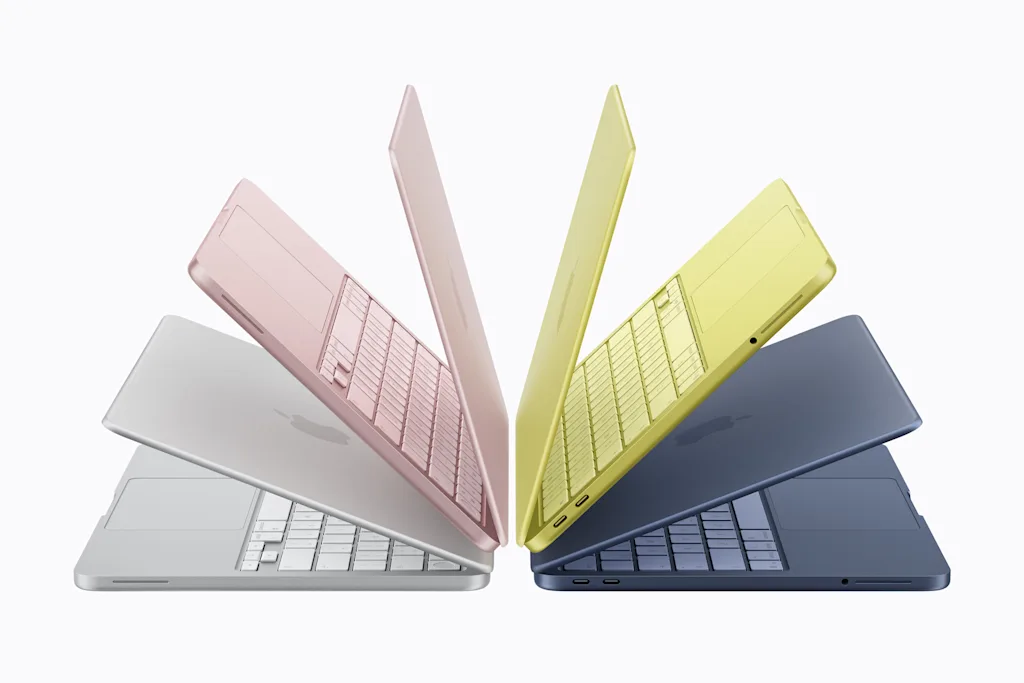
Apple’s new 13-inch laptop, the MacBook Neo, is a cheap MacBook in the era of expensive PCs, when AI’s endless appetite for memory has caused the price of computers to skyrocket.
Its $599 starting price isn’t much more than what a couple of sticks of DDR5 will cost these days. The secret to the low price? The Neo isn’t driven by your typical laptop chipset, but the same architecture inside your iPhone. It’s an iPhone with a 12.9-inch screen and keyboard.
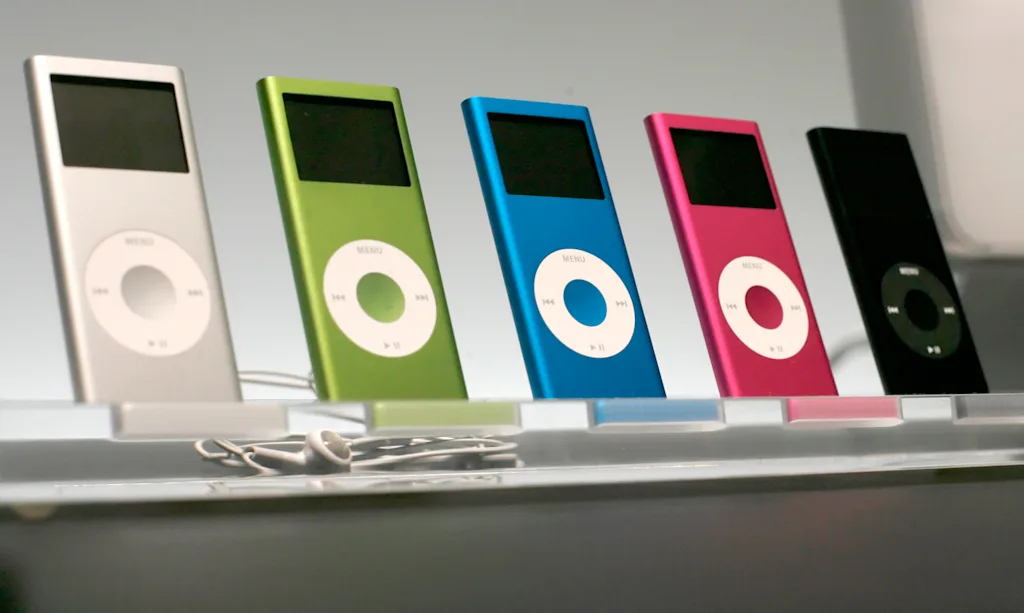
But the Neo design is largely based on nostalgia. Its colorful anodized aluminum computer body—a callback to the classic iPod minis and nanos so coveted by gen Z and Alpha—is more a retro-release than something new. Much like the Nike Dunk is a cheaper, colorful take on a Jordan, the MacBook Neo is less a design innovation than a play for cash-strapped young consumers who can’t swing the cost of a traditional MacBook let alone a Pro.
To understand the Neo, let’s look at the brutal reality of the 2026 computer market: Global PC shipments are projected to drop by 10.4% this year, the “sharpest decline in over a decade,” says Tom’s Hardware, with consumer sales tanking as pandemic-era tech hoarding fades. Furthermore, Apple’s laptop grip on the youth may be slipping. UC Davis demographic data reveals Mac ownership among college students plummeted from a peak of nearly 50% in 2022 down to just 37.3% in 2025 (the cheap PCs and Chromebooks may have something to do with this).
Yet, laptop ownership itself remains near universal among that exact same demographic at 96.3%. The kids are absolutely still buying clamshells for schoolwork. And Gen Z in particular is driven by aesthetics, prioritizing design sleekness and color options when upgrading their hardware. The Neo is Apple’s $599 calculated strike to win back those exact buyers.

Logistic innovation, computer stagnation
Delivering a highly capable machine for $599 (and within Apple’s generous profit margins) is an absolute miracle of corporate logistics. We live in an age where artificial intelligence is drastically inflating the cost of building electronics. Chipmakers have redirected their factories to build high-bandwidth memory for AI servers, leaving mobile random access memory—the temporary digital workspace a computer needs to hold the information it is actively thinking about—in incredibly short supply.
The crisis is so severe that Apple was recently forced into emergency negotiations with Samsung, reportedly accepting a massive 100% price hike on memory modules on the spot just to secure inventory. Getting a 2.7-pound fanless computer with an A18 Pro processor—the exact same microscopic silicon brain that powers their latest mobile devices—and up to 16 hours of battery life for six hundred bucks is unprecedented value in this hostile economic climate.
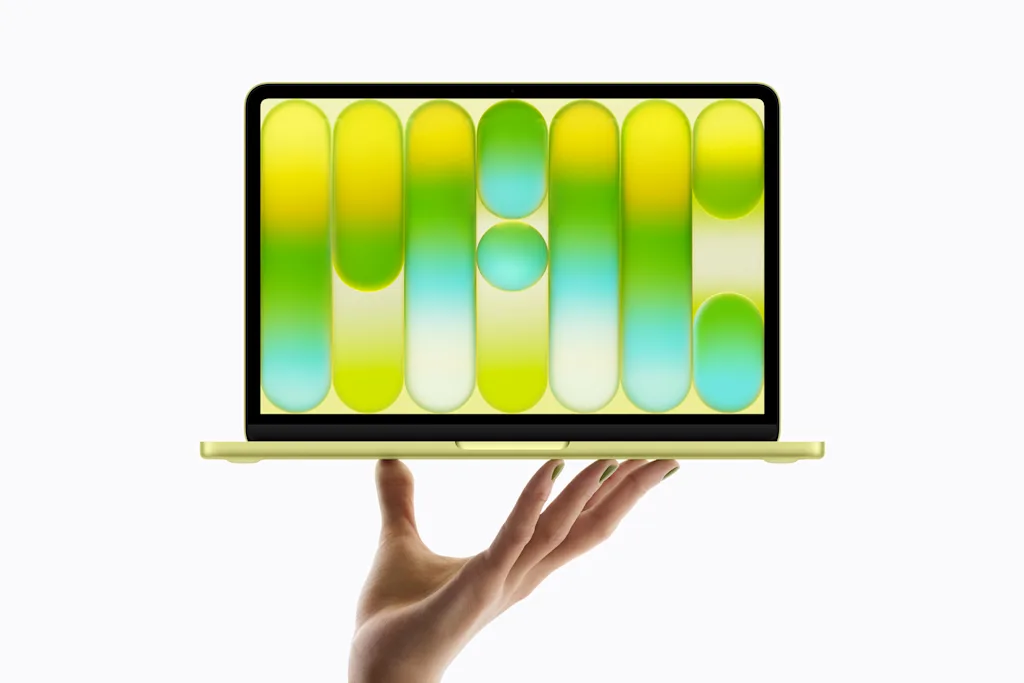
To bait the trap for the new gens, the Apple design team seems to have dug deep into its own history. The Neo comes encased in brightly colored anodized aluminum, offering shades like blush, indigo, silver, and citrus, a direct aesthetic descendant of the classic iPod minis and nanos. People are so tired of endless streaming that those vintage music players have recently become fashion accessories for the youth, serving as physical symbols of a simpler, more tactile technological past. By wrapping a barebones laptop in those exact same semiotics, Apple is deliberately positioning this cheap machine as classic, authentic tech to lure in a budget-constrained generation.
At its presentation in NY today, the Cupertino brass made a big point about how the Neo integrates seamlessly with the iPhone, highlighting features like Handoff—which lets you start a task on your phone and finish it on the laptop—and universal copy-pasting. They even touted a feature that mirrors the phone’s screen directly onto the Neo’s 2408-by-1506 pixel liquid crystal display, a screen technology that uses precise electric currents to manipulate light through millions of tiny color filters. But this supposed synergy is a marketing mirage. It works just like any other Mac does. There is nothing uniquely synergistic about the Neo.
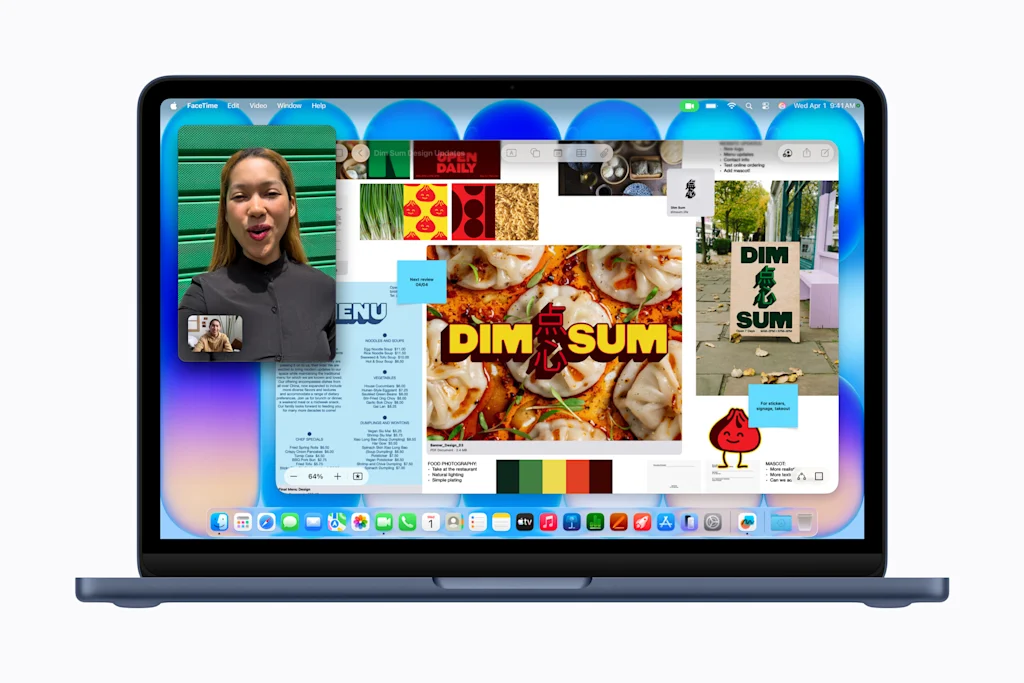
Like everything else in it, the Neo is a marketing gambit. A name that implies a matrix-shattering rebirth actually delivers the exact same desktop environment we have used for a quarter of a century, macOS. It does not run a new UX that truly ties to the mobile operating system that billions of people intuitively understand. Which is fine. However, if you are targeting a generation that grew up tapping glass and swiping through apps, handing them a traditional desktop interface with floating windows, a hierarchical file system, and a trackpad pointer feels completely backwards. But hey, maybe that’s what they want.
I just keep thinking that Apple could have delivered something new, a unified, touch-first user experience that matches how the iPhone generation actually interacts with digital information (but not iPad OS, please). Instead, they played it safe, and they’ll retain a split software ecosystem that will keep people juggling iOS and MacOS.
Yes, Nike sold a lot of Dunks before it came back and bit ‘em, and this product could help Apple reach consumers who have been priced out of its laptops. But I’m still not sure this should be called a Neo. It doesn’t feel like the future of computing, but it’s the future we got.
Related Posts
Lovable CEO Anton Osika says vibe-coding frees the ‘super creative brains’ at companies to test their ideas
Lovable CEO Anton Osika said he looks for "generalists over…

LeBron James, 41, says athletes shouldn’t retire just because of age
Lebron James says older athletes shouldn't be expected to retire…
Ex-Tesla AI head has seen a ‘phase shift in software engineering’ using Claude Code — and his manual skills slowly ‘atrophy’
Andrej Karpathy, a Tesla and OpenAI alum, wrote that he…