Convincing kids to brush their teeth twice a day is an age-old problem. A new company is arguing that the solution might look a lot like Lego.
Babsy is a toothbrush company founded by two pediatric dentists and a former Cartoon Network designer who believe that the answer to better oral health for kids comes down to simply making brushing fun. How did they realize this idea?
Founders Dante Paolino, Zach Gelber, and Marissa Gelber worked with the New York-based industrial design firm Leadoff Studio to design a cleverly customizable toothbrush inspired by classic toys. It’s currently available online as part of a starter pack, which includes all the components of the toothbrush, plus extra accessories, for $40.
While other companies have framed pediatric brushing as a tech problem (to be solved through electronic toothbrushes with special jingles or vibration speeds) Babsy argues that getting kids to brush their teeth is actually a design issue—one with a very analog solution.
Design for behavioral change
Teeth brushing can be kind of a drag. What Babsy’s “Build-A-Brush” suggests is that the answer to pediatric tooth brushing isn’t to turn it into a high-tech gadget, but rather to decrease kids’ resistance by giving the brush more interaction and appeal.
“It’s so hard to get kids to brush their teeth,” says Jordan Diatlo, the founder, CEO, and creative director at Leadoff Studio, and a parent to two young kids. “You would think, ‘It’s just part of the daily routine, it should be easy,’ but no—they will resist with everything they’ve got. A lot of times, as a parent, I have to actually sit there and brush inside my kid’s mouth.”
Diatlo certainly isn’t the only parent who’s experienced this struggle. He recalls the Babsy founders sharing that parents always ask them the same question during dental visits: What toothbrush should I get my kid?
It’s an apt question, because there’s so much choice. The current market for kids’ toothbrushes ranges from electronic brushes inspired by the popular stuffed animal brand Squishmallow to U-shaped brushes designed to make the process more autonomous and biodegradable bamboo brushes. According to a 2024 report from the business consulting firm Grand View Research, the global pediatric oral care market size was estimated at $10.3 billion in 2024 and projected to reach $15.5 billion by 2030.
The toothbrush category is also expected to grow at the fastest rate between 2025 and 2030 compared to other products like mouthwash and toothpaste, due to “modifications and innovations in toothbrush design, such as the introduction of electric toothbrushes and improvements in the size and quality of bristles.” As companies including Oral-B, Philips Sonicare, and Foreo Issa continue to innovate new products specifically for kids, the market can become a bit confusing for parents.
“The parents are always expecting that they need the latest and greatest vibrating technology, or bristlehead technology, or they need some app to track their kids’ brushing habits,” Diatlo says. But Drs. Paolino and Zach Gelber actually tell their parents that the toothbrushes’ capabilities don’t matter all that much—what really counts for overall oral hygiene is actually getting kids to brush their teeth more often.
To achieve that goal, the build-a-brush is all about turning a toothbrush from a utilitarian chore tool to a tactile, personalized toy.
Design for fun
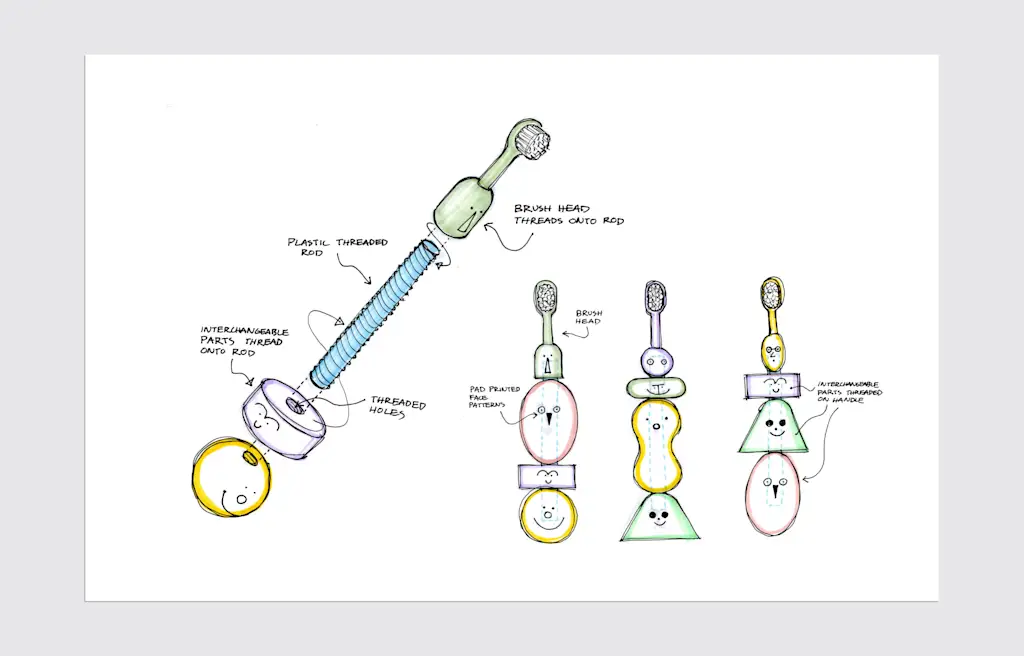
Initially, the build-a-brush concept involved an interchangeable brush, body, and base for kids to choose and play with. Diatlo’s team took that concept and built on it, pulling inspiration from action figures, wooden block toys, and Lego.
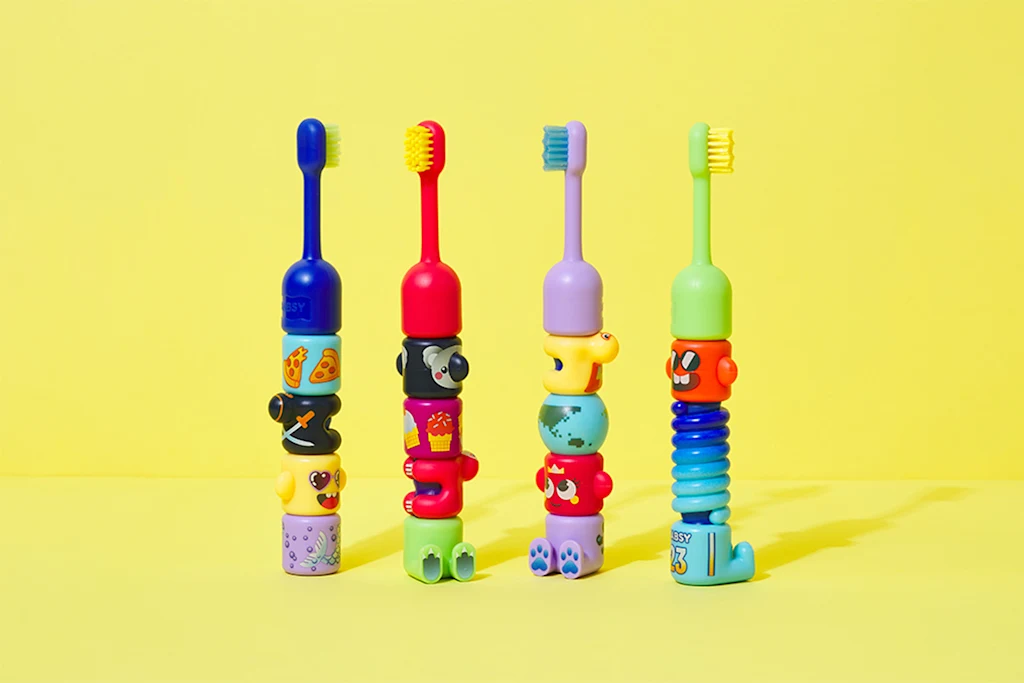
The final product starts with a simple spiral rod, similar to the basic Lego piece that might hold up the structure. Then, the rest of the toothbrush is divided into five interchangeable parts: one toothbrush head, which is swiveled onto the top of the rod, and four decorative parts, which can be screwed onto the remaining rod in any order.
These parts, or “bits” as the company calls them, come in a range of colors and patterns, including pieces with smiling faces, others with 3D feet, some with chunky spiral shapes, and even one that resembles a koala clinging onto the side of the brush. The entire design is built to be interchangeable and easy enough to use that even a child as young as three would have the motor skills to put it together.
Design for children’s development
“We’re really trying to hit these two really developing parts of the child’s brain,” Diatlo says. First, the toothbrush plays to kids’ innate desire to build something with their own hands. And, second, it allows for kids to play into their developing sense of individuality by switching the brush based on what they’re into at any given moment, whether that be aliens or fairies.
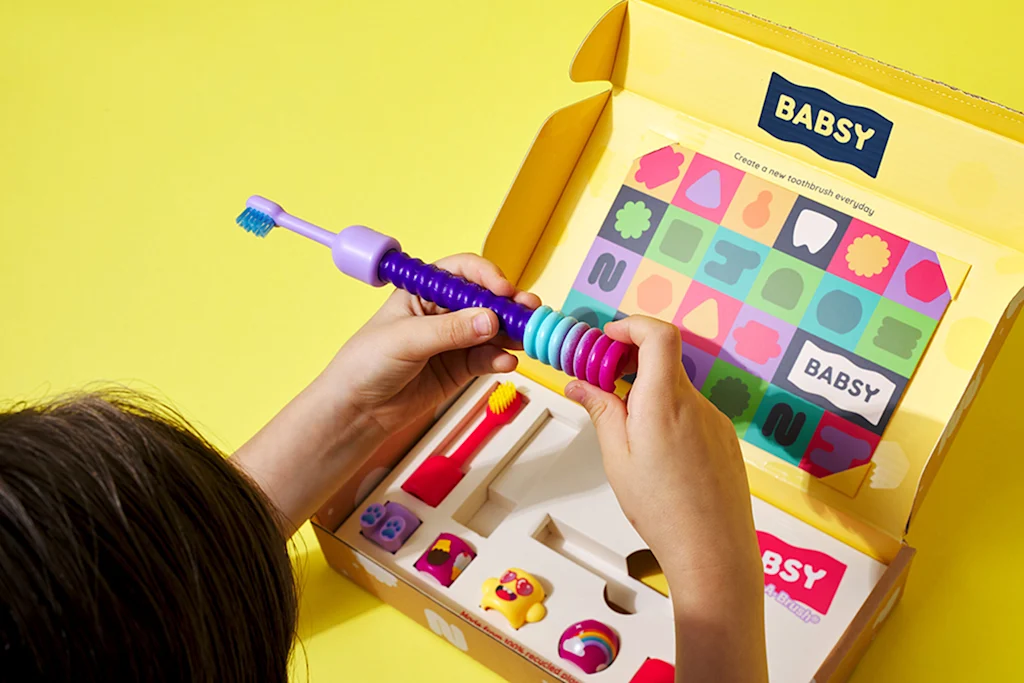
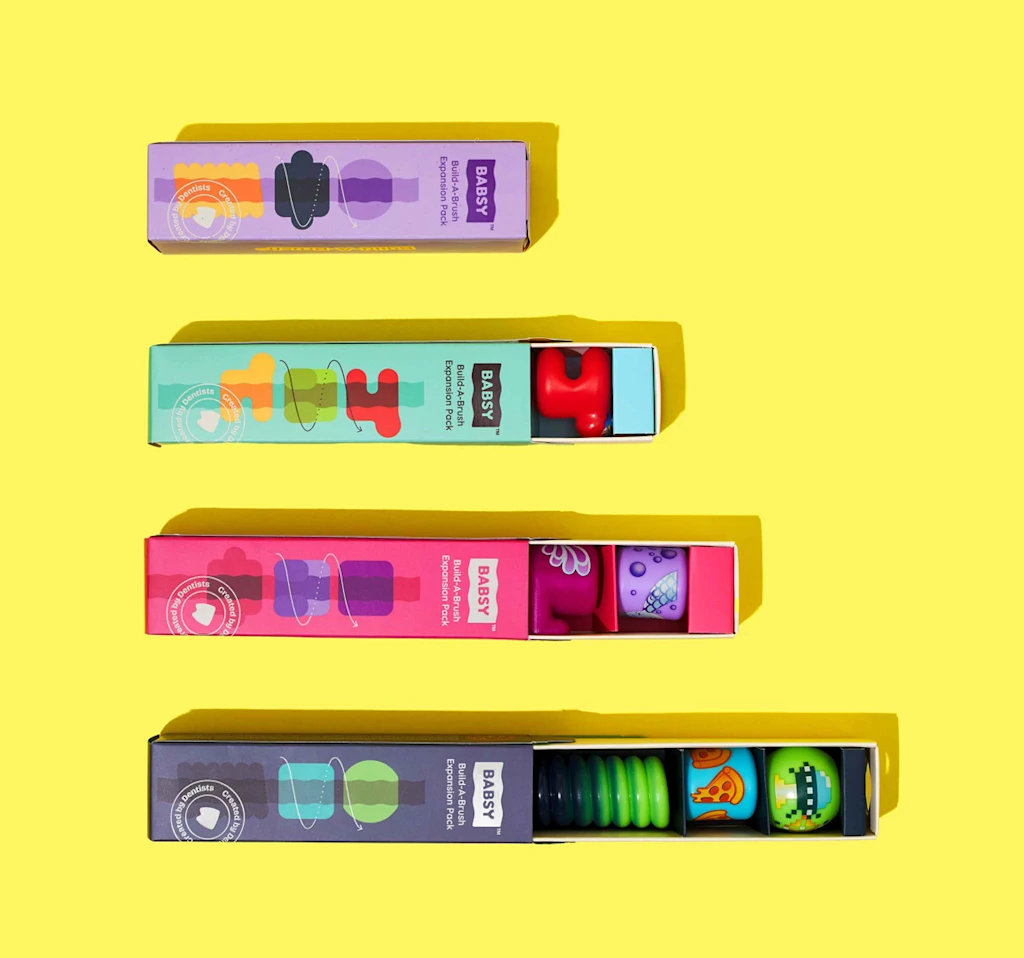
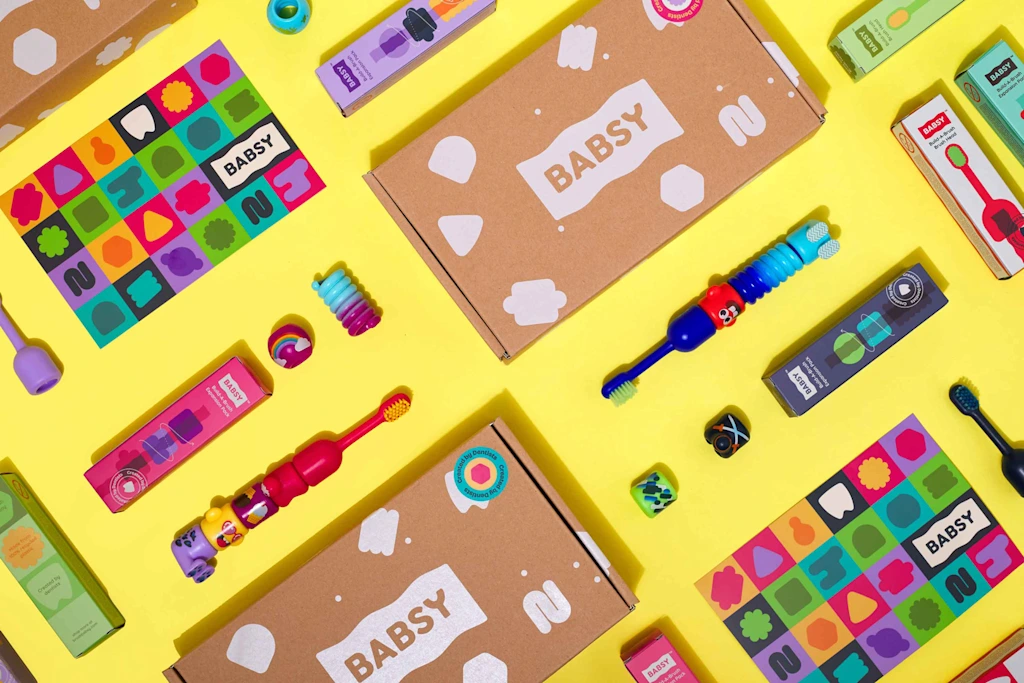
A Babsy starter pack includes a spiral rod, six bits, and two brush heads. The brand also launched with four $10 expansion packs, each of which come with three additional bits. All of the toothbrush’s components are made of 100% recycled polypropylene plastic, which Diatlo says has a soft feel with enough durability for a kids’ product.
“This is the most rewarding product that we’ve ever launched,” Diatlo says. “I’ve just been watching Babsy’s Instagram stories of kids opening up their toothbrushes, and there are some where a little kid opens it, and it looks like Christmas morning, they’re so excited. That just makes your heart melt, but also, the fact that we made a toothbrush that is getting kids this excited is an absolute victory.”
Related Posts
I paid $500 for a private room with 2 beds and a toilet on a 30-hour Amtrak ride. Take a look inside.
Business Insider's reporter traveled by train down the East Coast…

Inside America’s 250-year pursuit of the perfect morning routine
Peter Dazeley/Getty Images; BI I'm always surprised when friends tell…

How will the federal shutdown affect the economy?
Here’s a question about the shutdown submitted by an Associated…