There’s a seemingly ever-expanding number of tools to find restaurants and reserve a table. It’s convenient for consumers and potentially good for restaurants, which have more ways than ever to reach customers. But behind the scenes, managing multiple reservation platforms can be a headache for restaurant staff.
That’s because competing reservation platforms typically don’t interoperate. Unlike the airline and hotel industries, where competing online travel agencies connect to central systems that let them see and manage the same inventory of available tickets or bookings, each reservation provider typically maintains its own database of seatings. That means restaurant hosts need to juggle multiple apps—or even multiple devices—to look up reservations or figure out if there’s room for walk-in customers on a busy night.
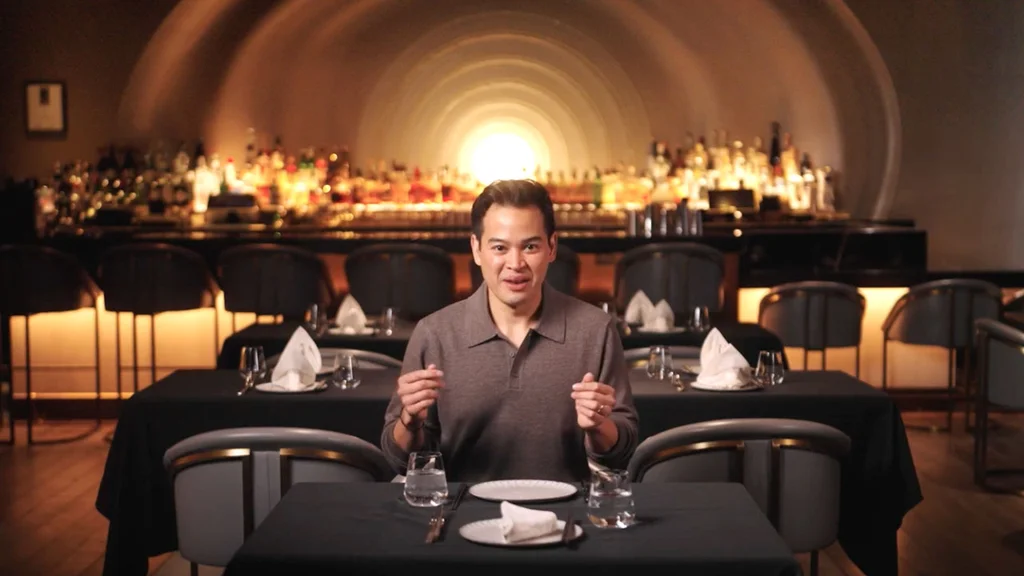
“If you walk into a restaurant, some of them have two or three iPads at the host stand,” says Joel Montaniel, cofounder and CEO of SevenRooms, a restaurant marketing and reservation platform that was acquired by DoorDash last year.
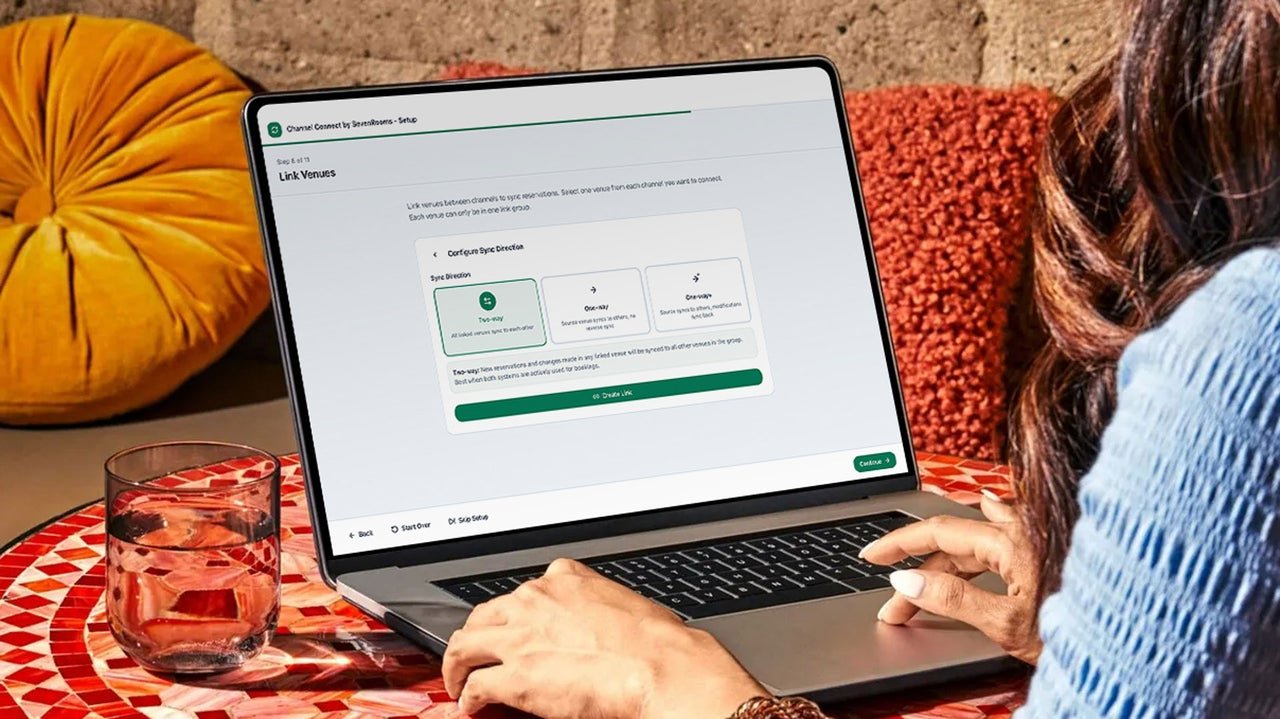
To help make the situation more manageable, SevenRooms on June 16 launched a free tool called Channel Connect, which automatically syncs reservation data from multiple sources to a restaurant’s preferred platform. That doesn’t have to be SevenRooms, Montaniel emphasizes, and the free software is available even for restaurateurs that don’t otherwise use SevenRooms’ services.
The company also emphasizes that it doesn’t store data that restaurants don’t explicitly configure to be transferred into SevenRooms systems. Though it seems inevitable that, if the software becomes successful, it will serve as an advertisement for SevenRooms’ other services, Montaniel says Channel Connect isn’t directly intended to drive new paid business.
“We decided that it doesn’t matter if you use SevenRooms or not,” Montaniel says. “What matters is that restaurants should get to choose and control which places they want to meet their consumers, and they should get to choose and control which system they want to use.”
Reservation platforms don’t usually have standardized APIs, but they do typically have some data export functionality that restaurants already use for things like pulling contact information from reservations into marketing databases. Channel Connect relies on such features and users’ existing credentials to pull data. While it’s possible that competitors could attempt to block the software, Montaniel says he’s hopeful they’ll respect their own customers’ desire to simplify their reservation systems.
“We, of course, hope that the other systems out there that the restaurant wants to use will be considerate of the restaurant’s choice,” he says.
Channel Connect comes at a time when restaurants increasingly find themselves reliant on third-party tech companies for reservations, ordering, reviews, credit card processing, and delivery. Those tools have added new options for restaurants that didn’t previously exist, like taking reservations during off hours or providing delivery without hiring their own drivers. But each has also added a layer of complexity to an industry that has always operated on thin margins and tight time constraints.
“Each time a new technology has entered, it has added to complexity, but nothing has really taken away or created a solution for us to optimize what that experience is like,” says Roni Mazumdar, CEO of restaurant group Unapologetic Foods.
But, he says, using different reservation platforms can be essential for restaurants seeking to cast as wide a net as possible for customers. “I’ve personally seen what it was to run multiple platforms, and hope that five people from here or three people from the other one show up,” says Mazumdar, who is also a member of the National Restaurant Association’s board of directors.
Mazumdar is optimistic that Channel Connect will streamline reservation management and free hosts from toggling between devices, allowing them to provide better hospitality for diners.
SevenRooms also points to a DoorDash survey that found nearly 83% of restaurant operators believed better-connected systems would boost their profitability, along with early user results that showed a dramatic decline in the amount of time spent managing reservations and a similar reduction in overbooking mishaps. The company says it continues to communicate with restaurants around the world about their needs, including the platforms they use for reservations, and expects Channel Connect to evolve as the industry changes, including through the potential growth of AI bookings.
“If we take where the world was five years ago versus where it is now, as one simple example, no one was talking about AI, no one was talking about agents,” says Montaniel.