In South Africa, a field covered in yellow wildflowers doesn’t look like an industrial site. But it’s a pilot for a new type of nickel mine: Instead of blasting holes in the ground to extract rocks, a biotech startup called Genomines is “phytomining” nickel through the use of plants that absorb the metal from the soil.
The plant, a type of daisy, is known as a hyperaccumulator—a species that naturally pulls metal through its roots and stores it at high concentrations in its stems and leaves. Using gene editing, Genomines made the plant three times larger and able to soak up twice as much nickel. The company, which just raised $45 million in a Series A funding round, plans to use its approach to scale up a sustainable, affordable supply of the critical metal.
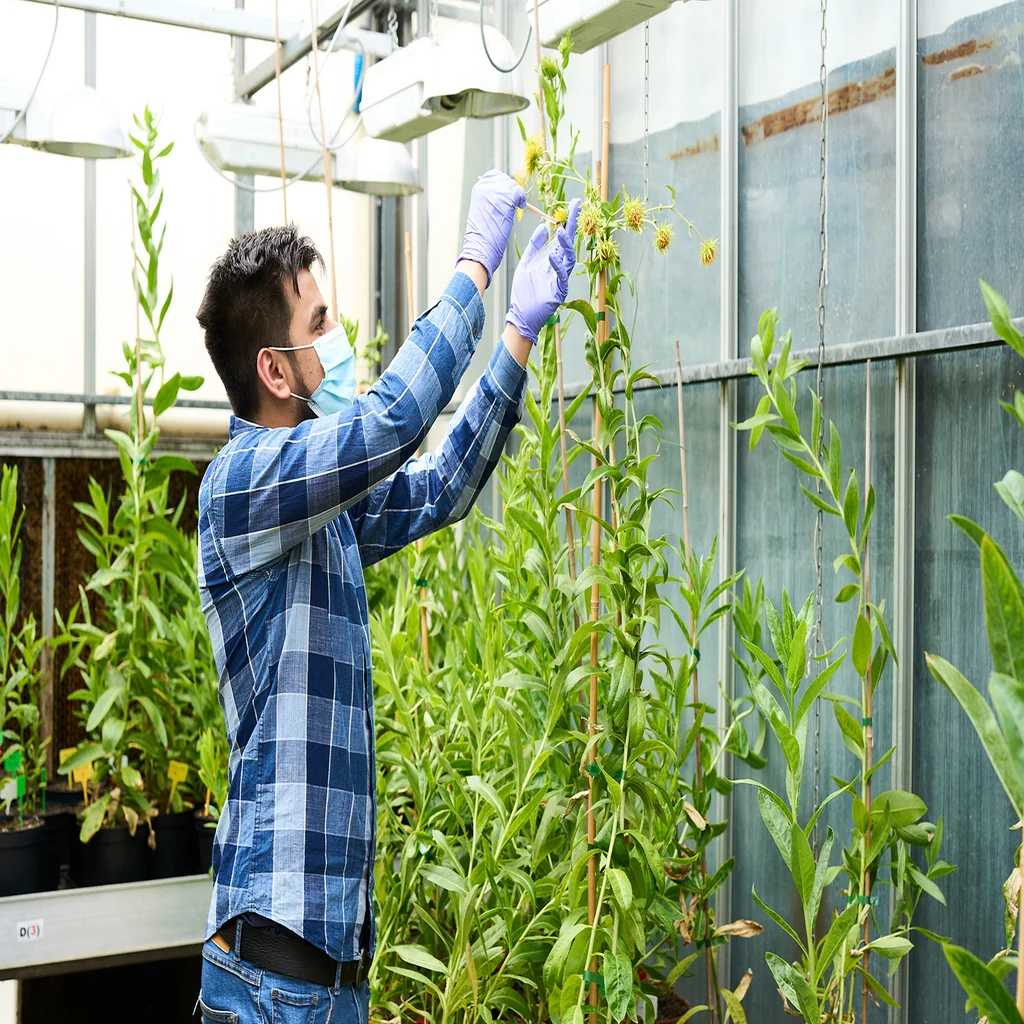
“It’s important because we need a lot of metal, especially for the energy transition in batteries in electric vehicles,” says Fabien Koutchekian, cofounder and CEO of Genomines. “Not only in batteries, but [nickel is] widely used in stainless steel as part of infrastructure. The problem is that with current traditional mining methods, we will not be able to produce enough.”
It’s getting harder to find nickel ore to mine. Most of it comes from Chinese-run mines in Indonesia; high-grade reserves, used to make stainless steel, could be depleted there before the end of the decade. Lower-grade ore used in batteries might run out by midcentury.
Nickel also exists in soil. But until now the concentrations have been too low to make extraction viable. The plants change the economics.
“The plants that we are using have the ability to concentrate the metal that they find in the soil—they concentrate it in their biomass,” Koutchekian says. “We’ve managed to reach close to 7.6% metal within the plants.”
The company’s pilot site in South Africa sits on land that’s relatively high in nickel because of the way rocks naturally weathered in the area. That means it can’t be used for farming, because other plants can’t grow well. But it’s ideally suited for a phytomine.
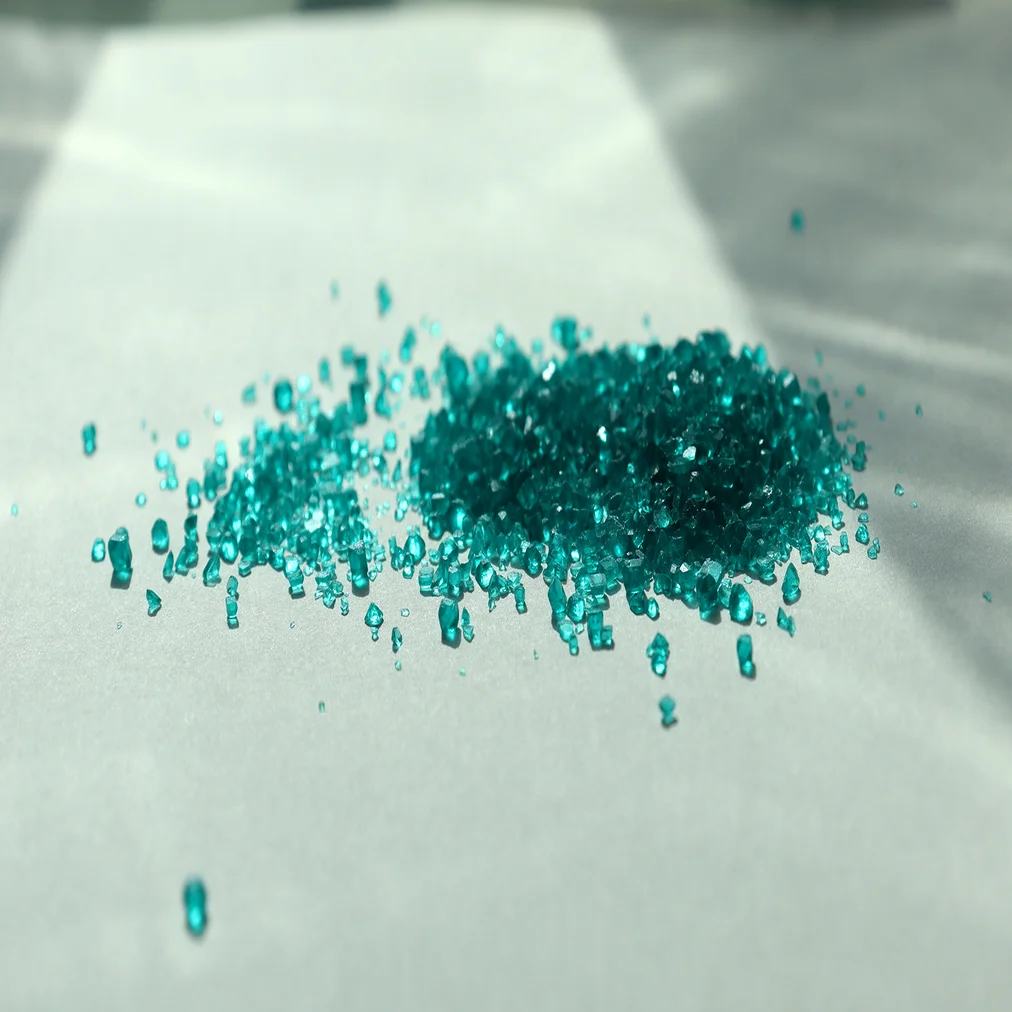
The crop grows within four to six months, absorbing the metal. Then it can be harvested, dried, and heated to produce battery-grade nickel oxide that can be sold and refined.
It’s inherently far more efficient than the existing system. Building a traditional, multibillion-dollar nickel mine involves not only a decade-plus of exploration, but another decade-plus of construction. “They’re the size of small cities,” Koutchekian says. Once they’re operating, traditional mines also have to move tons of rock to extract a tiny fraction of metal.
Using agriculture to get the material means that minimal infrastructure is necessary, and a system can be up and running in a year or two. Unsurprisingly, operations take far less energy than traditional mining. Since the plants also help capture CO2 as they grow, the whole process is actually carbon neutral. And instead of destroying ecosystems by blowing up habitat and creating new pollution, it helps remediate soil.
Sustainability isn’t the main motivator for its potential customers, Koutchekian says. Instead, they’re interested in cost: The approach saves so much energy that the product could be meaningfully less expensive than the status quo. The company expects to produce nickel oxide at around $10,000 per ton, versus an industry median of around $16,000 per ton (by the end of the decade, the average cost may rise to $19,000).
With the new round of funding, led by the MIT spinout Engine Ventures, Genomines plans to use pilots to prove that its process is cost competitive. Then it will keep scaling up. The potential is large: The team has estimated that around 30 million to 40 million hectares of land worldwide contain sufficient nickel for the process. In theory, if all of that land was in use, the company says it could produce 7 to 14 times as much nickel as the traditional industry does now.
Related Posts

A millennial who’s tried more than 30 side hustles shares the most lucrative, the biggest flop, and the easiest way to get started
Cody Berman, a serial entrepreneur and the author of "Retire…

3 ways philanthropy needs to embrace risk to better meet the moment
Five months into its second term, the Trump administration has…

Movie theaters are having their best Memorial Day weekend ever
Stitch in the live-action remake of "Lilo & Stitch." Disney…