A breakthrough treatment for the deadliest form of skin cancer can cut a patient’s risk of recurrence or death nearly in half.
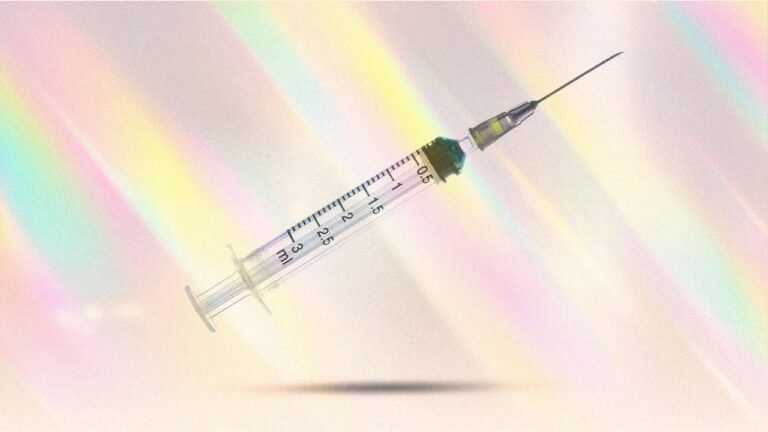
The new scientific revelation is powered by an mRNA-based vaccine crafted with the technology behind both Pfizer and Moderna’s landmark COVID-19 shots. By using mRNA (messenger ribonucleic acid), the vaccine can be customized to the genetic profile of an individual patient’s skin cancer, fighting tumors much more effectively than generic traditional methods.
“For decades, cancer treatment has largely been defined by where a tumor originates in the body,” Melanoma Institute Australia professor Georgina Long, the study’s principal author, wrote in the announcement. “The [clinical trial] findings support a fundamentally new and individualized approach to treating resected melanoma . . . one that tailors treatment to the unique mutational signature of a patient’s tumor to enhance an anti-tumor immune response.”
Pharmaceutical giants Merck and Moderna published the results on Thursday, demonstrating that an mRNA vaccine combined with infusions of the existing drug Keytruda lowered the risk of melanoma returning or a patient dying from their cancer by 42%. The vaccine, which has yet to be branded, is known as intismeran for now. The results of the clinical trial will be shared in full on Saturday in Spain with the European Society for Medical Oncology. The randomized Phase III trial involved 1,137 patients who had their melanoma removed through surgery but were at high risk for the cancer returning.
In the trial, patients in the experimental group received treatment with intismeran combined with Keytruda, while patients in the control group received Keytruda paired with a placebo. The trial lasted around one year, “until disease recurrence or unacceptable toxicity” in the enrolled patients. The researchers focused on recurrence-free survival as the study’s primary outcome measure, defined by how long patients in the trial went until their cancer returned.
The near future of cancer treatment
While the new cancer research focused on the efficacy of an mRNA vaccine for melanoma, researchers are currently exploring the technology for other life-threatening forms of cancer, including lung, breast, prostate, pancreatic, and brain cancer.
Vaccines made with mRNA showed promise for treating breast cancer in a preliminary clinical study published earlier this year. In that smaller trial, 10 of 14 patients with aggressive breast cancer remained cancer-free and showed signs of immunity after being treated with a personalized mRNA vaccine.
The mRNA vaccine for melanoma stands to revolutionize skin cancer treatment, but fickle investors betting big on scientific gains still weren’t satisfied.
Moderna shares more than doubled in mid-August after the company first hinted at the trial’s success. Before the full results were published, the company’s stock had already climbed to four times its midyear value on the cancer vaccine’s promise alone. After the trial’s results were leaked online on Thursday, Moderna stock fell by around 15%, leading Moderna and Merck to release the full findings prior to Saturday’s oncology conference.
The results may not have met investors’ sky-high hopes, but the scientists and drug developers involved struck a very optimistic tone about the trial’s implications for future cancer research. “From the beginning, we believed mRNA technology could make it possible to develop cancer treatments uniquely matched to each patient’s tumor,” Moderna CEO Stéphane Bancel said in a press release on the melanoma trial. “These results reinforce our conviction that mRNA has the potential to fundamentally change how we treat cancer.”