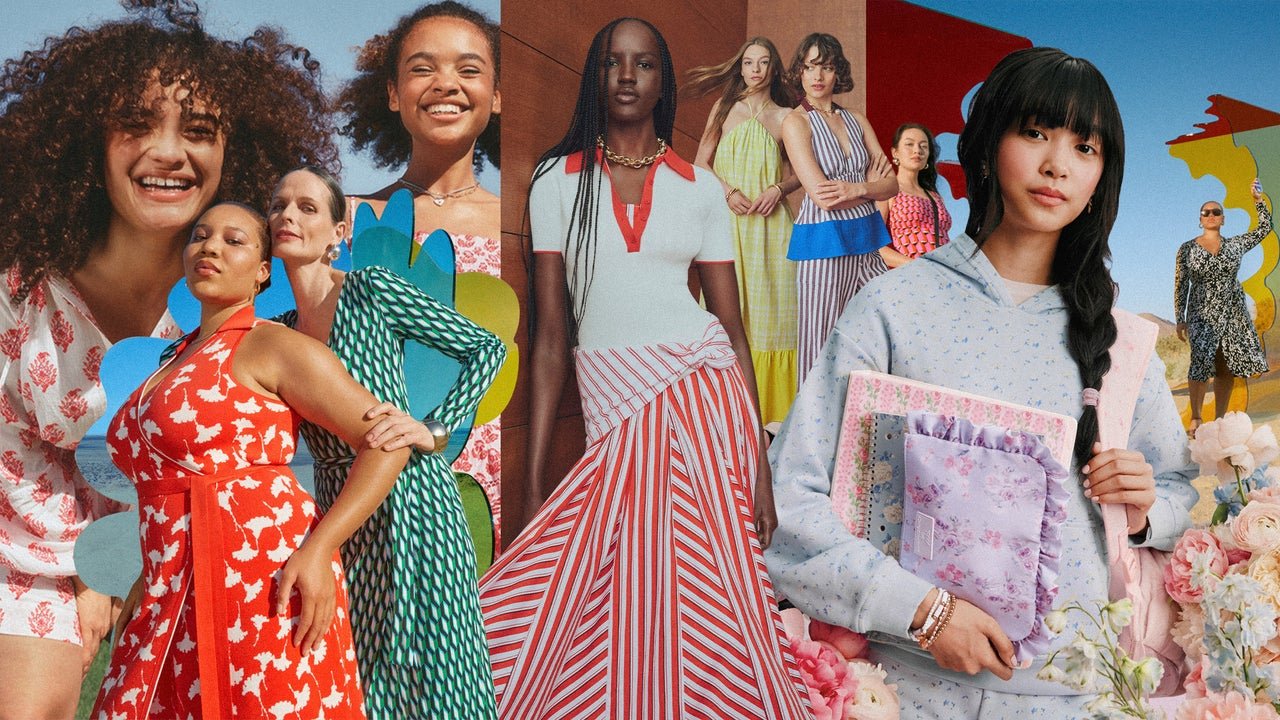
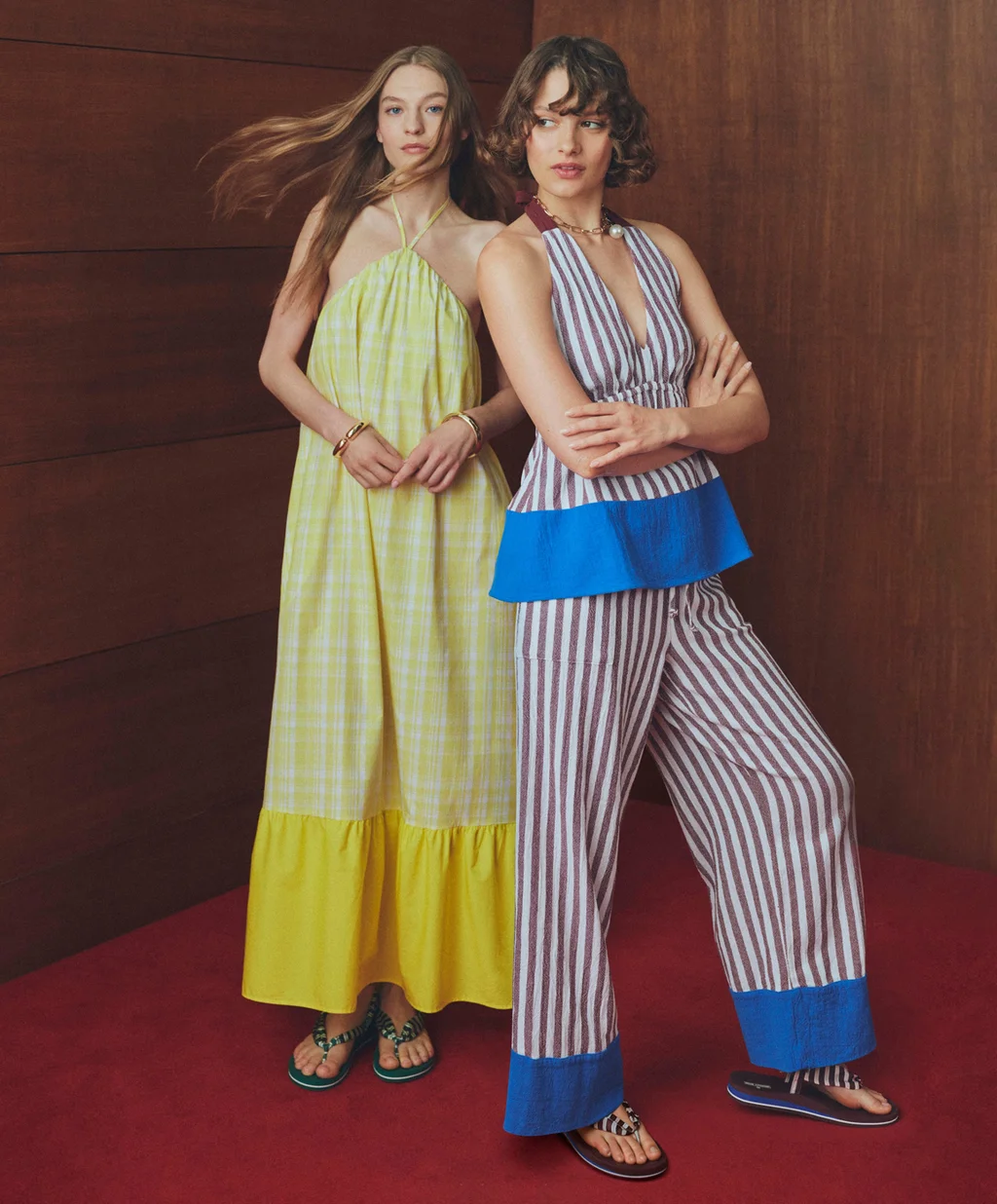
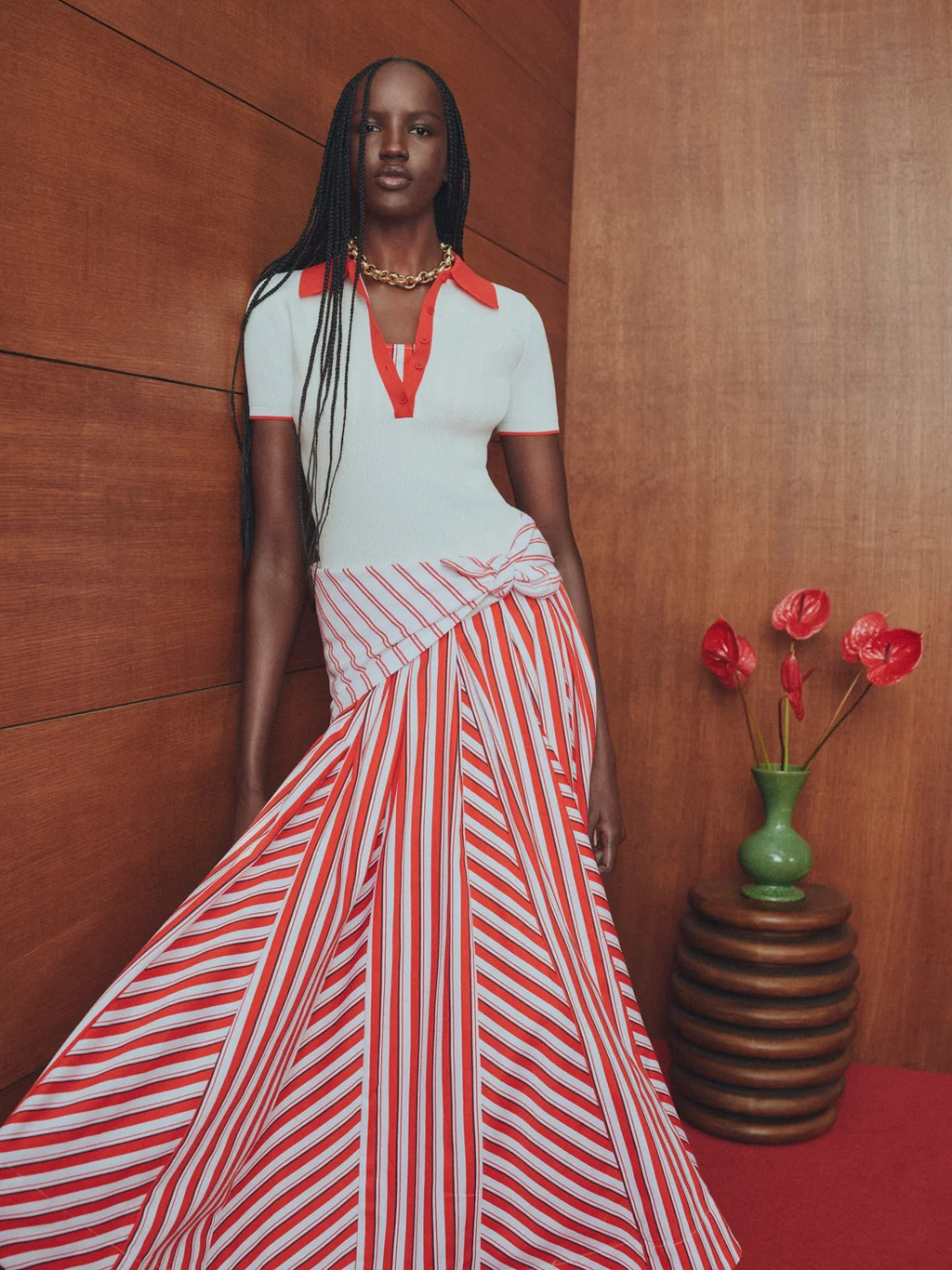
This weekend, Rosie Assoulin will do something she’s hasn’t done in 14 years of running her namesake label: sell a dress for under $50. The award-winning designer—a red-carpet favorite of Rihanna, Beyoncé, and Karlie Kloss for her sculptural silhouettes and joyful, saturated colors—is collaborating with Target on a collection of dresses, matching sets, handbags, and sandals.
Collaborations are nothing new for Target. The retailer practically pioneered the high-low designer collab, spending the early 2010s partnering with runway darlings like Rodarte, Proenza Schouler, and Jonathan Saunders on affordable collections. Shoppers lost their minds over these limited-edition drops: The 2011 Missoni collection crashed Target’s website, and the 2015 Lilly Pulitzer line sold out almost instantly.
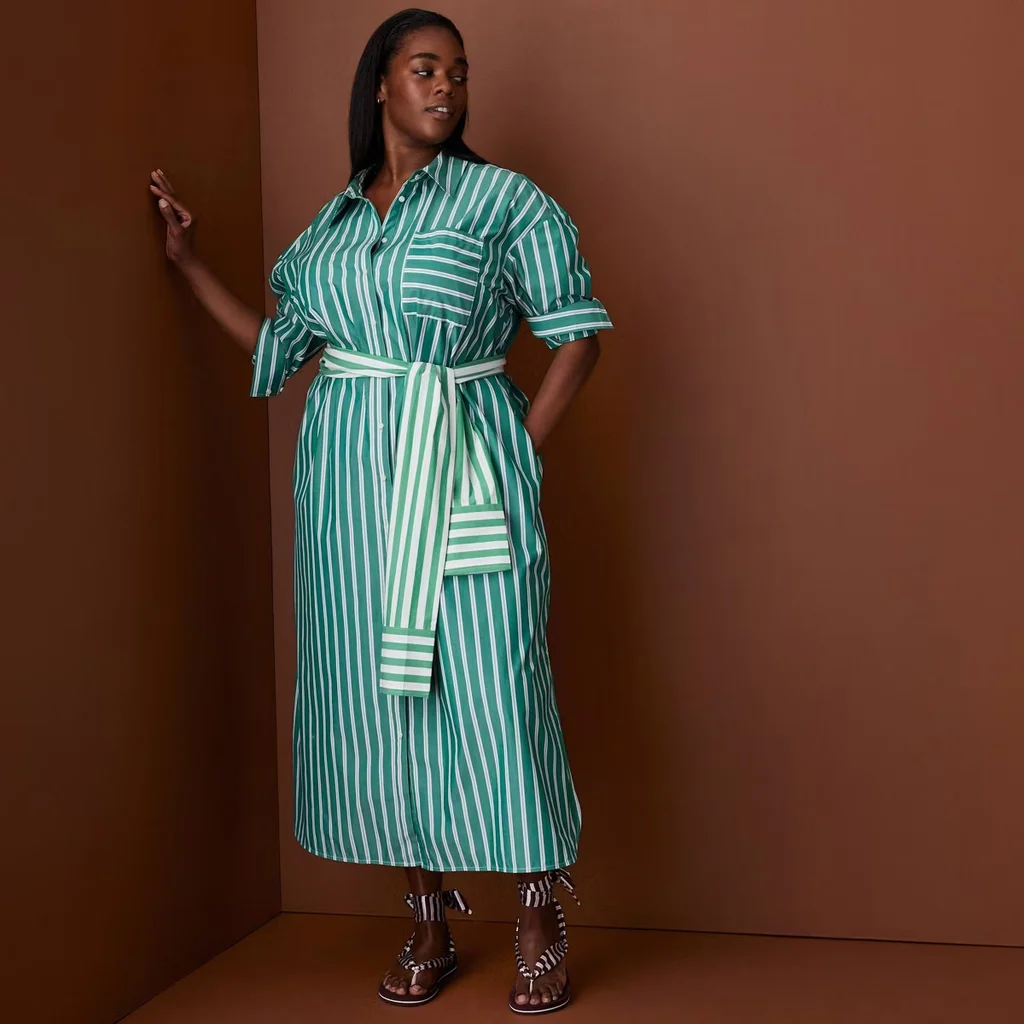
But over the past three years, as Target’s sales slid, the designer magic seemed to fizzle. There were still a few big-name swings—Diane von Furstenberg in 2024 and Kate Spade in 2025—but the retailer looked like it was losing its crown as the place to spot fashion’s coolest names at prices you could afford.
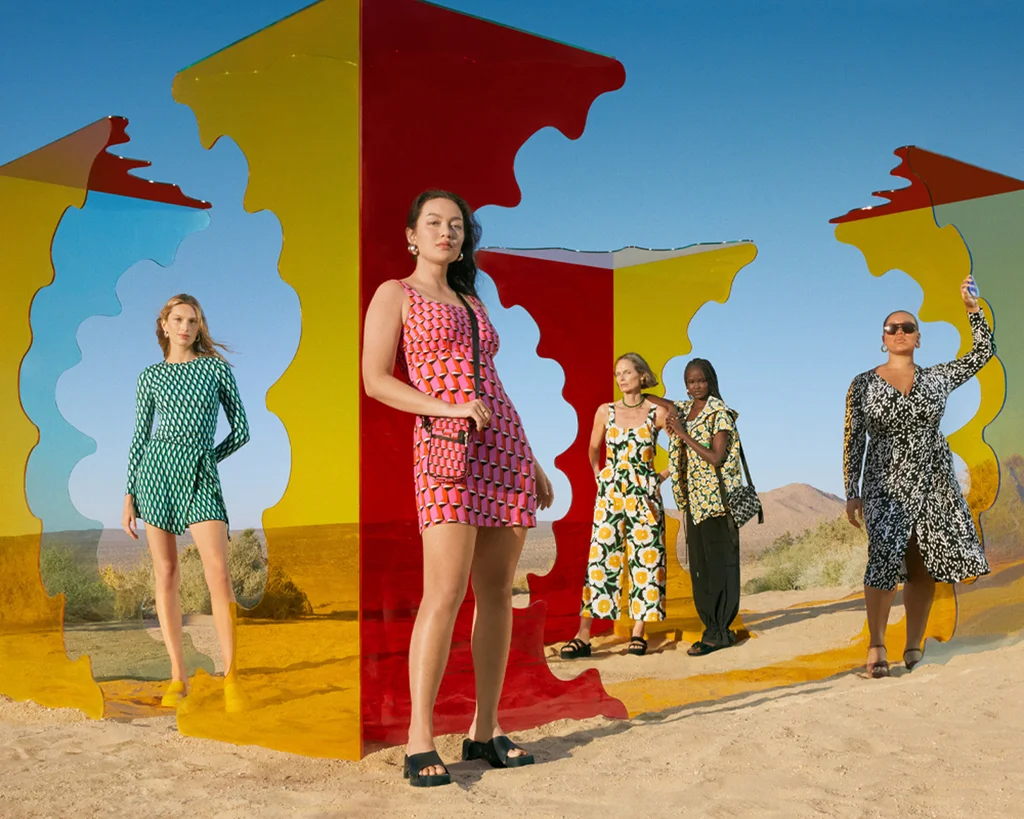
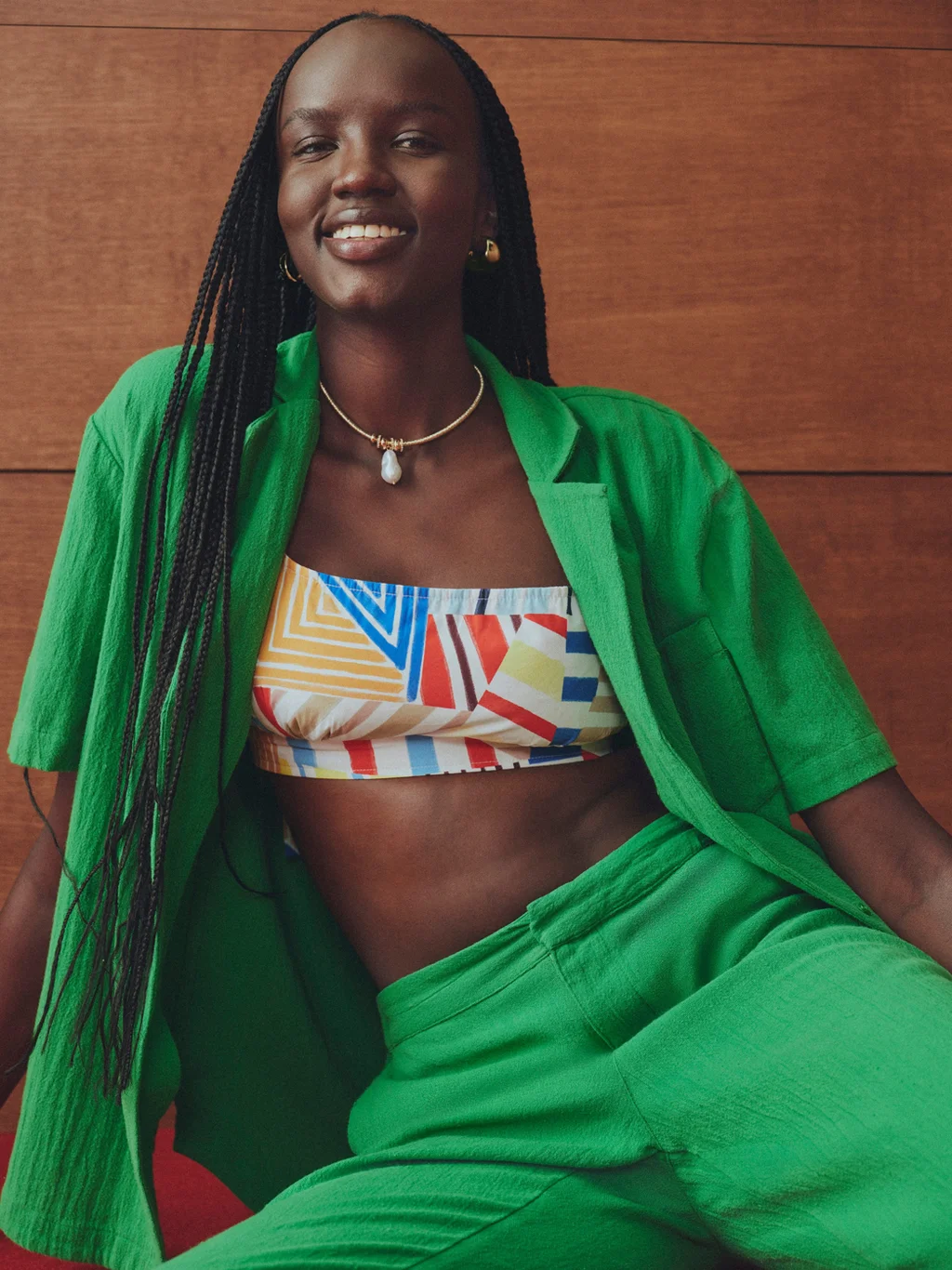
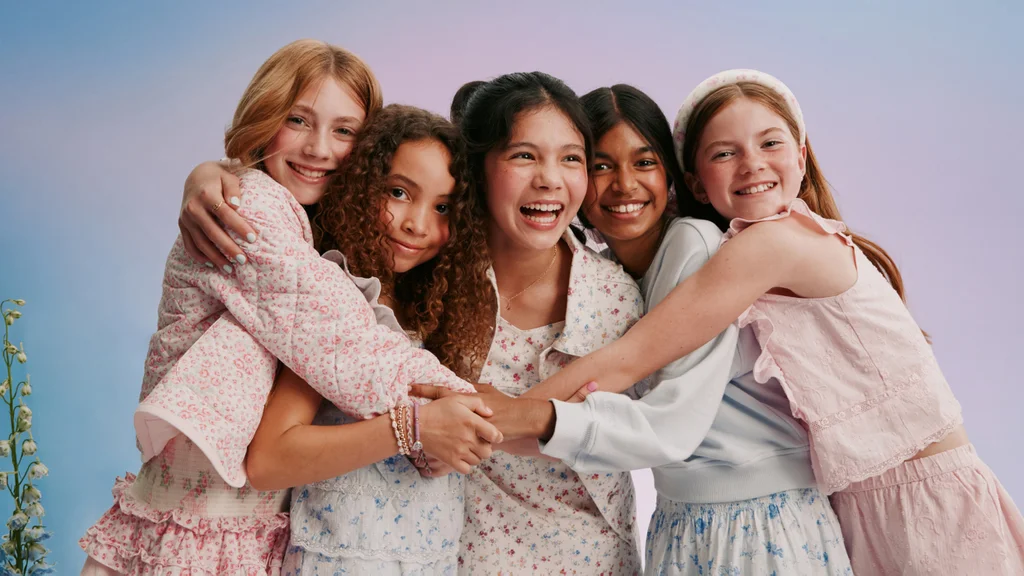
That might be changing. It’s only the middle of 2026, and already Target has collaborated with several fashion labels with cult fanbases, including LoveShackFancy and Roller Rabbit. Over in home, it launched a bedding line with the interior designer Jeremiah Brent—and, separately, coaxed the teen mall brand Hollister into home decor for the first time. And last month, in a full-circle move, Target tapped Isaac Mizrahi—the designer behind its breakout 2000s fashion line—as its first-ever creative director-at-large to advise its design team.
Target is gunning to win back its reputation as the place to discover fashion’s next big thing before anyone else. The question is whether the magic will work in this economy.
A New Team Betting on Design
This collab comeback isn’t a coincidence. When Michael Fiddelke took over as CEO in February 2026 after two decades at the company, he kept coming back to Target’s hard-fought reputation for good design. At Target’s investor day in March, he argued that winning back shoppers meant “democratiz[ing] great design” and becoming, in his words, “pacesetters of what’s cool.”
To pull it off, he restructured his leadership team. Cara Sylvester, a Target veteran who’d spent 18 years at the company, was named chief merchandising officer, with an explicit mandate to strengthen “authority in style and design” through merchandising, product development, and partner collaborations. Lisa Roath came in as chief operating officer, tasked with scaling the design focus across the entire company. In other words, Fiddelke now expects his top leadership to execute collaborations like the Rosie Assoulin one—and make them happen more often.
What’s notable about this era of Target collabs isn’t just the marquee names like Rosie Assoulin and Kate Spade; it’s the sheer range of smaller, weirder, more internet-native partnerships stacking up alongside them. On Target’s first-quarter earnings call this May, Sylvester told investors the company is increasing the cadence of its partnerships. “Not all of them have to be large,” she said. “Some can be small.”
Target had four such drops in the first quarter alone: a viral label called Parke founded by a TikTok star; the pajama brand Roller Rabbit, which has a cult following; a Pokémon collection; and a K-pop tie-in with BTS.
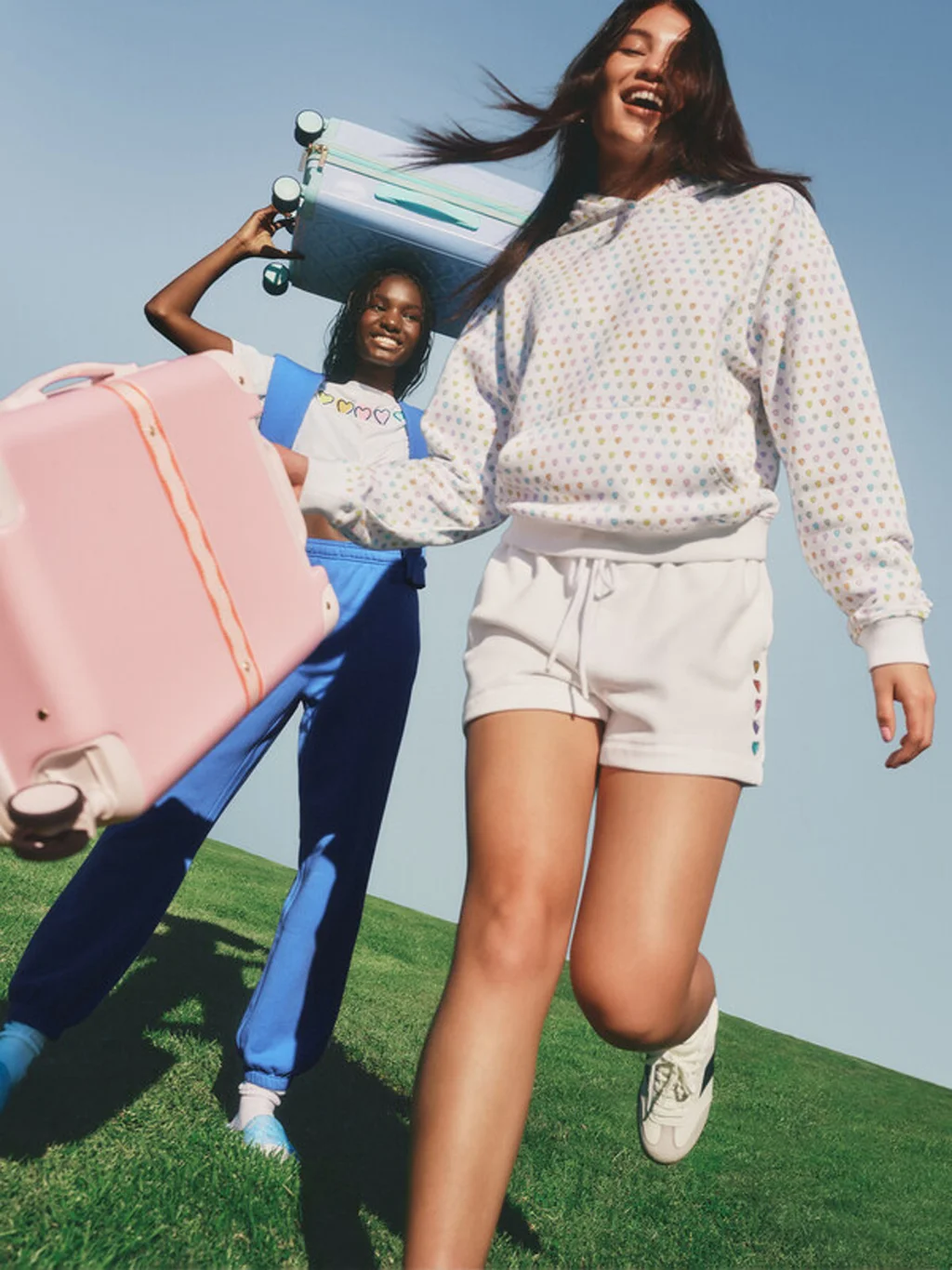
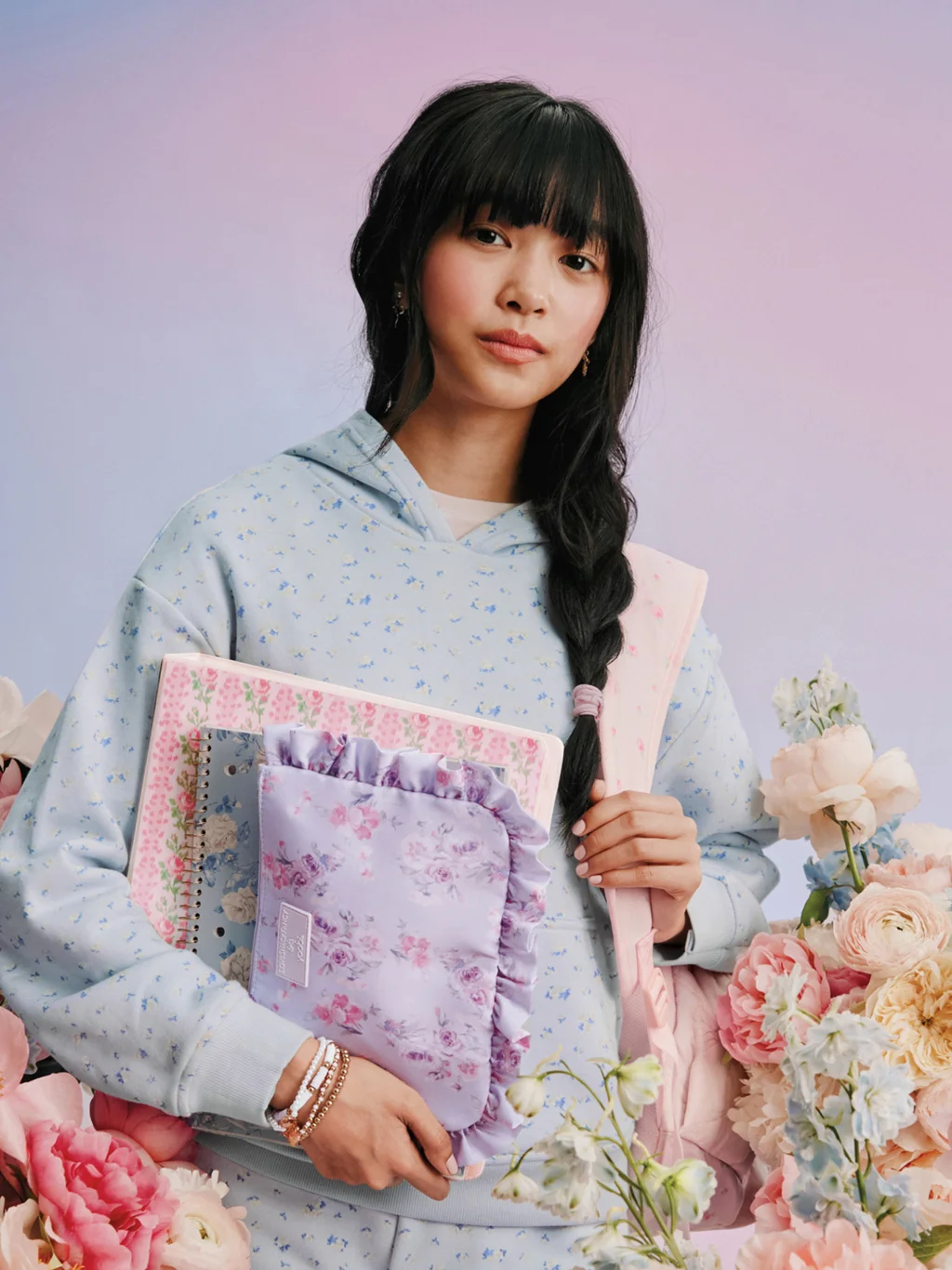
These collabs are happening across the store. Target partnered with Poppi, the prebiotic soda brand, to do two apparel collaborations: a colorful “Ultimate Serve” loungewear line in the winter and, this summer, a dorm collection of robes, throw pillows, and minifridges. There’s Bogg, the plastic tote bag beloved by moms on TikTok, teamed up with Target on an exclusive Bullseye-branded version of its bag. And there’s Parachute, the direct-to-consumer bedding label whose first Target capsule sold out so fast that the brand brought back a second, with a summer-themed collection in June.
None of these are traditional designer collaborations in the Rodarte or Proenza Schouler sense. But they follow the same logic: Find a brand with an obsessive, built-in fan base, and sell products at Target’s price point.
Can The Magic Work Again?
The problem is that Target’s collab comeback is landing in a difficult economy. Inflation is changing where, and how, people shop. Grocery prices are roughly 33% higher than they were in 2019. Grocery unit sales—the number of items in people’s carts—fell 1.8% in June 2026 compared with a year earlier. According to Bain, 80% of Americans are trying to spend less, with more than half of those trimming their bills by trading down to cheaper brands. So it makes sense that value-focused retailers like Walmart, Dollar General, and Aldi are thriving.
This presents a conundrum for Target’s design-forward pitch to consumers. The premise of a designer collaboration—even an affordable one—is that shoppers have some discretionary income to spend on something they don’t need. A $50 Rosie Assoulin dress is a bargain by luxury standards, but at a moment when many households are cutting spending on groceries and necessities, it may still seem like a stretch.
Another complication is that Target isn’t the only retailer that’s figured out shoppers want a taste of designer fashion without the designer price tag. And its biggest rival is closing the fashion gap fast. Walmart has spent several years trying to establish its own fashion credibility. In 2019 it tapped Brandon Maxwell—a red-carpet favorite of Lady Gaga and Michelle Obama, and a former Project Runway judge—as creative director of two private labels, Scoop and Free Assembly. It has been partnering with celebrities like Kacey Musgraves and Sofia Vergara on fashion lines.
Walmart positions itself differently from Target. Where Target has led with design first and price second, Walmart’s fashion push rides on top of its long-standing history of offering rock-bottom prices. And in a trade-down economy, that reputation is an asset.
But there’s a twist that could work in Target’s favor. The shoppers trading down right now aren’t just budget-strapped families; they increasingly include people who’d never set foot in a dollar store a few years ago. The share of households earning over $170,000 that shop at discount retailers jumped from 20% to 28% in just four years, and even six-figure earners are now stretching their grocery budgets at Walmart, Aldi, and Dollar Tree.
For that affluent, design-literate shopper—the one who might otherwise have paid full price for an actual Rosie Assoulin dress—a limited-edition collaboration allows her to achieve the same aesthetic at a fraction of the cost. Whether that’s enough to offset a broader pullback in discretionary spending is an open question.