Amazon
- Amazon Web Services has made a $1 billion bet on FDEs.
- Finding the right workers isn’t easy, an Amazon exec told Business Insider.
- “These are unicorns,” the exec said.
Forward-deployed engineers are one of the hottest jobs in AI. Finding them isn’t easy.
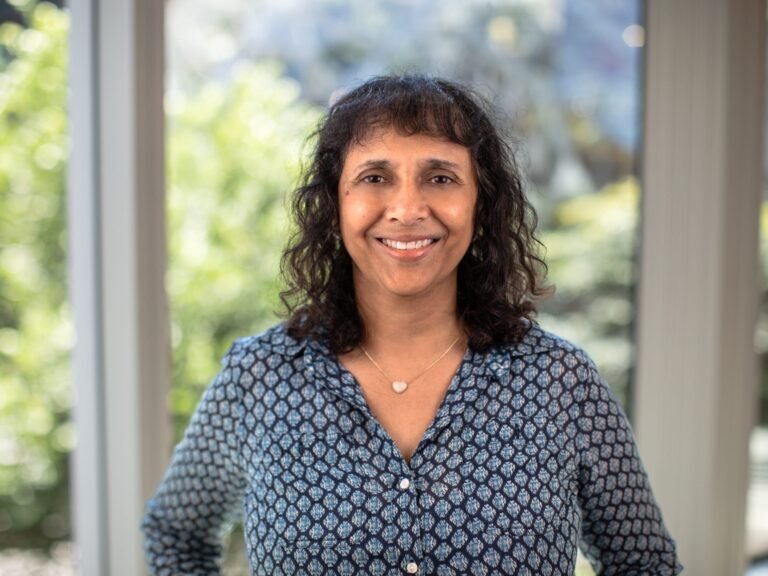
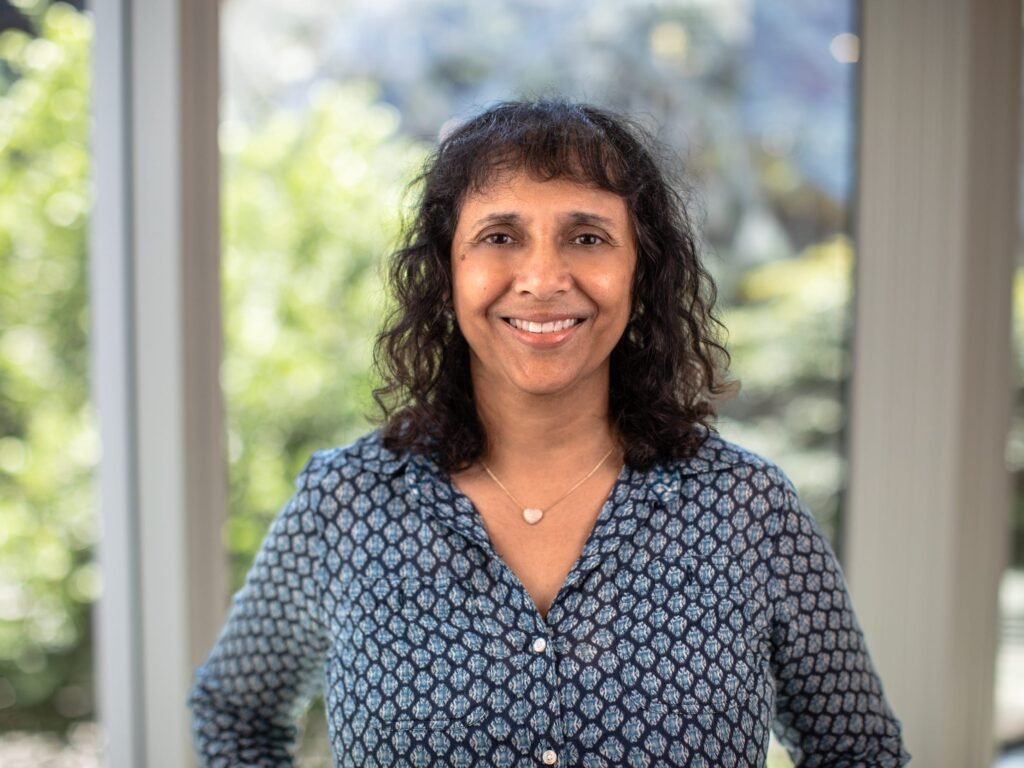
“These are unicorns,” Asa Kalavade, vice president of forward-deployed engineering at Amazon Web Services, told Business Insider.
Like its rivals, Amazon has made a big bet on the future of FDEs. In June, AWS announced a $1 billion investment to create a dedicated AWS FDE organization.
Popularized by Palantir, FDEs are often embedded with companies to integrate AI into their workflows and to build more customized solutions.
Anthropic, OpenAI, and Microsoft have announced major initiatives in recent months to compete for the lucrative enterprise AI business. Forrester estimates that between May and July alone, the three companies and Amazon pledged roughly $9 billion to FDE-related ventures.
“FDE hiring is sort of the rage in town these days,” Kalavade said. “Everybody wants to be an FDE.”
Amazon is being selective as it builds the team, Kalavade said, initially focusing on engineers who can hit the ground running.
“Our initial seed is what I call the insurgents, the frontier engineers who’ve been there, done this before,” she said.
Kalavade said it’s “a really hard role,” and that those best positioned to succeed have a startup mindset. She said Amazon is essentially looking for three things: a product customer mindset, deep software expertise, and agentic experience.
“Different people will have different strengths, but at the end of the day, that’s the package that we think makes the most successful FDEs,” she said.
Part of the issue, Kalavade said, is that colleges and universities are still developing FDE training programs. She said that recent groups of applicants have improved, especially in their familiarity with AI.
“The batch that came out this summer was the first one that grew up with more AI native thinking,” she said.
Kalavade said AI models alone can get customers “halfway,” but she said FDEs are needed to turn that into a customized solution.
“Anyone can build an agent now, but how do you make sure the agent has the right guardrails?” she said. “How do you figure out, ‘OK, what’s the best underlying model that I can use from a cost-based perspective?’ What do I need to do to update to the next model? How do I make sure that the right security policies are applied? So all of those things are areas that are needed around the model.”
Amazon wants to make AI integration easier, Kalavade said, while also making sure companies can become more self-sufficient.
“We want them to look and co-build with us for one or two, or six months,” she said, “but then the only way we can create long-lasting change is if they co-build and they adopt these methodologies to do more.”