Completing a Panini stickers World Cup album is like a scavenger hunt.
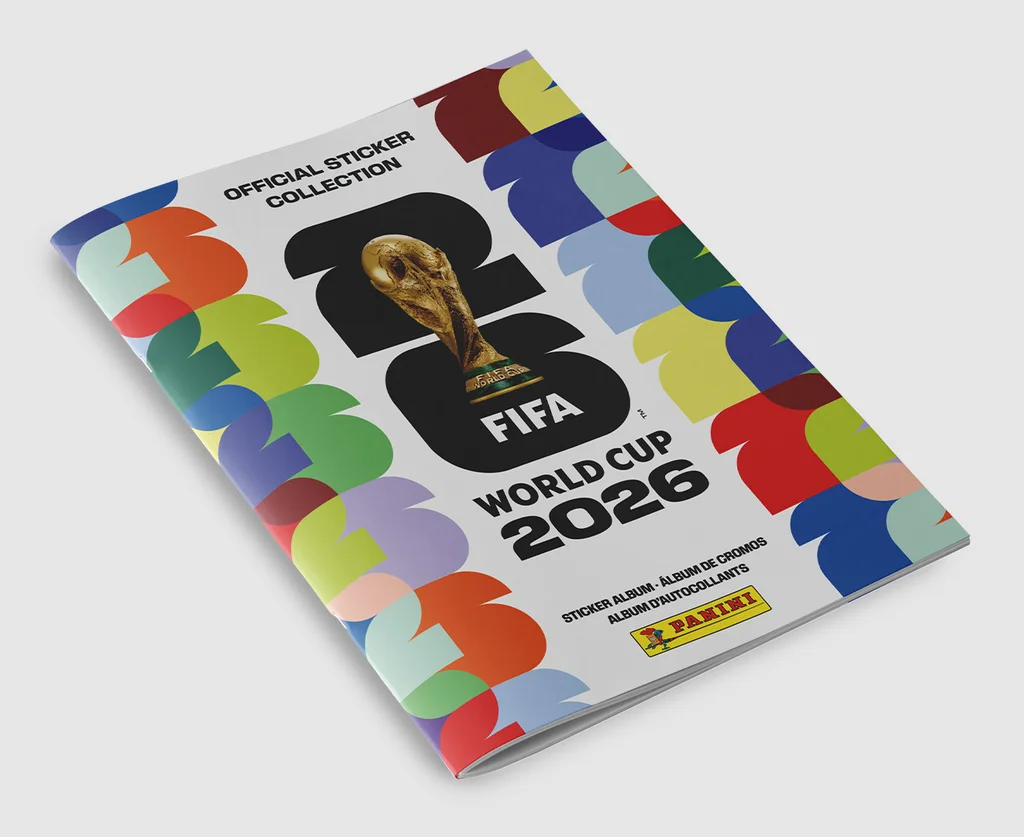
Fans tear open blind packs of seven stickers, hoping for players they haven’t found yet and trading the ones they already have. The stickers—each 1.9 by 2.5 inches and featuring a player’s photo—are then pasted into a 112-page sticker book with designated spaces for each player and team.
The goal? Find each of the 980 stickers.
Panini’s sticker craze has long been a FIFA fandom tradition, captivating fans across Europe and Latin America since Panini first partnered with FIFA for the 1970 World Cup in Mexico. Collectors swap anywhere from Italian cafés to English schoolyards. During the 2022 World Cup in Qatar, Argentina sold out of presale stickers in just one hour.
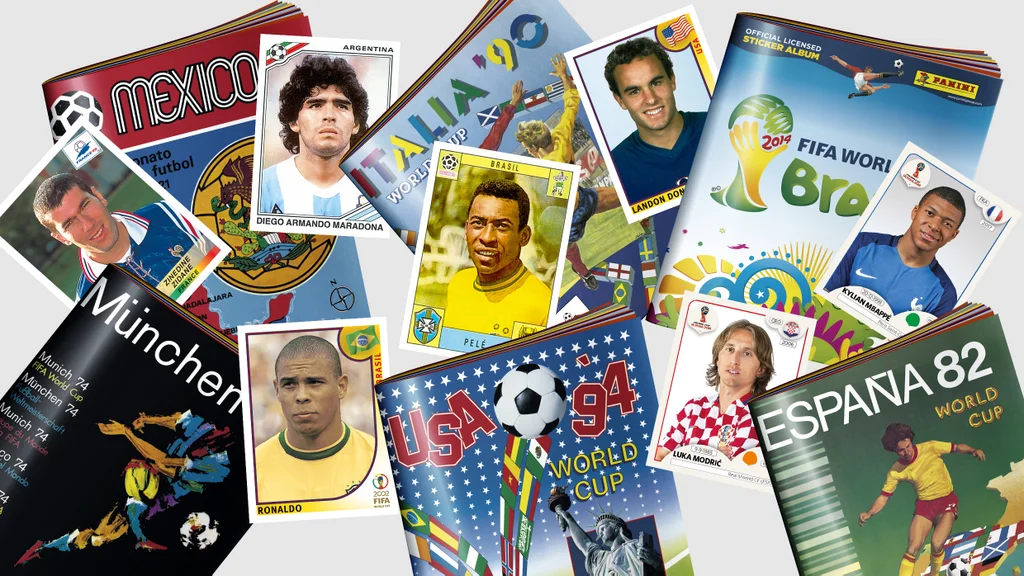
But much like soccer itself, Panini’s stickers have never taken off in the U.S.—until now.
As the World Cup comes to America, Panini is capturing the opportunity to expand to a new audience with nationwide trading events and a first-of-its-kind collaboration with Coca-Cola.
“This year, we set our sights on something bigger,” says Jason Howarth, Panini America’s senior vice president of marketing and athlete relations. “We knew everybody would be paying attention, and not just die-hard soccer fans.”
Paste the feeling
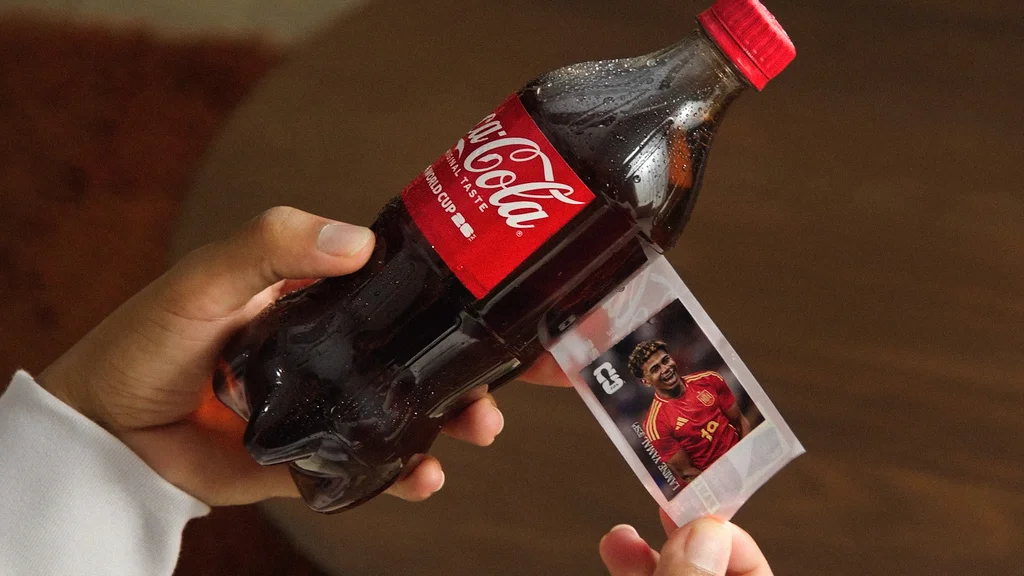
In March, Panini America announced it would place FIFA stickers underneath labels on nearly 400 million 20-ounce Coke bottles. Collectors peel back the film to reveal their card, though a perfectly tilted angle and good lighting might give it away for cost-conscious customers.
The special edition bottles are sold across retailers like Walgreens and CVS, and are available at World Cup matches and fan events.
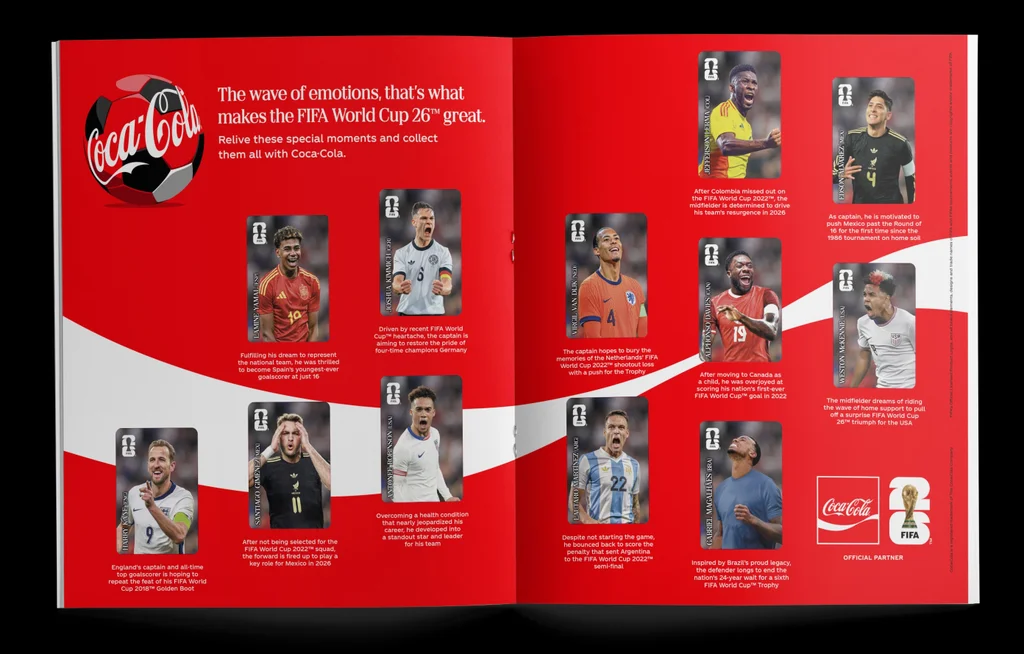
“It’s not simple, especially with the scale and the velocity of our production line,” says Miguel Saucedo, Coca-Cola’s senior director of marketing activation for the 2026 World Cup. “So we made sure this was perfectly executed, and it was done in a very fan-centric and consumer way.”
Saucedo says a priority was to include both international stars and players from the U.S., Canada, and Mexico—celebrating the diverse North American fandom.
Panini also partners with Adidas, Home Depot, and the personal health giant Unilever. At Unilever’s House of Fresh World Cup popups in New York, Miami and Mexico City, attendees made personalized Panini stickers.
Transitioning tradition
For decades, sports trading cards have been a big American hobby and investment market. Topps, the exclusive producer of Major League Baseball cards, is valued at roughly $500 million.
Panini is trying to replicate the success that sports card collecting has seen in the U.S., but with stickers.
In 2022, the brand introduced different colored borders—white, blue, red, purple, green, and black—to their U.S. FIFA products. The borders signify the sticker’s rarity. While stickers with blue and white borders are relatively common, a black-bordered sticker is the only one of its kind. A 2022 black Lionel Messi sticker sold for a record $139,200.
But unlike American sports cards, which fans encase in plastic albums for protection and safekeeping, Panini customers peel and paste the sticker to a catalog. Once a sticker is stuck, it loses its value, so consumers need to be careful with rare stickers.
Ensuring the stickers have as much value as possible is a game of prediction for Panini. Panini’s stickers go to press before the World Cup rosters are finalized. Panini releases another set of stickers to ensure the most exciting players have a spot in the catalog.
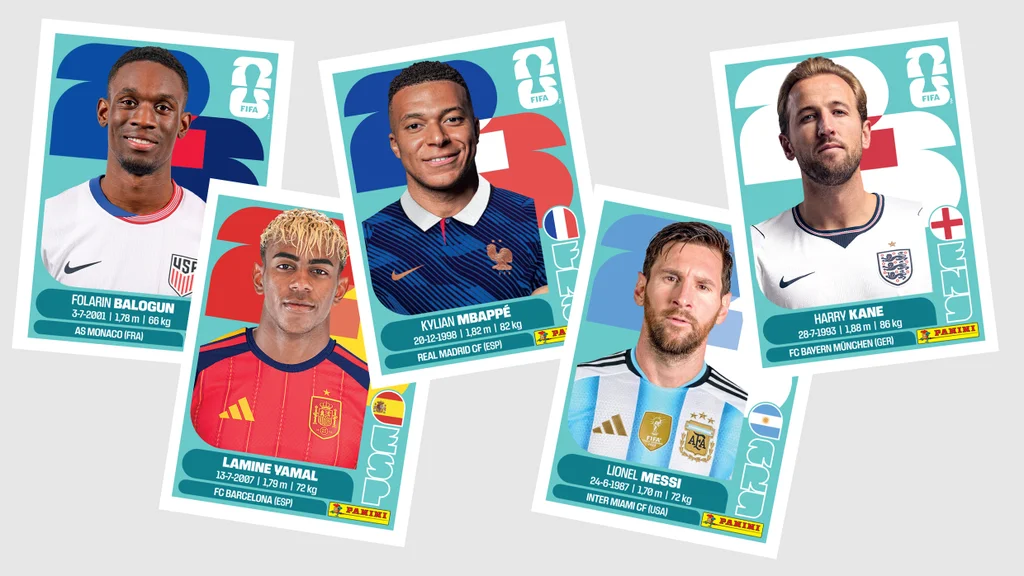
An international phenomenon with a community focus
Panini hosted sticker swap events and gave out 10 million free sticker packs across the country to excite American collectors. The official Panini sticker truck parked at New York City’s Rockefeller Center on June 4. It will stay there during the NYNJ World Cup 26 & Telemundo Fan Village, which runs through July 19.
This year is the fifth World Cup with Panini for Howarth, the senior marketing VP, and he says he is amazed at how the trading culture has taken off. He loves seeing fans connect over soccer.
“I’ve had some friends say how they have been carrying stickers on planes with them, and every time they see a little kid with a soccer jersey on, they’re handing them sticker packets,” says Howarth. “Those are just the things that, like, no one sees, but everyone loves, and makes the collection so much more special.”
Related Posts
I went from consulting to being the CEO of Pittsburgh’s airport. Here’s what passengers don’t see.
Christina Cassotis worked in consulting for years before becoming an…
Rising unemployment rates for Black women sparks calls for change
In a packed room at a library in downtown Boston,…

SpaceX IPO: What we know about the initial public offering as the eagerly awaited stock listing date nears
With some of the largest and most influential tech giants…