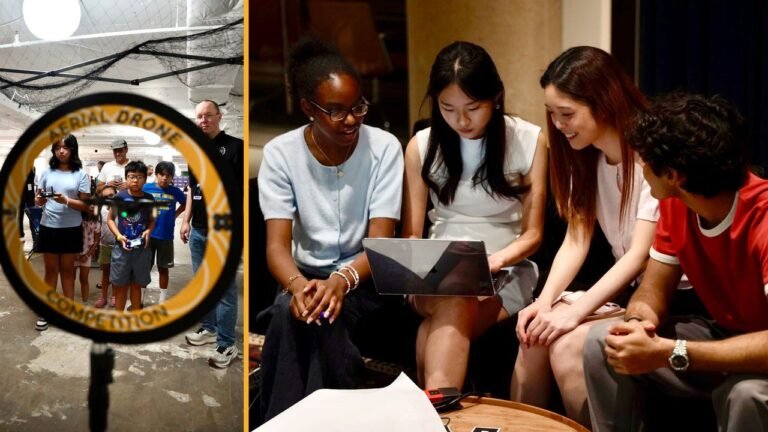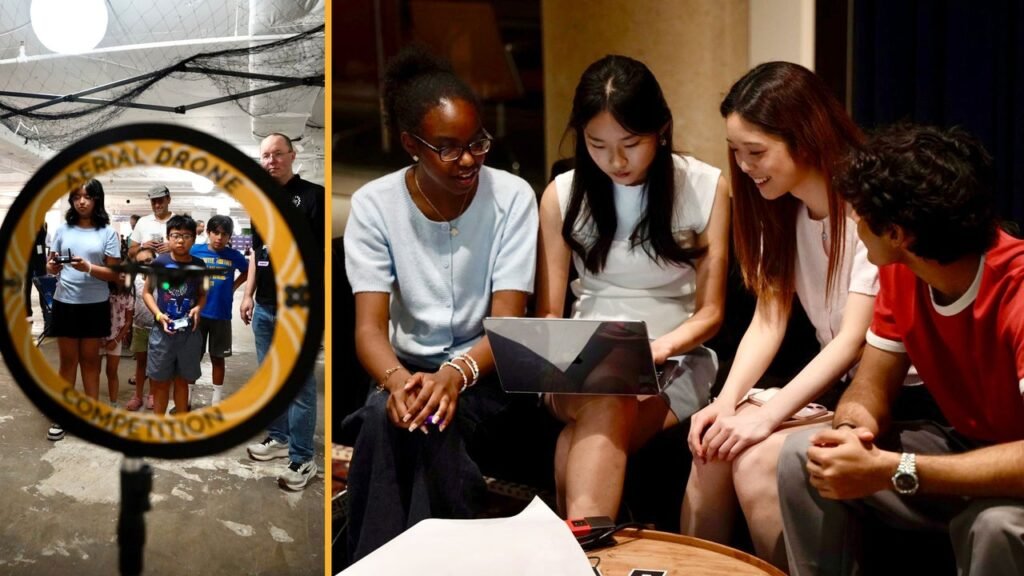
In 2023, the National STEM Challenge launched with a goal of attracting students to technical fields—including those who wouldn’t have necessarily seen themselves as traditional science types.
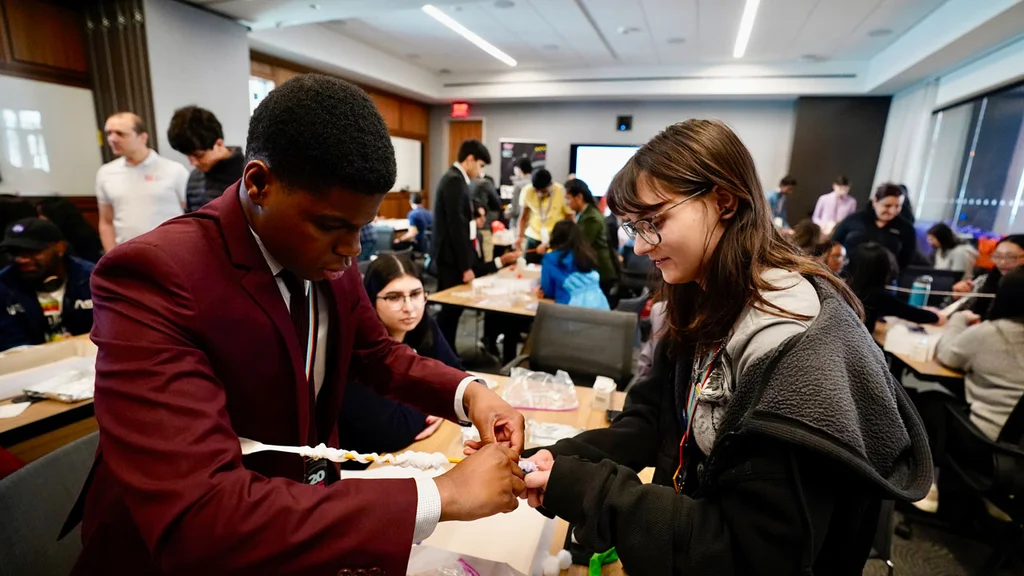
Roughly three years later, the event—now known as the National STEM Festival—has drawn students from across the country to present innovative projects at its annual gathering in Washington, D.C. The festival, run by the educational media company Explr, has also provided connections with business leaders and public officials for students looking to explore what careers in science might look like for them and how they can take their projects further, whether that means additional research or filing for intellectual property protection.
“We’ve been able to connect students with leaders and mentors and just bigger opportunities, so that they could develop their ideas even further,” says Kari Byron, who cofounded Explr and is a former cast member of TV’s MythBusters.
Now, the festival is planning to expand abroad, starting with an inaugural United Kingdom festival slated for May 2027. The U.K. event is open to students between 13 and 19 from England, Scotland, Wales, or Northern Ireland, who can apply by November 22 to participate. Up to 40 will be chosen to present their work at the festival in London. As in the United States, part of the goal is helping make STEM fields accessible to people from a variety of communities and backgrounds, so travel and accommodations will be paid, says Jenny Buccos, Explr cofounder and CEO. Students will have the chance to meet a range of potential mentors and supporters.

“Very much like the U.S. has federal government participation, one of our events is taking place at the House of Lords,” Buccos says.
In the U.S. festival, students have presented projects ranging from a machine to recycle waste plastic into 3D printing filament to to a pill-counting app aimed at pharmacies with limited resources that lack traditional pill-counting machines. In the 2026 festival, which took place in June, about 42% of projects involved artificial intelligence to some degree, according to Explr data, though only about 13.6% were primarily focused on AI and machine learning itself, suggesting students aren’t simply following the latest trends.
“The projects are increasingly showing us what young people believe is worth solving,” Buccos says.
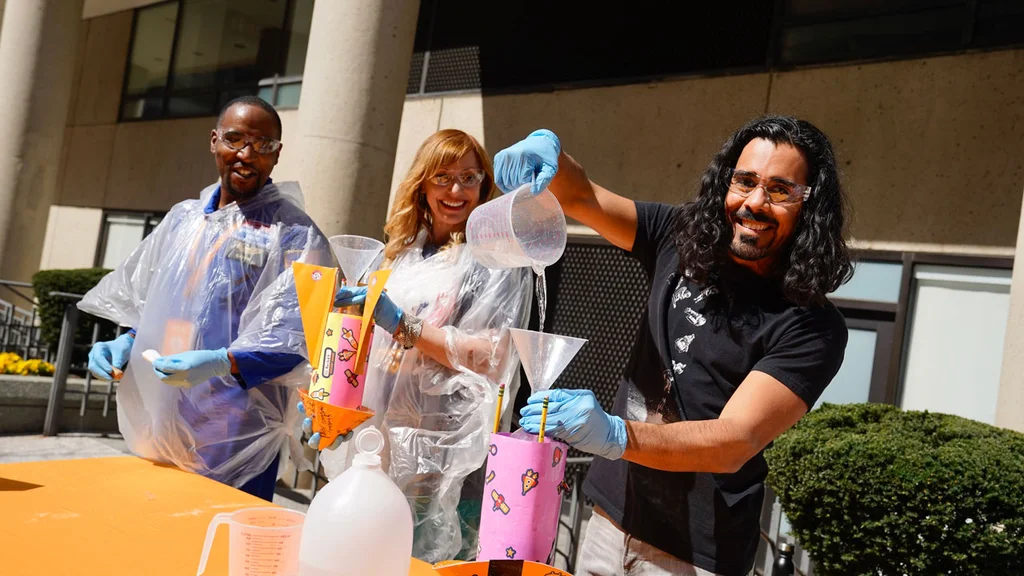
In addition to honing and showing off their scientific prowess, students receive help with networking and presenting their ideas, including via a science networking course offered through the festival, Buccos says. There’s even a podcast where some participants have discussed their ideas.
“We’re trying to go back and give them the skills that they can carry with them throughout their life, even if they choose to not go into a STEM career,” she says. “Being able to express your ideas and adjust it to an audience is really, really important.”
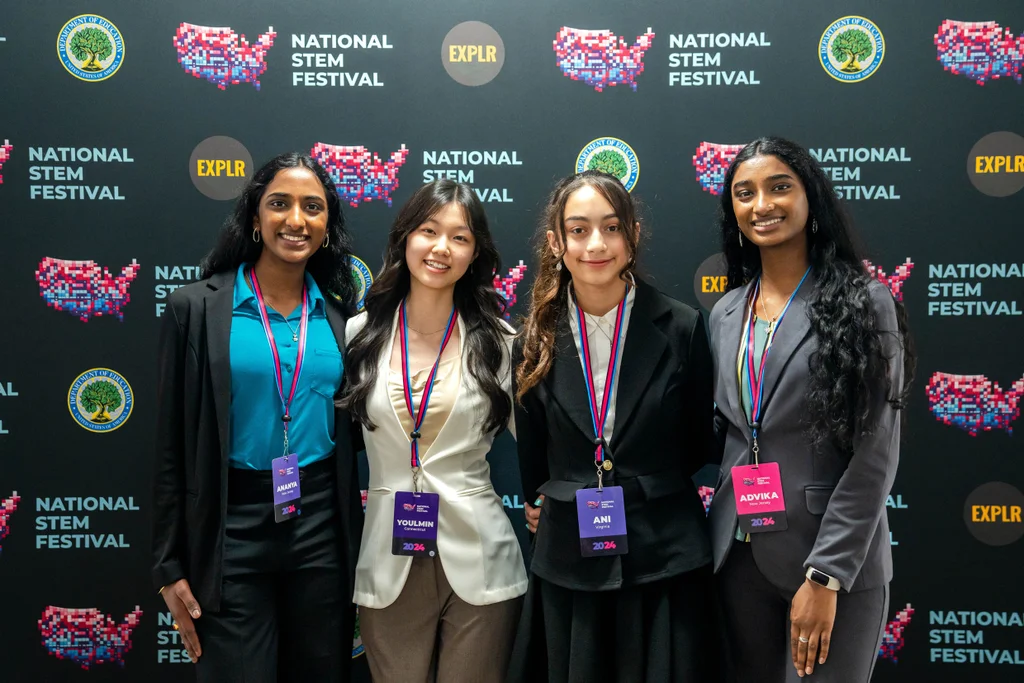
Students naturally connect with each other through the festival—“They started as strangers, and by the end, these kids are dancing, they’re singing Taylor Swift songs together,” says Byron, the Explr cofounder—and remain digitally connected after they return home. Some have come back to help the next cohort of students present their ideas, and they’ve offered feedback on the festival itself.
The events are unlikely to be limited to the U.S. and U.K. Plans are underway for a festival in Guadalajara, Mexico, in November 2027, and Explr is in early discussions about hosting a regional festival in the United Arab Emirates, focusing on the Middle East and North Africa.
“The idea is, we have the Olympics every four years,” says Buccos. “Why aren’t we having innovation summits like this for young people?”