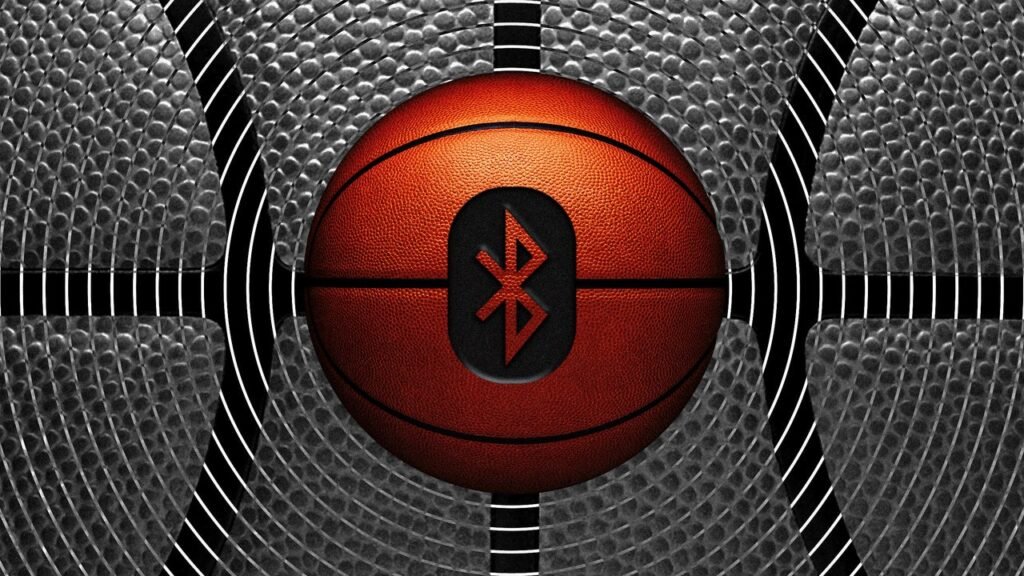
In a world where everything from refrigerators to toothbrushes can be connected, perhaps it’s unsurprising that smart basketballs are now in the mix. In this year’s NBA preseason, connected basketballs could be coming to a court near you.
This week, the NBA announced it’s experimenting with smart basketballs during select preseason games. (It will also distribute wrist wearables to the officiating crew that will track things such as replay reviews and scoring changes.) But it’s just a test for now. Nothing the balls capture will be used during the games, including to help officials make calls, the NBA says. The hope, however, is that players won’t know whether their basketballs are connected or not.
“We’re running a blind study, so players don’t know whether they’re using the [Wilson X] Connected Basketball or a standard Wilson Official Game Ball, and their feedback tells us whether the technology changes how the ball feels or performs in any way,” Tom Ryan, the NBA’s head of basketball research and development, tells Fast Company.
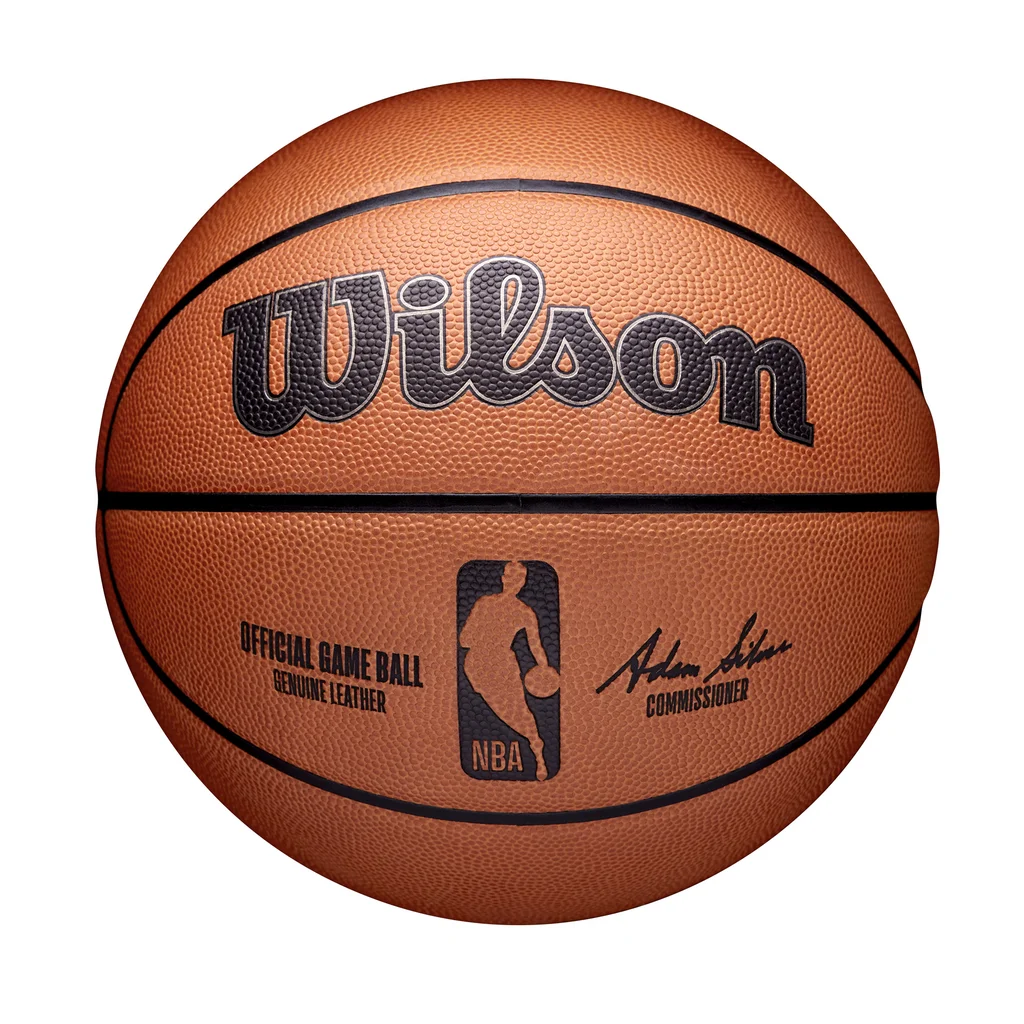
Wilson Sporting Goods designed the smart basketball, which looks indistinguishable from the outside. The company says it worked closely with the league to integrate sensing technology into the ball while maintaining the same performance, feel, and consistency that players expect.
The ball’s Bluetooth sensor is built into its air valve, and it adds about one gram (0.04 ounce), or just 1/600th of the ball’s total weight, according to the NBA.
The league first tested the ball during the 2025-26 G League season and the 2026 NBA Summer League. It works by transmitting data to a small number of antennas placed around the arena to provide real-time measurements for factors like acceleration. That’s combined with video and other sources to to help build models for real-time officiating. Adam Silver, the NBA commissioner, said AI-assisted officiating could mean calls like out of bounds and determining which team is in possession of the ball could all be automated.
This is what officiating increasingly looks like in the age of artificial intelligence, where AI-assisted refereeing and algorithms now make calls that mean the difference between victory and defeat.
AI or AI-assisted officiating is already in use in minor league baseball, NASCAR, for NFL first downs, and at the FIFA World Cup. Silver said in May that he believed automated refereeing could come to the NBA quickly and calls would be instantaneous, allowing human officials the ability to give more attention to subjective calls.
Smart technology in sports is not without controversy because of how it changes the dynamics of a game. During a World Cup match this past summer between Croatia and Portugal, a Croatian player scored what he thought was a game-tying goal, but the ball’s sensors ruled it was offside. “All these decisions take the joy out of football,” said the Croatian coach, Zlatko Dalić.
During the NBA preseason, Wilson says its focus is ensuring that the sensored basketball performs identically to the official NBA game ball, and its testing will include player and team personnel feedback.
“What the testing does give us is real-time impact data from live game action, which helps us build more accurate and reliable models for potential future use in officiating,” says Ryan, the NBA research head.
While the smart basketballs and wearables won’t be used in the regular season, their preseason pilot will give the NBA data about how well they work. Already, after the connected basketball was tested during the Summer League, players said they couldn’t tell the difference, the league says.
More positive proof that the Bluetooth-enabled basketballs work could pave the way for their wider adoption down the road. One day soon, NBA fans could find themselves yelling at the ref only to learn they’re yelling at a bot.