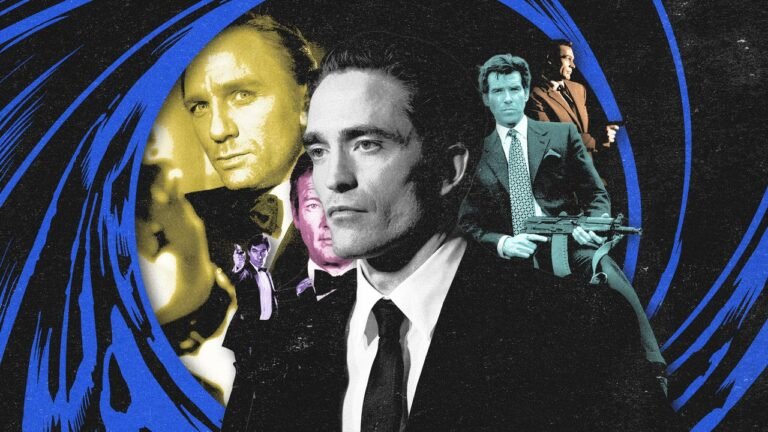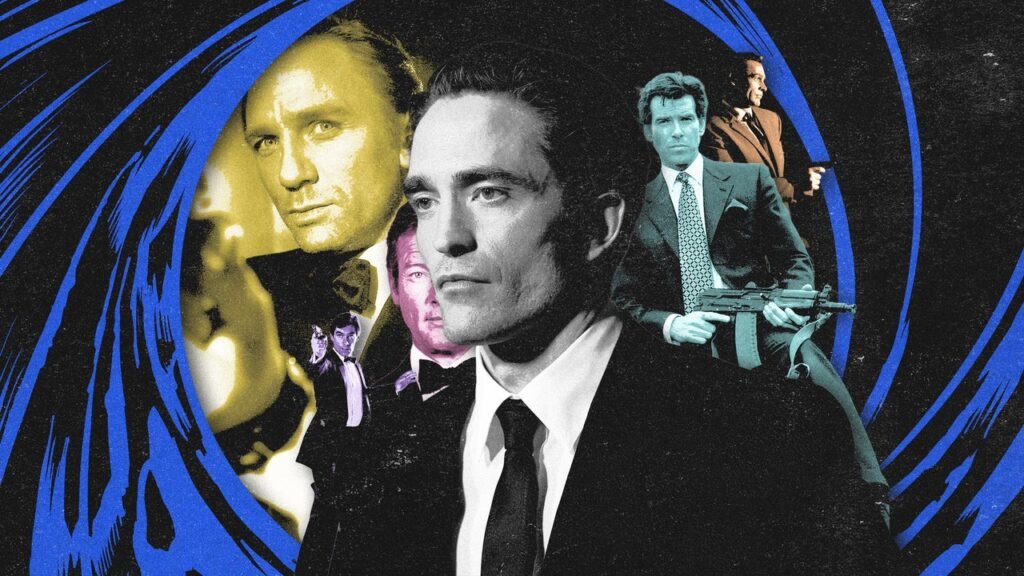
The greatest strength of the James Bond brand isn’t its consistency. It’s its ability to reinvent itself while remaining unmistakably Bond.
With Robert Pattinson confirmed as the next 007, the debate has inevitably turned to whether he’s the right man for the role. But I think there’s a much more interesting question. What should Bond represent today?
The best brands know when to change
James Bond has never stood still. Ian Fleming’s original character was ruthless, brutal, and considerably less glamorous than the sophisticated figure we’ve come to recognize.
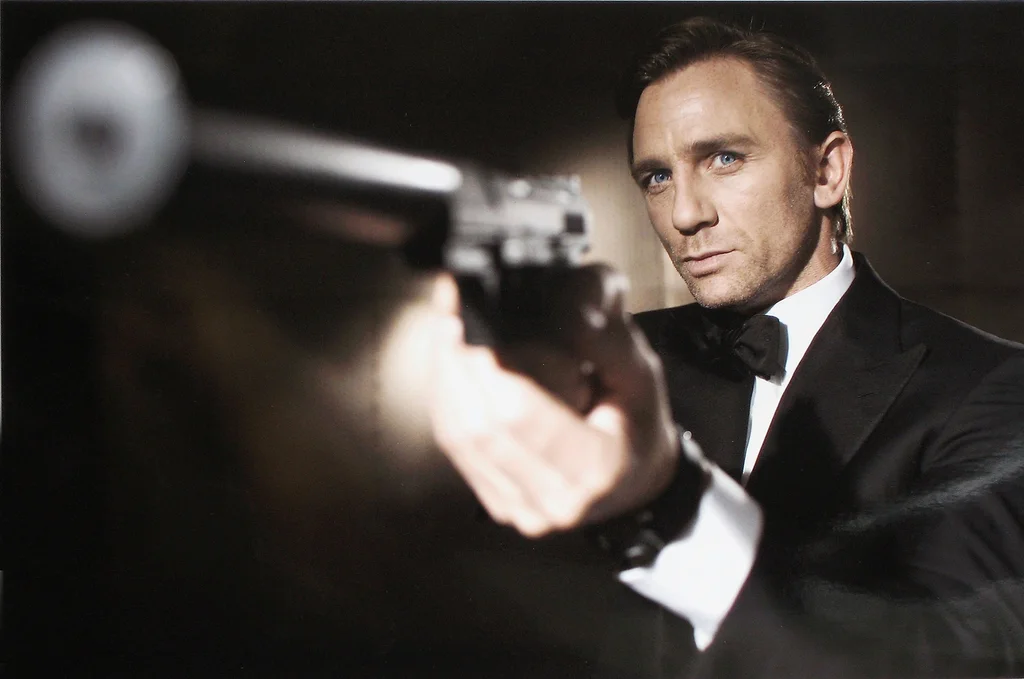
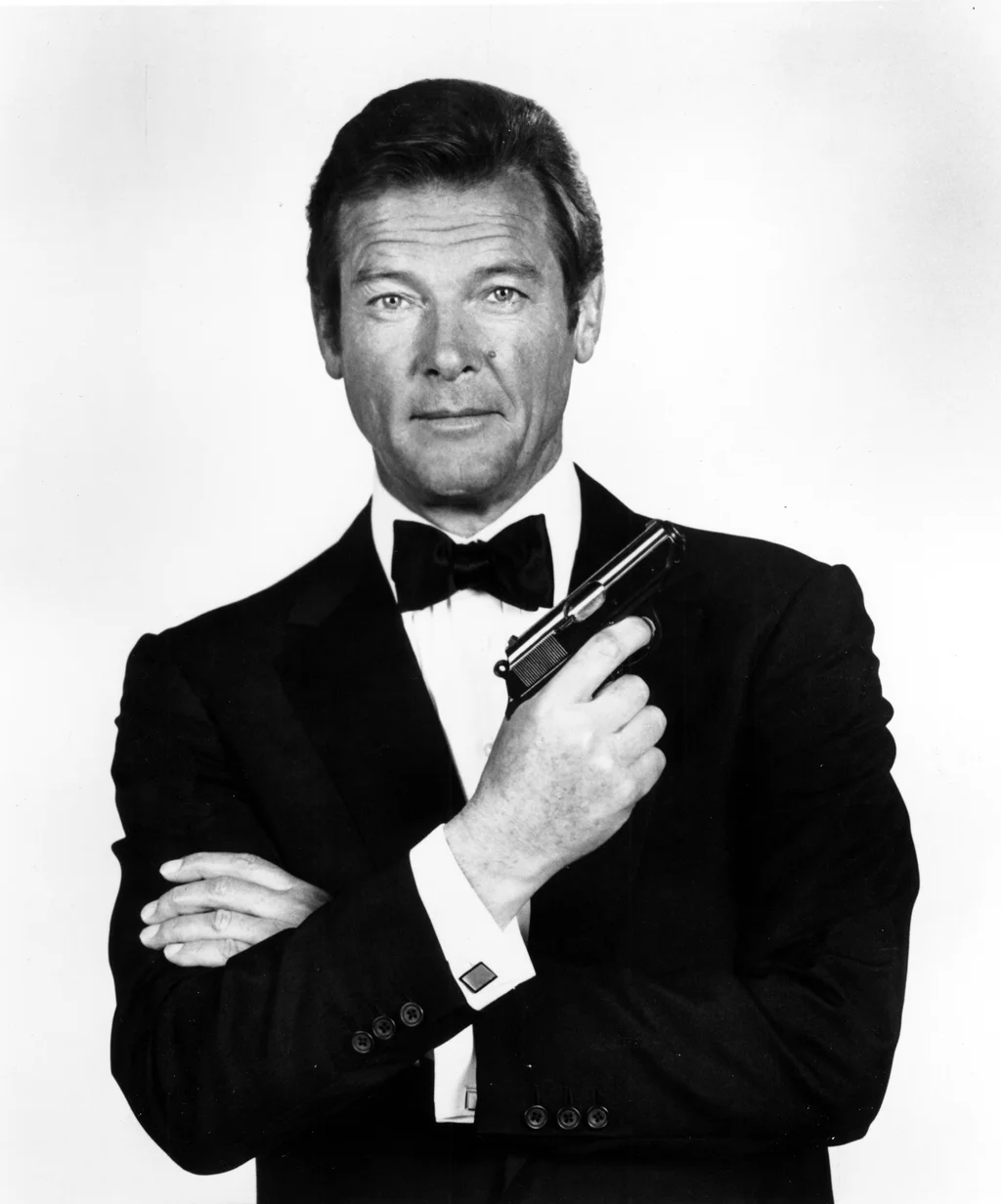
Every generation has reinvented him. Sean Connery brought a working-class edge to an establishment character. Roger Moore introduced humor and extravagance. Pierce Brosnan was polished, almost to the point of parody. And Daniel Craig stripped much of that away, giving us a more grounded, vulnerable, and human Bond.
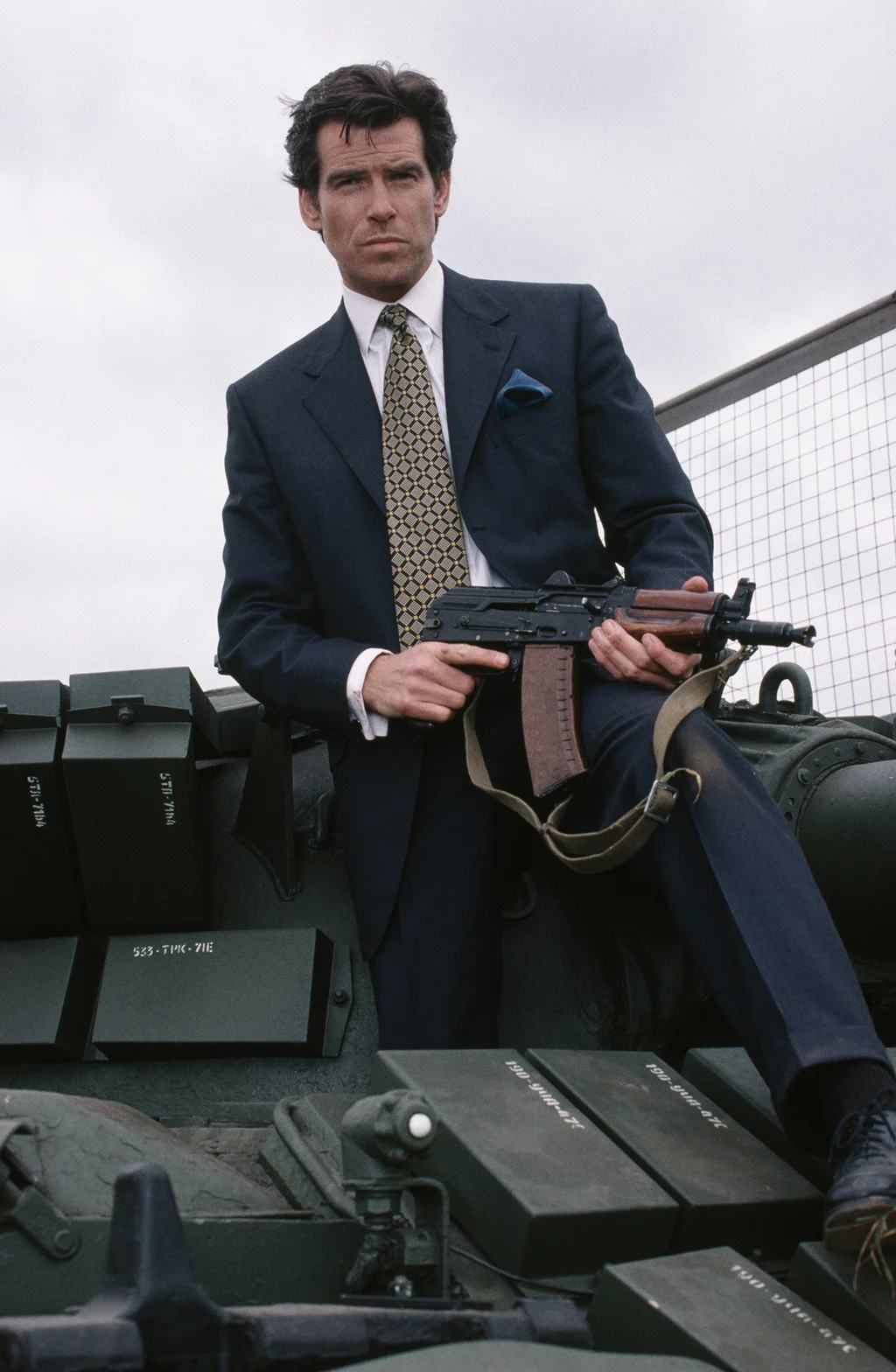
The shift from Brosnan to Craig was striking. It challenged what audiences expected from Bond, and arguably made him more relevant.
That’s something iconic brands often struggle with. They become so protective of their heritage that they forget what made them successful in the first place.
Heritage should give brands the confidence to move forward, not make them a museum to the past.
Recognizable doesn’t mean unchanged
James Bond has an extraordinary collection of brand assets. The cars and gadgets, the suits and theme music, the villains and their lairs, the martini order and the gun-barrel opening.
But none of these is Bond on its own. The franchise has continually reinterpreted these elements to reflect changing ideas of technology, sophistication, and masculinity, without losing its identity.
Bond’s gadgets are a perfect example. By the Brosnan era, a fascination with gadgets had become full-blown fantasy, epitomized by the invisible Aston Martin in Die Another Day. Craig’s Bond, meanwhile, marked a return to practicality, with his biometrically locked pistol in Skyfall. Throughout, the underlying idea remained the same: Bond could rely on Q to give him a technological edge. It was the interpretation of that that changed, not its importance.

Take the villains, for example. They’ve often reflected the feeling of their time. The Cold War shaped films like From Russia With Love, while Skyfall explored the threat of cyberterrorism and the vulnerability of intelligence systems. The threats changed, but the role they played in making Bond relevant remained the same.
The franchise’s relationship with sexual politics has evolved, too. Compare Honey Ryder’s famous emergence from the sea in Dr. No with Daniel Craig’s in Casino Royale. Romantic conquests with absurd names, over time, became professional equals like Nomi. When Judi Dench’s M dismissed Bond as a “sexist, misogynist dinosaur” in GoldenEye, it was an early recognition that even 007’s most established behaviors could be challenged as cultural expectations evolved.
Heritage is a starting point, not a constraint
Louis Vuitton is a good example of a brand that understands this distinction. Founded as a trunk maker in 1854, it could have become increasingly irrelevant as the nature of travel changed. Instead, it expanded into handbags, fashion, and accessories while retaining its association with craftsmanship, luxury, and the romance of travel.

Its original purpose has evolved, but the brand continues to draw on its travel heritage through its products, visual identity, campaigns, and experiences. Its distinctive monogram, originally developed for its luggage, has become one of the most recognizable symbols in luxury. Louis Vuitton didn’t need to keep making trunks its primary business to remain Louis Vuitton. It understood what made the brand valuable and found new ways to express it.
That’s the difference between being recognizable and being relevant. The best brands understand that you can protect what makes you distinctive without preserving everything exactly as it was.
What kind of Britain does Bond represent now?
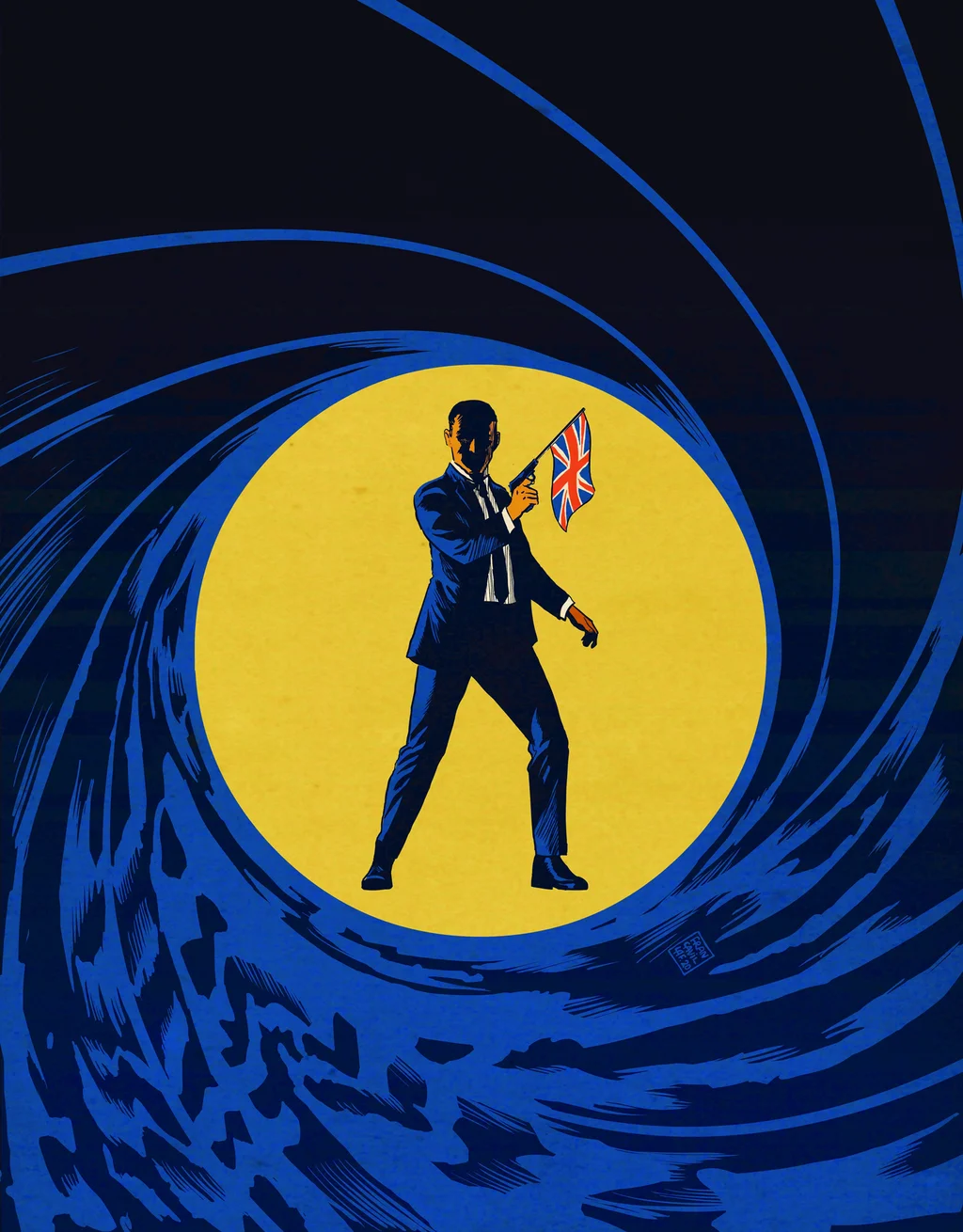
James Bond has always been more than a film franchise. He’s one of Britain’s most recognizable cultural exports, shaping how the country is perceived around the world.
One of the best examples was the London 2012 Olympics opening ceremony, when Daniel Craig’s Bond appeared alongside Queen Elizabeth II. It was a brilliant moment that captured a particular version of Britain: confident, creative, playful, and comfortable enough with its heritage to laugh at itself.
But Britain today is a very different place: Brexit, the transition from queen to king, economic pressures, and growing questions about class and national identity have all changed the cultural landscape.
Which makes Pattinson’s casting particularly interesting.
Connery and Craig brought a grittier, more grounded quality to Bond. Pattinson comes from a more privileged background, raising the question of whether the franchise is returning to a more traditional, establishment view of Britishness.
Of course, an actor’s upbringing doesn’t determine the character he plays. But casting is a creative choice that can signal what a brand wants to represent.
At a time when many people feel increasingly disconnected from the establishment, what kind of Bond will feel relevant? And what version of Britain do we want to project to the world?

Reinvention is about relevance
The challenge for Pattinson, director Denis Villeneuve, and Amazon MGM Studios isn’t simply to make another successful James Bond film. It’s to decide what should remain, what needs to change, and what Bond means to a new generation. Because the greatest risk for an iconic brand isn’t changing too much. It’s becoming so protective of its past that it stops being relevant to the future.