The tech world relishes a good founder story. These figures are often young college dropouts with minimalist wardrobes, obsessive behaviors, and eccentric (and often flat out bizarre) tendencies—perfect objects of fascination.
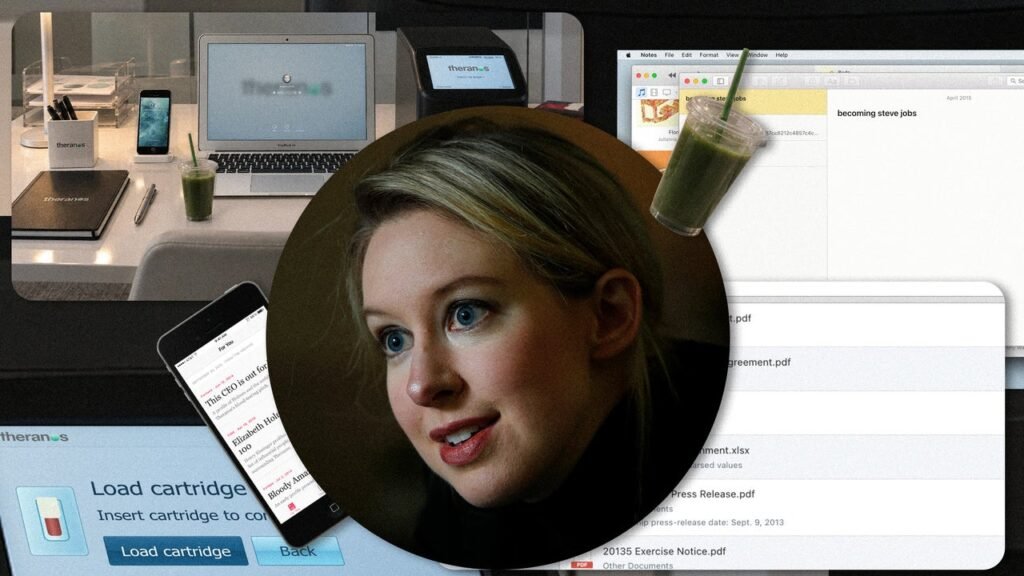
But few sagas have captivated audiences quite as intensely as that of Theranos founder Elizabeth Holmes. The wide-eyed CEO promised a world of needleless blood tests, yet delivered little more than a persona consisting of Steve Jobs-inspired outfits and an unnaturally deep voice.
She is now back in the spotlight. A highly anticipated Nathan Fielder documentary revisiting Holmes’s case hits theaters on Oct. 16, teasing an uncensored look at her inner world. Just ahead of the film’s release, a new website is aspiring to do the same, giving users a glimpse at the very space where the fraud happened: Holmes’s desk.
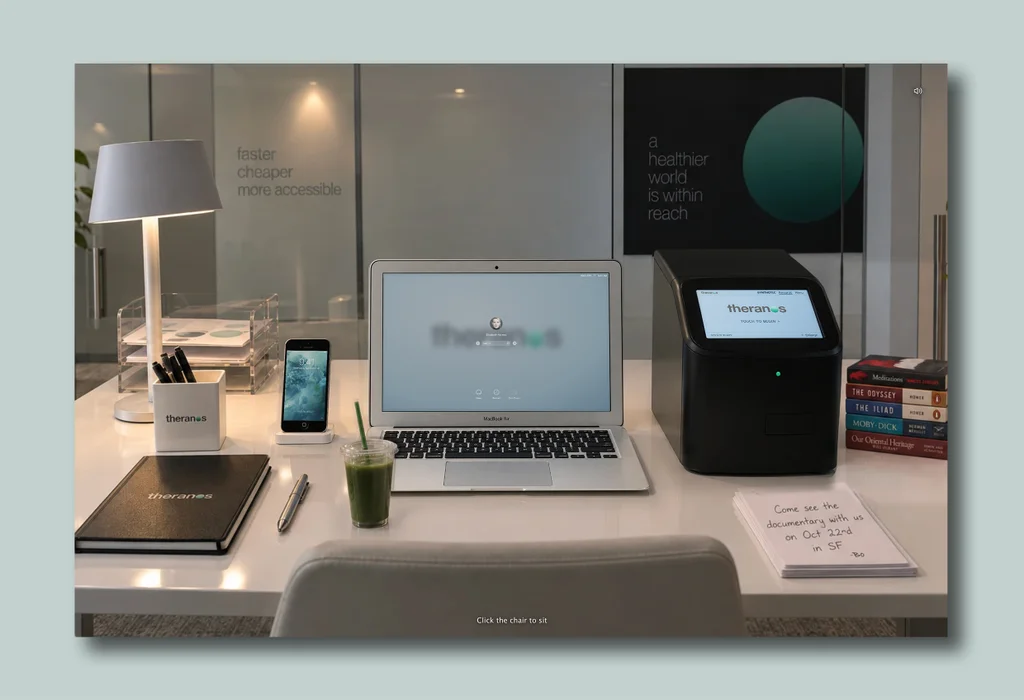
Titled Theranos.World, the website transports users into Holmes’s glass-enclosed office within the Theranos headquarters. It simulates a view from behind her modern white desk, complete with motivational corporate posters like “a healthier world is within reach” and Theranos’s circular logo adorning the walls.
The project’s essence is similar to Jmail, which made thousands of Epstein emails available to read in a more user-friendly format. Theranos.World offers some of the same. But for the site’s designer, the software engineer Bo Lau, building an interactive platform is more about the love of the game: showcasing how technologies like AI can help anyone create highly detailed interactive worlds that would’ve taken months or years to build by hand.
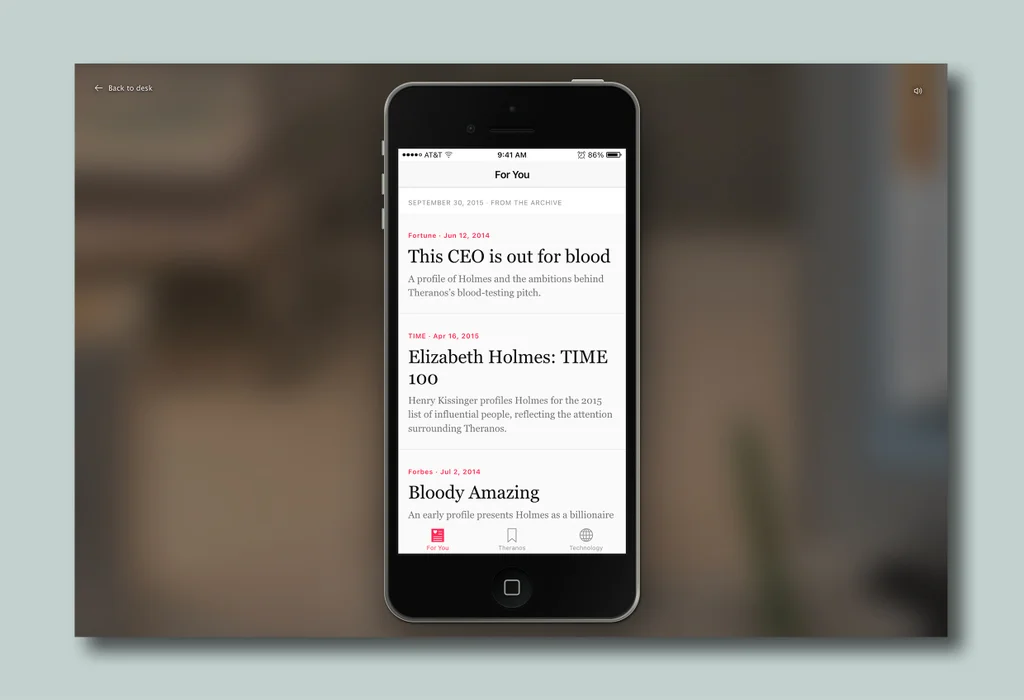
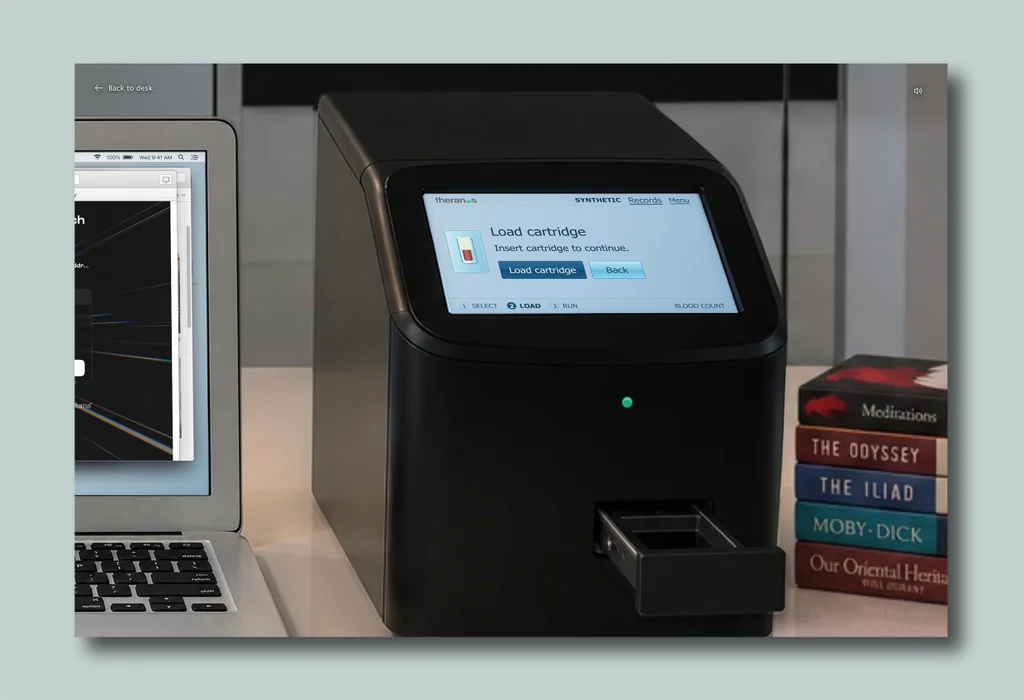
The desk is crammed with objects from Holmes’s tenure as a founder. There’s a MacBook Air and an iPhone, an Edison machine (the device that was supposed to test blood), a stack of books including The Odyssey and Moby Dick, and branded company swag.
Lau, who currently leads developer relations at AI document processing platform Extend, began the project with a social media post.
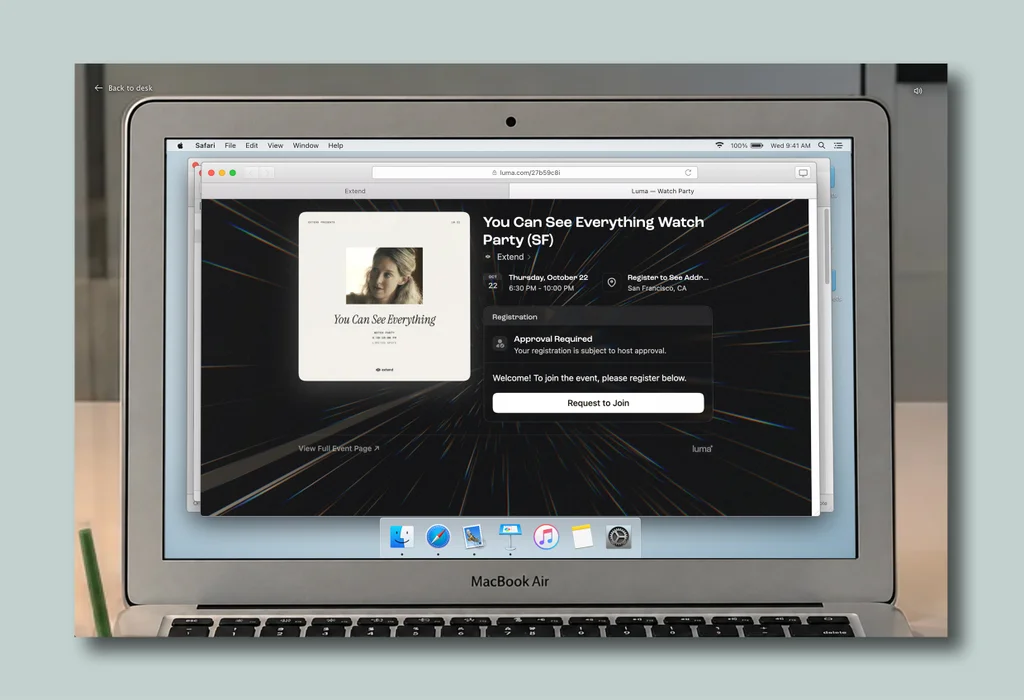
“Would anyone be down if i hosted a private screening of the nathan fielder elizabeth holmes documentary in nyc,” she wrote on X. The post received almost 20,000 views, which led her to wonder if she could turn the idea into a work-related endeavor in order to expense it.
As the post gained more and more engagement, a member of the growth team at Extend encouraged her to make the idea a reality.
“He slacked me and said, ‘You should totally actually do this,’” she tells Fast Company. She queried, “Do you think they’ll give me money to actually rent out a theater?” to which he replied with a simple “Of course.”
With thousands of applicants, Lau managed to secure two venues in San Francisco and New York, screening the documentary a day before its release to the public.
But she knew she could somehow connect the event to Extend beyond just the tech world’s interest in Holmes’ story. She came up with the idea of recreating Holmes’s office with interactive elements developed using her AI company’s technology.
Struggling to find many original photos of Holmes’s actual office, Lau relied on screengrabs from Hulu’s The Dropout, a show about the Theranos case, to inform the virtual office’s design.
“It’s a Hulu show so I assumed they tried to make it as accurate as possible, so then I was just gonna take inspiration from that since it’s readily available,” she explains.
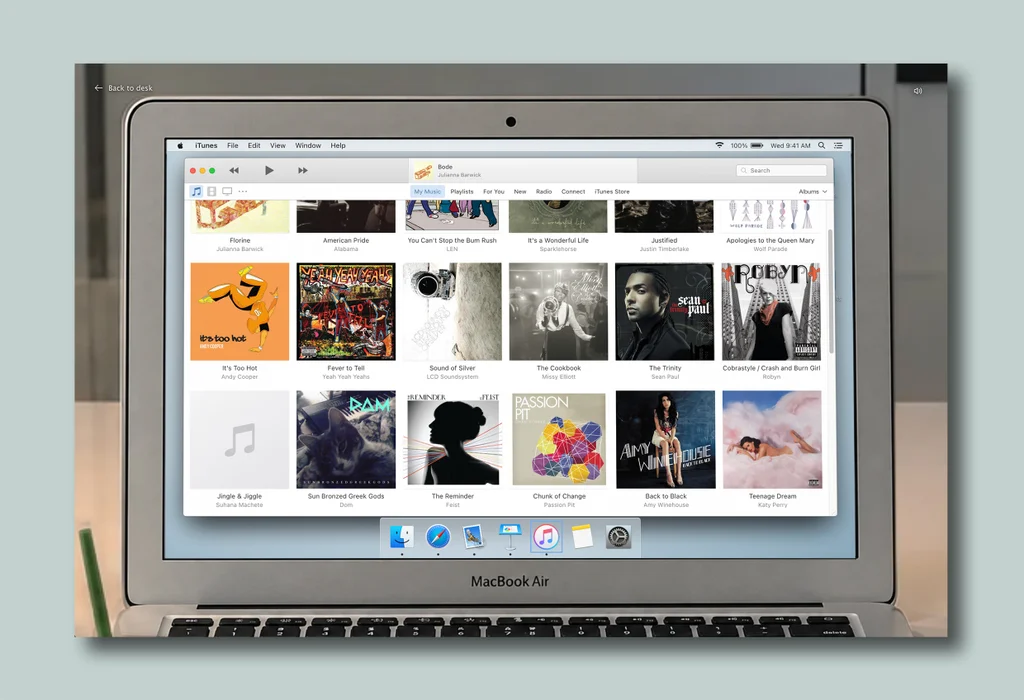
She then listened to podcasts and articles to understand how Holmes behaved in the office. Think of the scenes in The Dropout where she chugged down green juices and danced around to rap music. These small elements made their way to Lau’s rendition of her desk—there’s a green juice users can click on to “sip” and a playlist with music from that time.
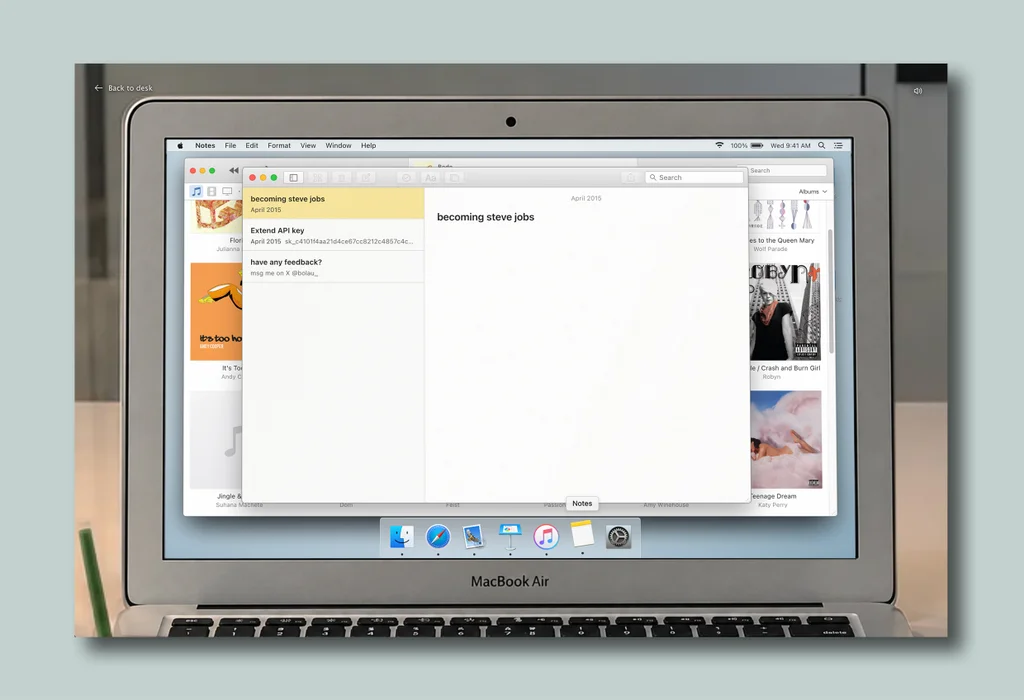
The result is a remarkably detailed interactive experience. Users can snoop through her laptop and read her email, unlock her iPhone and scroll through her messages with Sunny Balwani, her partner and Theranos COO. The Holmes-inspired playlist was curated by Lau, featuring songs from the show’s soundtrack along with rap songs from the mid 2000s, which Holmes notably enjoyed.
To build the site, which took just three days, Lau used Exempt AI agents to download all the Theranos documents that are publicly available. This step alone took hours because of the sheer amount of data, Lau says.
Then she used Instinct (an AI agent you can text) to find images of Holmes’s offices and popular songs of the time. Once all the materials were gathered, she used Cursor and OpenAI’s latest frontier model GPT-6 Astra set to the highest effort available to generate the designs and deploy the website.
“I just used the most expensive model because like I have, like, a work-paid account, so I’m like might as well make it more efficient,” Lau says.
Beyond being a fun creative exercise for Lau—who has in the past built other satirical websites, like one that provided feedback for Hinge profiles—the deep dive into Holmes’s universe also shone a light on some of the more toxic aspects of the tech world.
“VCs really idolize like super-young founders and that puts a lot of pressure on young people,” she says. “I think when she started Theranos, she was like nineteen. Like her frontal lobe was like very far from being developed.”